


What makes Argentina so fascinating? It is home to one of the world’s highest mountains, breathtaking waterfalls, passionate football fans, and a culture unlike any other. But there is much more to this South American country than tango and football.
From unusual traditions to surprising geographical facts, Argentina has plenty of stories worth discovering. These interesting facts about Argentina will take you through its history, wildlife, food, sports, and famous landmarks.
Whether you are exploring the country for the first time or simply curious about its culture, these facts will reveal some things you may not know.

Quick Facts About Argentina
Before exploring its history, culture, and natural wonders, here is a quick overview of Argentina.
| Category | Information |
| Official Name | Argentine Republic |
| Capital City | Buenos Aires |
| Continent | South America |
| Main Language | Spanish |
| Currency | Argentine Peso (ARS) |
| Population | Approximately 46.0 million (2026 estimate) |
| Area | Approximately 2.8 million km² |
| Number of Provinces | 23 |
| National Flower | Ceibo |
| National Bird | Rufous Hornero |
| National Tree | Red Quebracho |
| National Sport | Pato |
| National Infusion | Mate |
| National Drink | Wine |
| Highest Mountain | Aconcagua |
| Country Calling Code | +54 |
30 Interesting Facts About Argentina
These interesting facts about Argentina reveal what makes the country so unique.
Largest Spanish-Speaking Country
Argentina holds a remarkable geographical distinction. It is the largest country in the world where Spanish is the predominant official language. Its continental territory covers approximately 2.8 million square kilometers. This enormous size gives the country a wide range of climates, environments, and regional lifestyles.
23 Provinces and One Autonomous Capital
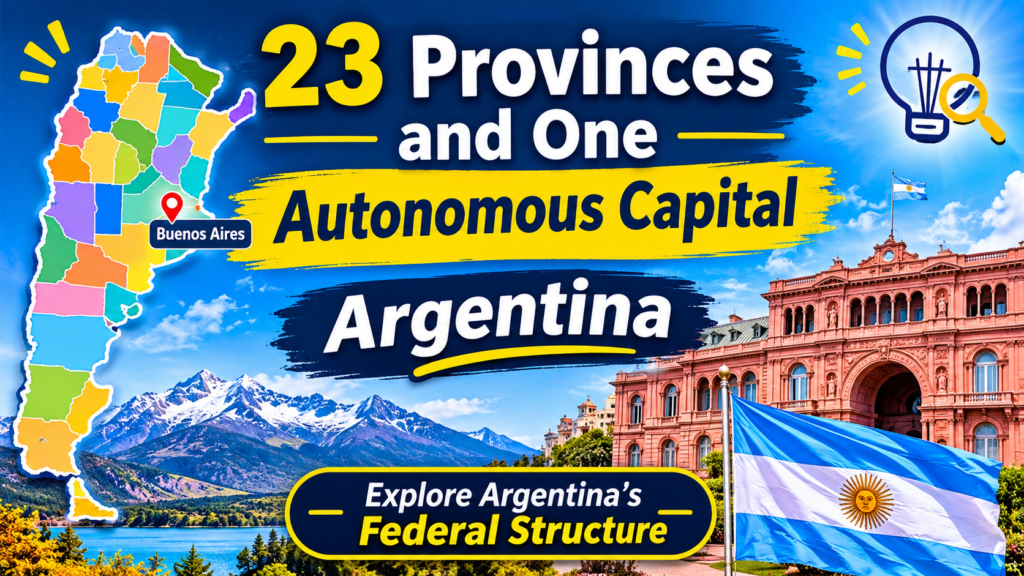
Argentina has 23 provinces and one autonomous capital, Buenos Aires. Each province has its own government and local identity. Together, they form a federal country where different regions maintain their own traditions, customs, and cultural heritage.
Highest Mountain Outside Asia
Standing approximately 6,961 meters above sea level, Aconcagua is the highest mountain in the Americas. It rises in the Andes within Mendoza Province and attracts experienced climbers from across the world. Its impressive height makes it one of the most famous natural wonders of South America.
Stretches From North to South
Argentina is one of the longest countries in the world when measured from north to south. Its territory extends from subtropical areas in the north to the cold landscapes of Patagonia. This enormous distance creates striking differences in weather, vegetation, and everyday life.
Seasons Are Opposite to Those in the USA
Argentina lies in the Southern Hemisphere, so its seasons follow a different calendar from those in the United States. Summer generally lasts from December to February, while winter runs from June to August. This seasonal difference is important for travelers planning holidays between the two countries.
The Name Comes From Latin
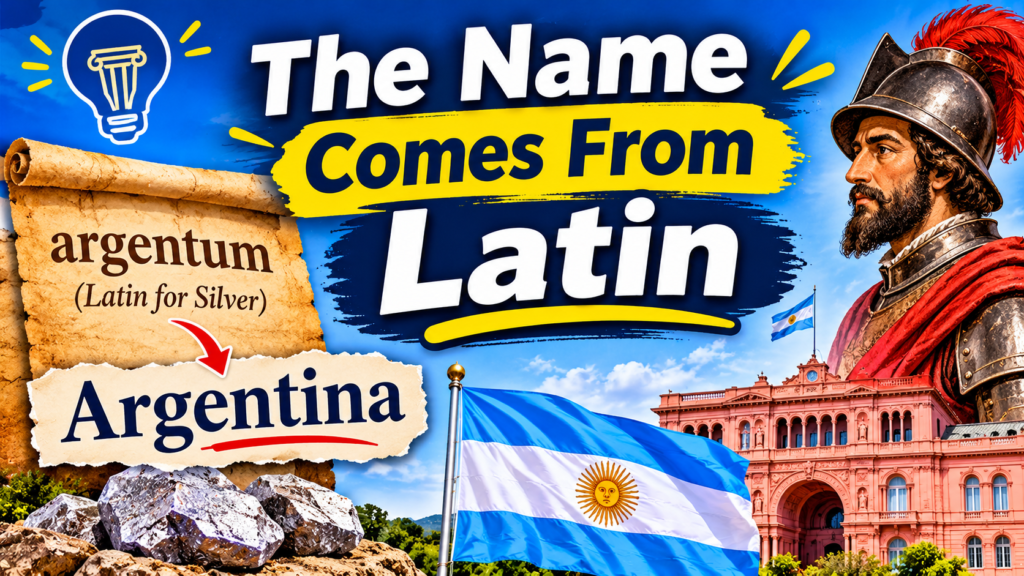
The name Argentina comes from argentum, the Latin word for silver. Early European explorers connected the region with stories about silver and other valuable resources. Over time, the name became part of the country’s identity and reflected its colonial history.
Tango Originated in Buenos Aires and Montevideo
Tango emerged in the Río de la Plata region during the late nineteenth century. Immigrant communities and working-class neighborhoods helped shape its music, rhythm, and dance style. Today, tango remains one of Argentina’s most recognizable cultural traditions and an important part of its artistic heritage.
Mate Is a Traditional Drink
Mate is an herbal infusion prepared from dried yerba mate leaves and hot water. People usually serve it in a small container called a mate and drink it through a metal straw known as a bombilla. Sharing mate is a familiar social custom that represents friendship, hospitality, and connection.
Creation of the Argentine Flag
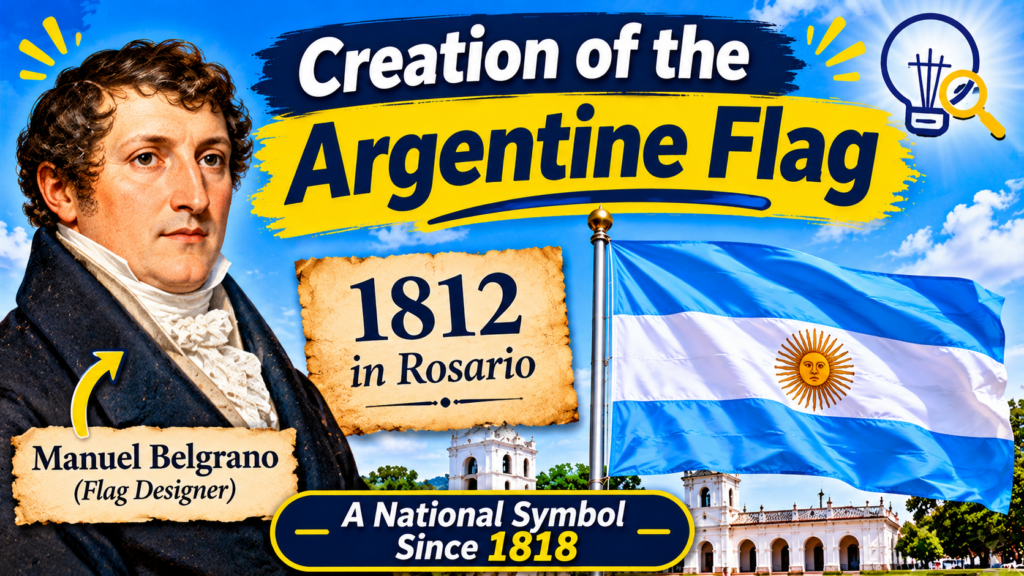
Manuel Belgrano designed the Argentine flag in 1812 and first raised it in the city of Rosario. Its three horizontal stripes feature two light-blue sections and a white center. The golden Sun of May was added to the flag’s central stripe in 1818, becoming another important national symbol.
Independence Day
Argentina declared its independence from Spanish rule on July 9, 1816. The declaration took place in San Miguel de Tucumán during a meeting of representatives from the United Provinces of South America. Today, people mark the occasion with patriotic ceremonies, cultural activities, and national celebrations.
Iguazu Falls Has Hundreds of Waterfalls
Located along the border between Argentina and Brazil, Iguazu Falls is one of the world’s most impressive waterfall systems. It consists of approximately 275 individual waterfalls and cascades spread across a wide area. The famous Devil’s Throat section is especially powerful and creates an unforgettable natural spectacle.
Patagonia Is Known for Its Glaciers
Patagonia is a vast region shared by Argentina and Chile. Its Argentine side features dramatic mountains, enormous lakes, forests, and remarkable ice formations. One of its best-known attractions is Perito Moreno Glacier in Los Glaciares National Park, where visitors can sometimes watch large pieces of ice break away into the water.
Ushuaia Is a Southern City
Ushuaia is the capital of Tierra del Fuego Province and sits beside the Beagle Channel. Surrounded by mountains and water, it offers some of the country’s most striking scenery. Its southern location also makes it an important departure point for many Antarctic expeditions.
Important Agricultural Grasslands
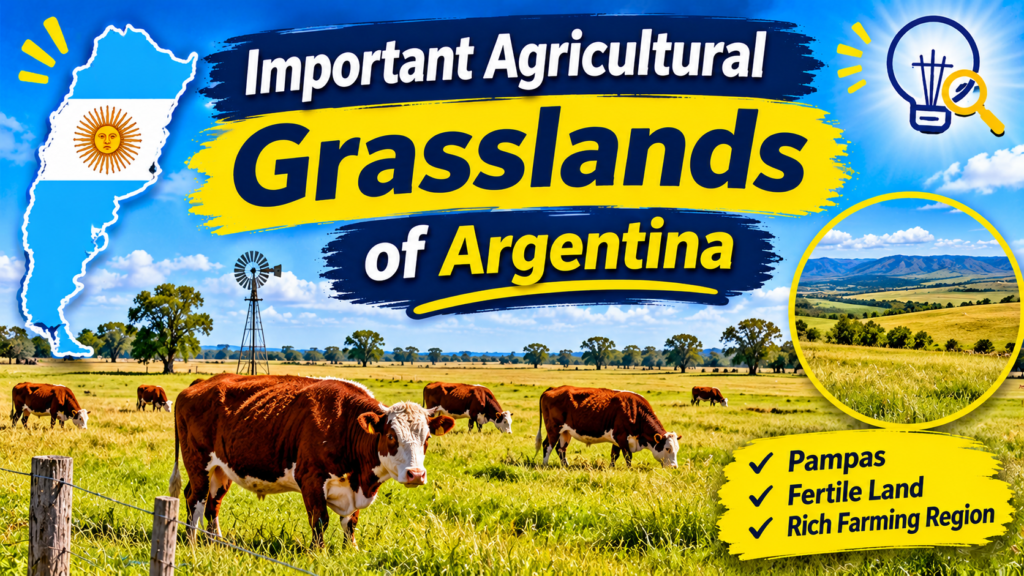
The Pampas are extensive, fertile grasslands that cover much of central Argentina. Their productive soil supports large-scale agriculture and livestock farming. These open plains have also shaped traditional rural life, particularly the history and customs of the Argentine gauchos.
Among these interesting facts about Argentina is its remarkable range of landscapes.
Argentina’s National Football Team
Football is deeply connected to Argentina’s national identity. The men’s national team has won the FIFA World Cup three times: in 1978, 1986, and 2022. Legendary players such as Diego Maradona and Lionel Messi have helped make Argentine football famous around the world.
Argentina’s National Sport
Football may receive most of the attention, but Argentina’s official national sport is actually pato. This traditional equestrian game combines horseback riding with elements of basketball. Players ride horses while trying to throw a ball through a high-mounted hoop, making it a distinctive part of gaucho sporting culture.
The Ceibo Flower
The ceibo is a flowering tree known for its striking red blossoms. It grows naturally in parts of South America, including areas along Argentina’s Paraná and Río de la Plata rivers. Argentina officially declared the ceibo its national flower in 1942, making it an important symbol of the country’s natural heritage.
The Rufous Hornero
The rufous hornero is a small brown bird recognized for building unusual oven-shaped nests from mud and plant materials. It is found across much of Argentina and is well known for its distinctive call. Its remarkable nest-building ability helped make it a national symbol.
The Iberá Wetlands Support Remarkable Wildlife
The Iberá Wetlands in Corrientes Province form an enormous network of marshes, lagoons, and floating vegetation. This diverse ecosystem provides a habitat for capybaras, caimans, marsh deer, and numerous bird species. It is also an important destination for wildlife conservation and nature tourism.
Valdés Peninsula Wildlife
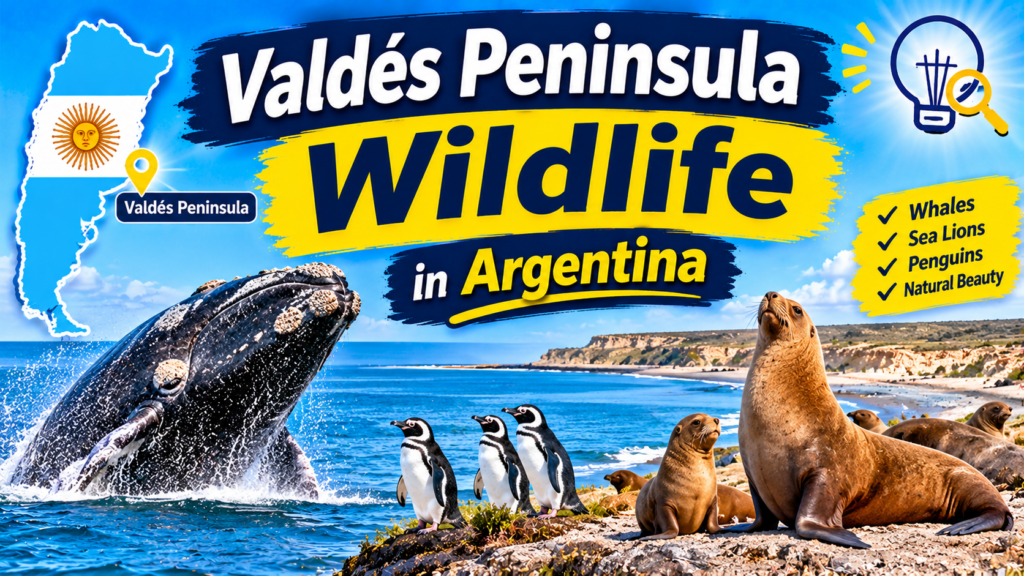
Located along Argentina’s Atlantic coast, the Valdés Peninsula is an important habitat for marine animals. Southern right whales visit its surrounding waters to breed and raise their young. Visitors may also see sea lions, elephant seals, and penguins, making the area a remarkable destination for wildlife enthusiasts.
Argentina’s Famous Salt Flats
Salinas Grandes is an enormous salt flat in northwestern Argentina, mainly within Jujuy and Salta provinces. Its bright white surface creates a striking landscape, especially under a clear blue sky. Traditional salt extraction also remains part of the region’s local economy and history.
UNESCO World Heritage Site
Quebrada de Humahuaca is a spectacular mountain valley in Jujuy Province. Its colorful hills, historic settlements, and ancient trade routes reflect centuries of cultural exchange. UNESCO added the area to its World Heritage List in 2003 because of its exceptional historical and cultural importance.
Mendoza and Malbec Wine
Mendoza is internationally recognized for its vineyards and wine production. Located near the Andes Mountains, the region benefits from high-altitude growing conditions and a dry climate. Its Malbec wine has become closely associated with Argentina and attracts wine lovers from around the world.
Buenos Aires Has a World-Famous Opera House

Teatro Colón is one of the most celebrated opera houses in the world. Located in Buenos Aires, it is admired for its impressive architecture and exceptional acoustics. The theater hosts opera, ballet, and classical music performances, making it an important part of Argentina’s cultural scene.
European Influence on Argentine Culture
Large waves of immigrants arrived in Argentina from Italy, Spain, and other European countries during the nineteenth and twentieth centuries. Their influence remains visible in the country’s architecture, food, family customs, and language. Indigenous communities and other cultural traditions also remain essential parts of Argentina’s national identity.
Traditional Argentine Dish
Locro is a thick, hearty stew commonly prepared with corn, beans, squash, and different types of meat. It is especially popular during national celebrations and colder months. Recipes vary between regions and families, making it a meaningful part of Argentina’s traditional food culture.
Lowest Point in South America
Laguna del Carbón, located in Santa Cruz Province, lies approximately 105 meters below sea level. It is recognized as the lowest point in South America and the Western Hemisphere. This unusual geographical feature creates a remarkable contrast with the towering peaks of the Andes Mountains.
Magellanic Penguins in Southern Argentina
Argentina’s southern coastline is home to large colonies of Magellanic penguins. Punta Tombo in Chubut Province is particularly famous for its breeding colony. During the breeding season, visitors can observe these birds nesting, walking across the landscape, and caring for their chicks.
Spanish Has a Distinctive Accent

Spanish is spoken throughout Argentina, but the local accent has some noticeable differences. In the Buenos Aires region, the letters ll and y often have a pronunciation that sounds different from Spanish spoken in many other countries. The use of vos instead of tú is another distinctive feature of everyday speech.
Argentina’s National Tree
The red quebracho is recognized as Argentina’s national tree. It grows in northern parts of the country and is known for its exceptionally hard wood. Historically, its wood and tannin-rich bark were important materials for local industries, giving the tree both economic and cultural significance.
Frequently Asked Questions About Argentina
What Is Argentina Most Famous For?
Argentina is famous for tango, football, Malbec wine, traditional asado, and breathtaking landscapes. The country is also known for its rich cultural heritage, passionate sporting traditions, and natural attractions such as Iguazu Falls and Patagonia.
What Is the Capital of Argentina?
Buenos Aires is the capital and largest city of Argentina. It is known for its European-influenced architecture, historic neighborhoods, theaters, cafés, and lively cultural scene.
What Language Do People Speak in Argentina?
Spanish is the main language spoken in Argentina. However, Argentine Spanish has distinctive vocabulary and pronunciation, particularly in the Buenos Aires region.
What Is the Highest Mountain in Argentina?
Aconcagua is the highest mountain in Argentina and the Americas. It reaches approximately 6,961 meters above sea level and attracts experienced mountaineers from around the world.
What Is Argentina’s National Sport?
Pato is Argentina’s official national sport. It is a traditional equestrian game in which players ride horses and attempt to throw a ball through a raised hoop.
What Is Argentina’s National Drink?
Wine is recognized as Argentina’s national drink, while mate is its traditional national infusion. Mate is prepared using yerba mate leaves and hot water and is commonly shared among friends and family.
Final Thoughts
Argentina is a country where geographical extremes, fascinating traditions, and sporting achievements come together. From the icy landscapes of Patagonia to the lively streets of Buenos Aires, every region offers something different. These 30 facts provide a glimpse into its history, culture, wildlife, and everyday customs. Exploring these details makes it easier to appreciate why Argentina holds such a distinctive place in South America.
We hope these interesting facts about Argentina helped you learn more about the country.
