

Growing up is an amazing journey filled with discovery, learning, and unexpected experiences. From the way young minds develop to how little ones understand the world, every stage of childhood brings something fascinating. Many interesting facts about children reveal how their brains, bodies, emotions, and personalities change over time.
Some learn through play, while others discover new things by asking questions, observing people, and exploring their surroundings.
These everyday experiences help shape their understanding, abilities, and confidence. Whether you are a parent, teacher, student, or simply curious about human development, these 50 interesting facts will help you discover what makes childhood such a remarkable stage of life.
Quick Facts About Children
| Topic | Interesting Detail |
|---|---|
| Brain development | Early experiences help shape brain development |
| Learning | Young minds learn through exploration and practice |
| Communication | Babies communicate before speaking |
| Memory | Repetition helps with remembering information |
| Emotions | Managing feelings develops gradually |
| Physical growth | Movement skills improve through practice |
| Creativity | Pretend play encourages imagination |
| Social skills | Interaction helps develop relationships |
How Young Minds Develop
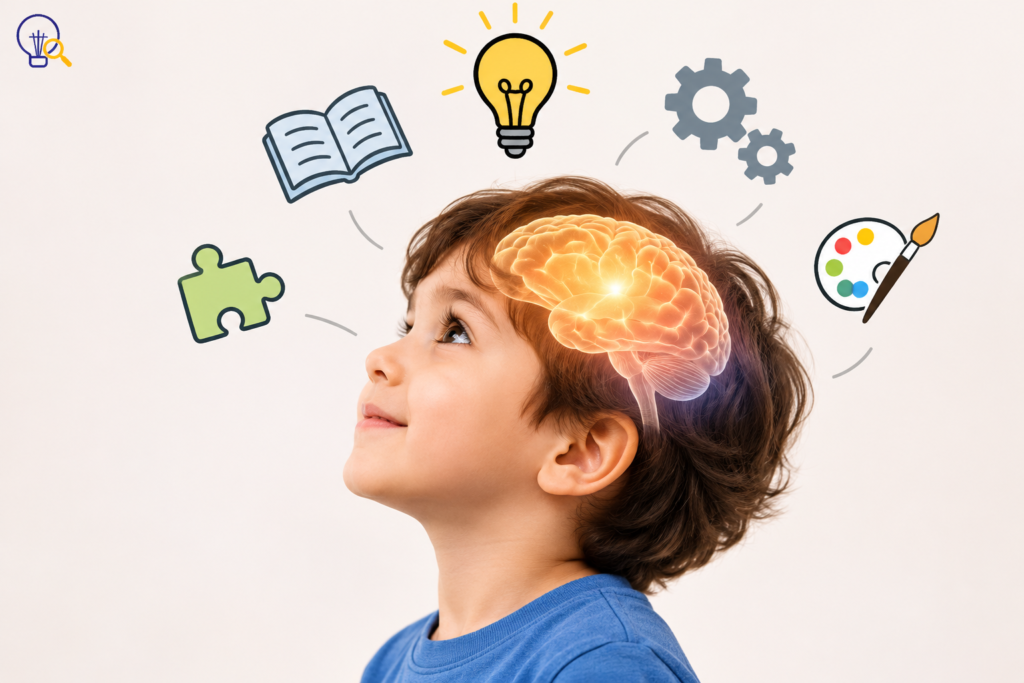
The early years are an important period for brain development. Everyday experiences, relationships, and opportunities to explore contribute to how little ones think, learn, and understand the world.
The Brain Develops Rapidly During Early Childhood
The early years are an important period for brain development. During this time, the brain builds and strengthens connections that support thinking, communication, movement, and emotions. Everyday experiences and interactions help shape these connections and support future learning.
Loving Relationships Support Brain Development
Warm and responsive relationships with parents and caregivers help young minds develop. When adults respond to a baby’s sounds, expressions, and gestures, they create valuable opportunities for learning, communication, and emotional connection.
Babies Learn Before They Can Speak
Babies do not need words to begin learning. They observe faces, recognize familiar voices, respond to sounds, and explore objects around them. These early experiences help prepare them for later communication and language development.
Repetition Helps the Brain Learn New Skills
Repeating activities helps little learners practise new skills and strengthen the connections involved in learning. For example, a toddler may need to stack blocks several times before becoming comfortable balancing them. With practice, these activities gradually become easier.
Young Kids Are Naturally Curious About Their Surroundings
Little ones often explore objects by touching, looking, listening, and sometimes putting safe objects in their mouths. This curiosity helps them discover how things work and understand their environment. Everyday exploration also provides opportunities to learn through experience.
Early Experiences Influence Brain Development
Everyday experiences contribute to brain development. Talking, reading, playing, and receiving responsive care provide opportunities to build important skills. Positive interactions during childhood can support learning, communication, and emotional development.
Problem-Solving Skills Grow Through Practice
Young learners develop problem-solving abilities by trying different approaches. A toddler who struggles to fit a toy into a container may turn it around, change its position, and try again. These small challenges encourage experimentation and independent thinking.
Kids Can Learn Through Observation
Youngsters often watch adults and older kids before attempting something themselves. They may copy how someone uses a spoon, puts away toys, or performs a household task. Observing others helps them understand new activities and develop everyday skills.
Sleep Supports Learning and Development
Sleep is important for physical and mental development. Adequate rest supports attention, memory, mood, and overall well-being. Sleep needs vary according to age, and maintaining healthy sleep routines can help children get the rest they need.
Every Kid Develops at Their Own Pace
Not everyone learns the same skill at exactly the same age. Developmental milestones describe skills that most kids can perform by certain ages, but individual progress can vary. Every child has a unique pattern of growth and development.
How Kids Learn and Remember
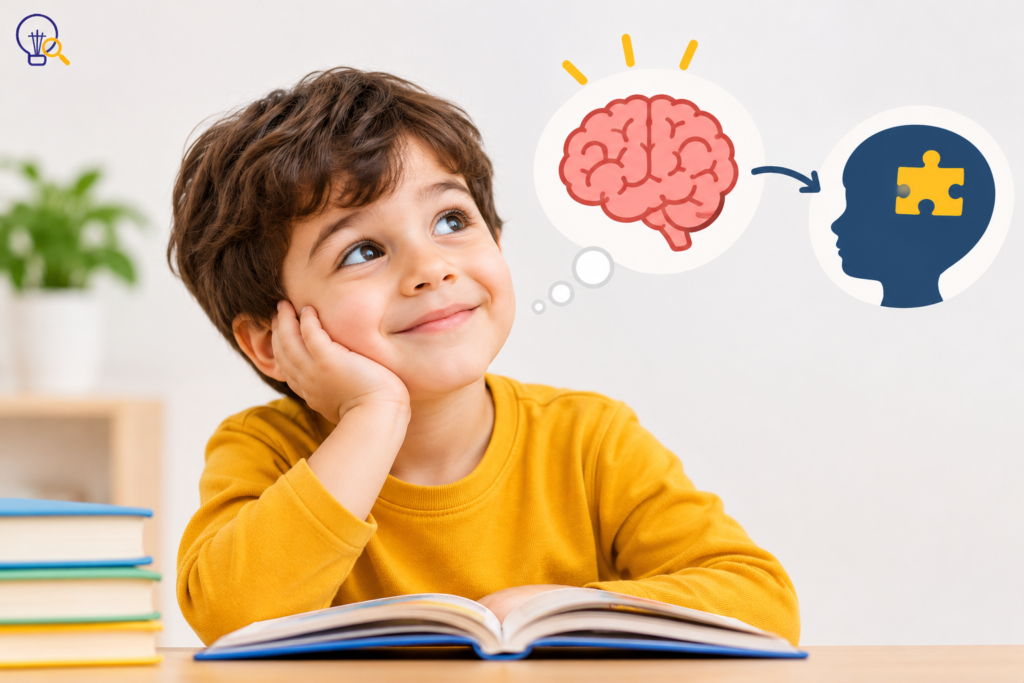
Learning is one of the most interesting parts of growing up. Young minds gain knowledge through books, conversations, games, questions, and everyday experiences. These facts explain how learning abilities develop and how different activities support children’s understanding.
Play Is an Important Part of Learning
Play is more than entertainment. It gives little learners opportunities to explore ideas, solve problems, practise communication, and develop physical skills. Different types of play support different areas of development and make learning enjoyable.
Reading Stories Helps Develop Language Skills
Listening to stories introduces young readers to new words, sentence structures, and ideas. Reading together also creates opportunities to ask questions and discuss characters, events, and feelings. Regular storytime can help develop vocabulary and listening skills.
Hands-On Activities Make Learning More Engaging
Practical activities allow little ones to explore concepts instead of simply hearing about them. Building with blocks, sorting objects, drawing pictures, and experimenting with materials can make learning more enjoyable. These activities also encourage creativity and independent exploration.
Asking Questions Is Part of Growing Up
Young minds frequently ask questions because they want to understand the world. Questions such as “Why is the sky blue?” or “How do birds fly?” give adults opportunities to introduce new information. Asking questions also encourages curiosity and critical thinking.
Repetition Helps Kids Remember Information
Many youngsters enjoy hearing the same story or singing the same song repeatedly. Repetition gives them more opportunities to recognize words, remember details, and become familiar with patterns. Familiar activities can also help children feel more confident while learning.
Music and Songs Support Early Learning
Songs expose little learners to sounds, rhythms, vocabulary, and patterns. Singing together can also encourage communication and make everyday learning activities enjoyable. Simple rhymes and musical games can introduce new words and help children recognize different sounds.
Sorting Games Introduce Basic Mathematical Ideas
When little ones sort toys by colour, shape, or size, they begin practising classification and comparison. These simple activities introduce ideas that are useful in later mathematics. They also help children notice similarities and differences between objects.
Everyday Conversations Support Learning
Talking about daily activities helps young minds connect words with real experiences. Simple conversations during meals, walks, or shopping trips can introduce vocabulary and encourage communication. These everyday interactions also give children opportunities to express their thoughts.
How the Body Grows
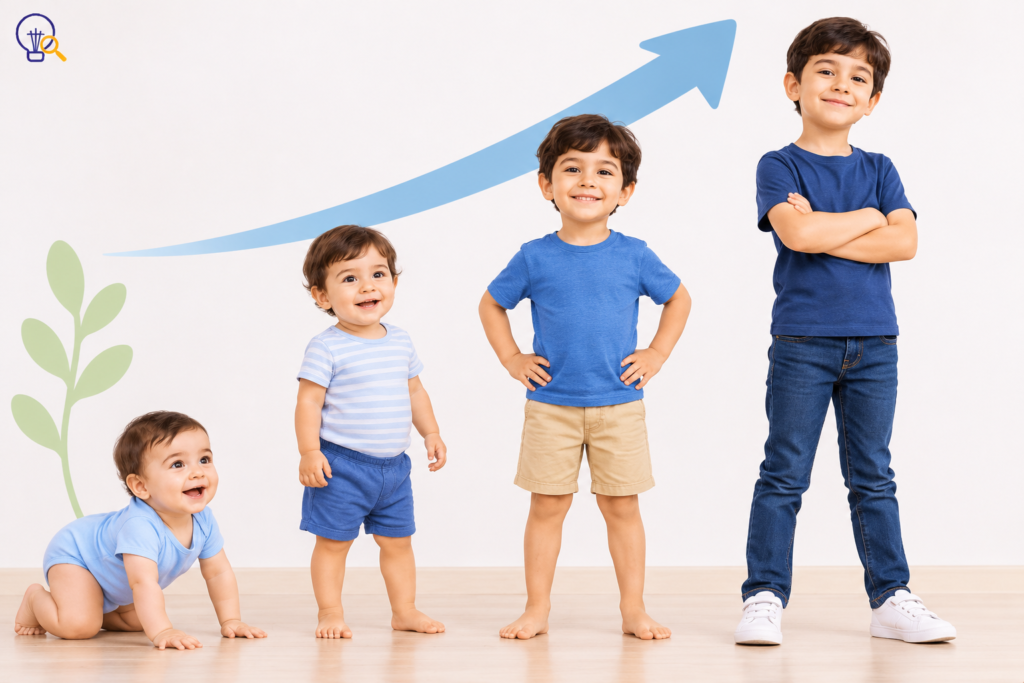
Growing up involves many physical changes. Babies gradually develop the ability to sit, crawl, walk, run, jump, and perform more complicated movements. Here are some interesting facts about physical development and the skills children develop as they grow.
Babies Gradually Develop Head Control
During the first months of life, babies develop better control over their head and neck muscles. This ability supports later physical skills, including sitting and moving around. It is an important part of early physical development.
Crawling Is One Way Babies Explore Their Environment
Many babies crawl before walking, although crawling styles and movement patterns vary. Some use different methods to move around, and some skip traditional crawling altogether. Each baby develops movement skills in their own way.
Walking Requires Coordination and Balance
Walking involves several skills working together, including muscle control, balance, and coordination. Babies gradually develop these abilities as they practise standing and moving. With time and experience, their steps usually become steadier.
Fine Motor Skills Develop Through Everyday Activities
Fine motor skills involve small movements of the hands and fingers. Drawing, picking up small objects, turning book pages, and using utensils help little ones practise these movements. Such activities also improve hand-eye coordination.
Outdoor Play Encourages Physical Activity
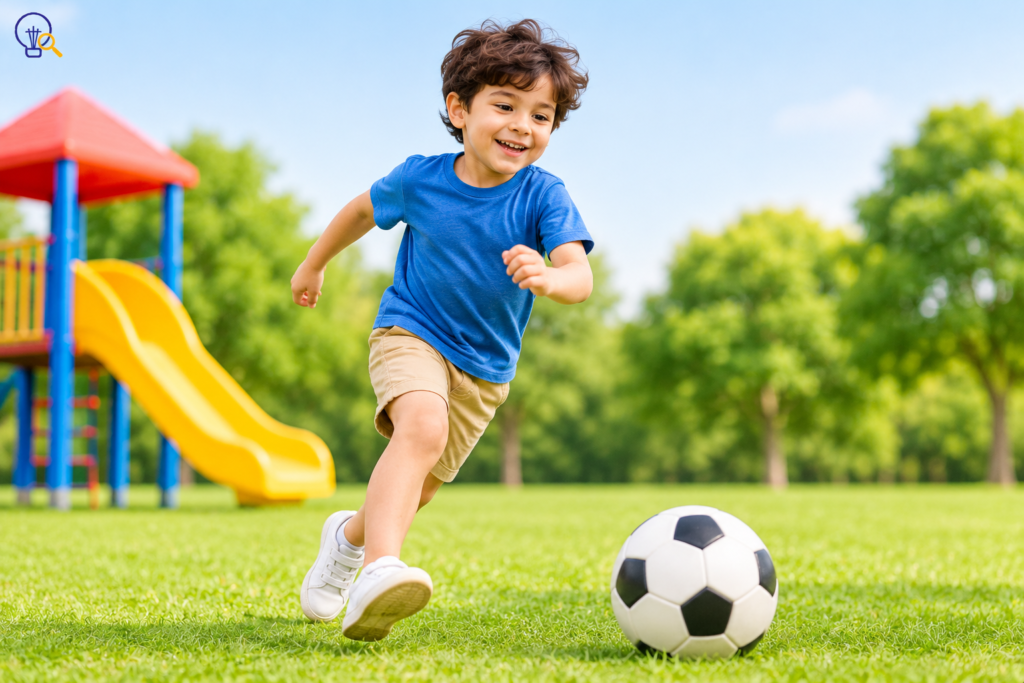
Running, jumping, climbing, and playing outside give youngsters opportunities to use their muscles and improve coordination. Active play also supports general health and physical development. Exploring outdoor spaces can make movement more enjoyable.
Movement Skills Improve With Practice
A youngster may initially struggle to catch a ball or jump over a small object. Repeated opportunities to practise help develop coordination, confidence, and movement control. Every new attempt provides another chance to improve.
Nutrition Plays an Important Role in Growth
A balanced diet supports healthy physical development. Nutrients such as protein, carbohydrates, healthy fats, vitamins, and minerals contribute to different body functions. Eating a variety of nutritious foods helps support children’s overall growth and well-being.
Sleep and Physical Activity Work Together
Physical activity and sufficient sleep both contribute to good health. The World Health Organization provides age-specific recommendations for movement, sedentary behaviour, and sleep in kids under five. Healthy daily habits can support their physical development and well-being.
Understanding Emotions and Behaviour
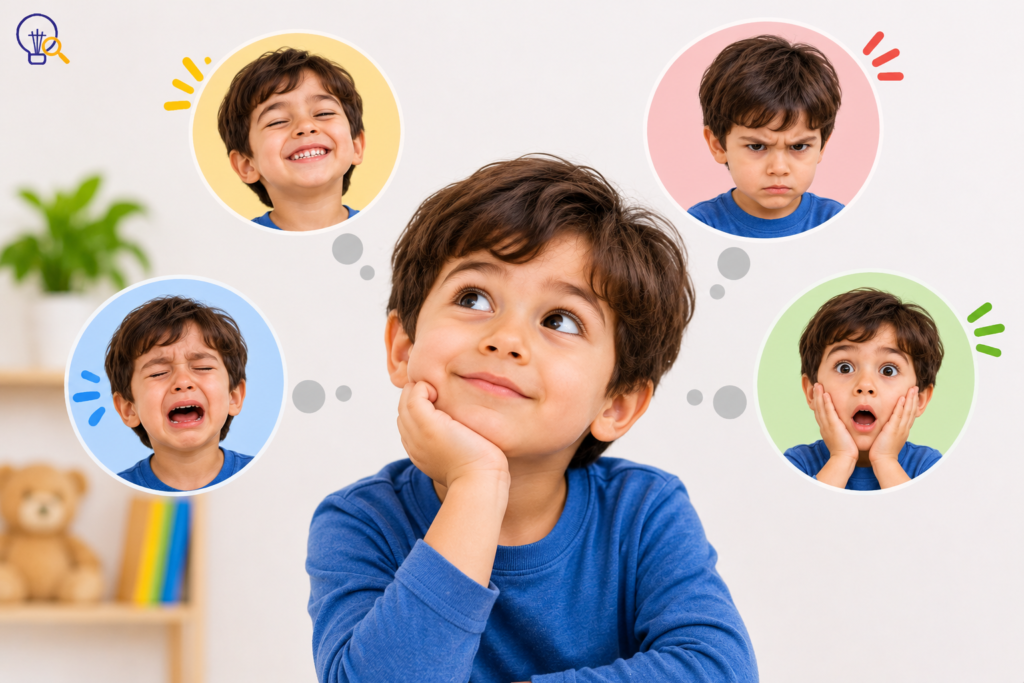
Growing up involves learning how to recognize and manage different feelings. Happiness, sadness, excitement, frustration, and fear are all part of emotional development. Understanding these emotions takes time, practice, and support from caring adults.
Babies Communicate Their Feelings Through Crying
Crying is one of the earliest ways babies communicate. They may cry when they are hungry, uncomfortable, tired, or need attention. Caregivers gradually learn to recognize their baby’s different signals and respond to their needs.
Understanding Emotions Takes Time
Youngsters may struggle to explain why they feel angry, sad, or frustrated. As their language and emotional skills develop, they gradually become better at identifying and expressing their feelings. Supportive conversations can help them understand different emotions.
Familiar People Can Make Babies Feel Safe
Babies and toddlers often develop strong relationships with familiar caregivers. Consistent, caring interactions can help them feel secure and supported while exploring their surroundings. These relationships provide an important foundation for emotional development.
Kids Often Copy Adult Behaviour
Little ones learn many social behaviours by watching the people around them. They may imitate how adults speak, greet others, solve problems, or respond to difficult situations. These observations help children understand social interactions.
Pretend Play Helps Kids Explore Different Feelings
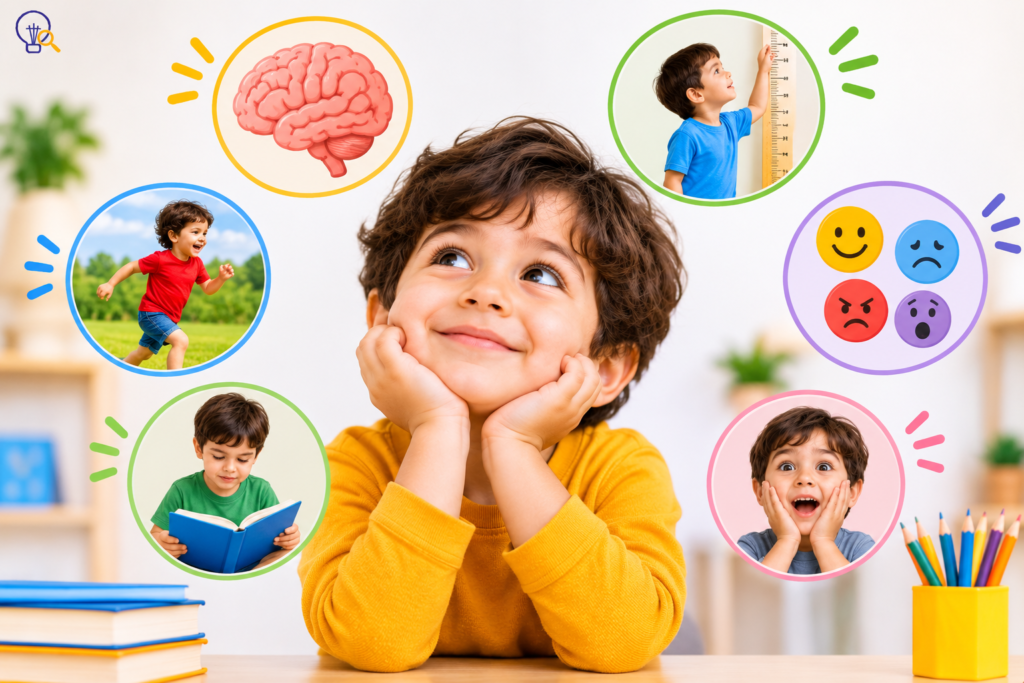
When youngsters pretend to be doctors, teachers, parents, or superheroes, they explore different situations and roles. This type of play can help them understand emotions and social relationships while expressing their imagination.
Empathy Develops Gradually
Empathy means recognizing and responding to another person’s feelings. For example, the CDC identifies comforting someone who is hurt or sad as a social-emotional milestone that many four-year-olds demonstrate. This ability develops through experience and social interaction.
Daily Routines Can Provide a Sense of Security
Regular routines give little ones a better idea of what to expect during the day. Familiar activities around meals, bedtime, and playtime can provide structure and stability. Predictable routines may also help children feel more comfortable.
Positive Attention Can Encourage Healthy Behaviour
Youngsters benefit from warm attention, encouragement, and clear guidance. Recognizing helpful behaviour can encourage positive interactions and strengthen relationships with caregivers. Supportive feedback also helps children understand which behaviours are appropriate.
How Kids Communicate With the World
Young minds use their senses to understand the world around them. They also develop communication skills long before they can hold a full conversation. These facts explain how little ones observe, listen, and interact with others.
Babies Recognize Familiar Voices
Babies begin becoming familiar with voices and sounds around them very early in life. They often respond to familiar caregivers through changes in attention, expressions, and behaviour. Hearing familiar voices can also help them feel comfortable.
Babies Communicate Before Saying Their First Words
Gestures, facial expressions, eye contact, and sounds all help babies communicate. Pointing, reaching, smiling, and babbling can express different needs and interests. These early communication methods help babies interact with the people around them.
Babies Use Their Mouths to Explore Objects
Young babies often explore objects by bringing them to their mouths. This behaviour is one way they gather information about their surroundings, which is why safe, age-appropriate objects are important. Caregivers should always keep small or unsafe objects out of reach.
Kids May Understand More Words Than They Can Say
Understanding language and speaking are related but different skills. Toddlers may understand familiar words and instructions before they can express themselves using those words. Their ability to understand language often develops alongside their speaking skills.
Pointing Is an Important Communication Skill
Youngsters use pointing to show interest, request objects, or direct another person’s attention. It is an important part of early communication and social interaction. Pointing also allows children to share what they notice with others.
Babies Enjoy Back-and-Forth Communication
A baby may make a sound, and an adult may respond with words or a smile. These simple exchanges are known as serve-and-return interactions and support early communication and social development. Such interactions help babies learn that communication involves responding to others.
Vocabulary Grows Through Daily Interaction
Conversations, stories, songs, and everyday activities introduce little learners to new words. Regular opportunities to listen and communicate help build language skills. Talking about familiar objects and activities can make new words easier to understand.
Facial Expressions Help Kids Communicate
A smile, frown, or surprised expression can communicate feelings without words. Youngsters also learn to recognize facial expressions in other people as their social understanding develops. This ability helps them understand how others may be feeling.
The Power of Play and Imagination
Young minds have remarkable imaginations. A cardboard box can become a spaceship, a blanket can become a tent, and a few toys can turn into an entire imaginary world. Play gives little ones many opportunities to express their creativity, explore new ideas, and understand everyday experiences.
Ordinary Objects Can Become Interesting Toys
A cardboard box, empty container, or piece of paper can become part of an imaginative game. Youngsters often use everyday objects in creative ways during pretend play. This shows how imagination can turn simple materials into exciting play experiences.
Drawing Helps Kids Express Their Ideas
Drawing allows little learners to represent people, places, objects, and imaginary situations. It also gives them opportunities to practise hand control and creative expression. Their drawings can provide a glimpse into how they see and understand the world.
Building Blocks Encourage Problem-Solving
Building towers, bridges, and other structures helps youngsters experiment with shapes, balance, and space. They can learn from mistakes when a structure falls and they try another design. These activities also encourage patience and creative thinking.
Imaginative Play Helps Kids Explore Different Roles
Little ones may pretend to be shopkeepers, doctors, teachers, or firefighters. These games allow them to explore familiar jobs and practise social interactions. They can also learn about everyday situations through their imaginary roles.
Playing With Others Develops Social Skills
Group games give youngsters opportunities to communicate, cooperate, share ideas, and take turns. They also learn how to handle disagreements during play. These experiences help them build relationships and understand the importance of working with others.
Outdoor Exploration Encourages Curiosity
Nature offers countless things for little explorers to discover. Watching insects, collecting leaves, observing clouds, and exploring safe outdoor spaces can encourage questions and observation skills. These experiences also help children become more interested in the natural world.
Kids Enjoy Creating Their Own Stories
Youngsters often invent characters, places, and imaginary adventures. Storytelling gives them opportunities to practise language, organize ideas, and express creativity. Making up stories can also help them develop confidence in sharing their thoughts.
Play Helps Kids Practise Real-Life Skills
Play can prepare little ones for everyday situations. Pretending to cook, shop, clean, or care for a toy gives them a chance to practise familiar activities in a safe and enjoyable way. These experiences can help children become more comfortable with everyday tasks.
Frequently Asked Questions About Children
Why Are Kids So Curious?
Young minds are naturally interested in discovering new things. They learn by asking questions, observing people, touching objects, and exploring their surroundings. Curiosity helps develop knowledge, creativity, and problem-solving skills.
At What Age Do Babies Start Learning?
Learning begins during infancy. Babies start recognizing voices, responding to faces, exploring objects, and developing communication skills long before they begin speaking or attending school. Everyday interactions provide valuable learning opportunities from the beginning.
Why Is Play Important for Childhood Development?
Play supports physical, social, emotional, and cognitive development. It gives youngsters opportunities to practise communication, solve problems, develop creativity, and interact with others. Play also makes learning more enjoyable and encourages exploration.
How Do Kids Develop Their Communication Skills?
Communication develops through listening, observing, interacting, and practising language. Gestures, facial expressions, babbling, and eventually spoken words all contribute to communication. Regular conversations and responsive interactions can support this development.
Why Do Youngsters Ask So Many Questions?
Questions help little learners understand unfamiliar things. Asking questions allows them to collect information, explore new ideas, and make sense of everyday experiences. It is also a natural way for children to develop curiosity and critical thinking.
Do All Kids Develop at the Same Speed?
No. Every individual develops at a different rate. Some may learn certain physical, language, or social skills earlier than others. Developmental milestones are useful guidelines, but they should not be treated as strict deadlines.
How Can Parents Support Healthy Development?
Parents can support development by reading stories, talking regularly, providing nutritious food, encouraging play, maintaining healthy routines, and creating a safe and loving environment. Giving children opportunities to explore and learn can also help build confidence and independence.
Final Thoughts
Childhood is an amazing stage of life filled with discovery, learning, and growth. These 50 interesting facts reveal how young minds develop, how little ones communicate, and how everyday experiences shape their understanding of the world. From imaginative games to simple conversations, even small activities can contribute to important developmental skills.
Every individual has a unique personality, learning style, and pace of development. Understanding these differences helps parents, teachers, and other adults provide better support. Most importantly, little ones need love, encouragement, opportunities to explore, and a safe environment where they can grow with confidence.
