


Dogs are full of surprises, and their habits often reveal amazing abilities. From an extraordinary sense of smell to clever ways of communicating, these loyal companions have plenty to teach us.
In this collection of fun facts about dogs, you’ll discover how canine senses work, why tails wag, what puppies experience as they grow, and how different dog breeds developed their unique traits. You’ll also learn about their intelligence, dog body language, sleeping habits, and special bond with people. Whether you live with a playful puppy or simply love animals, these interesting dog facts offer answers to questions you may have wondered about.
Get ready to see your four-legged friend in a new way.

Popular Dog Breeds at a Glance
Before exploring their fascinating abilities, let’s look at some popular breeds. Each has its own appearance, personality, and physical characteristics. This quick comparison will help you recognize some familiar names.
| Dog Breed | Size | Personality | Common Trait |
| Chihuahua | Small | Bold and alert | Compact body |
| Golden Retriever | Large | Friendly and gentle | Golden coat |
| German Shepherd | Large | Intelligent and loyal | Working ability |
| Poodle | Toy, Miniature, Standard | Clever and active | Curly coat |
| Siberian Husky | Medium | Energetic and social | Thick double coat |
| Great Dane | Giant | Gentle and affectionate | Impressive height |
| Dachshund | Small | Curious and brave | Long body |
| Border Collie | Medium | Intelligent and energetic | Herding skills |
| Dalmatian | Medium | Active and playful | Spotted coat |
| Beagle | Small to medium | Friendly and curious | Strong sense of smell |
Amazing Facts About Dogs and Their Bodies
A canine body is a remarkable piece of natural engineering. From its sensitive nose to its athletic legs, almost every feature serves a purpose. Here are some surprising details about how these animals experience the world.
Every Dog Has a Distinctive Nose Pattern
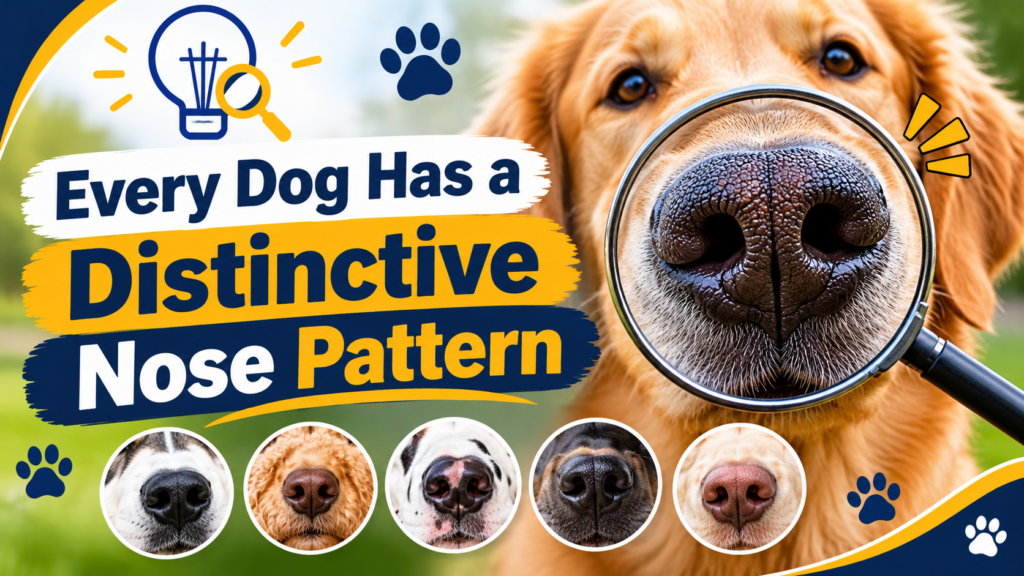
The tiny ridges and creases on a dog’s nose create a distinctive pattern. Researchers have explored nose prints as a possible identification method, much like human fingerprints. However, this technique is not as widely established or reliable as traditional pet identification methods.
Their Sense of Smell Is Extraordinary
A dog’s nose can detect scents that are far too faint for humans to notice. This remarkable ability helps trained dogs locate missing people, identify certain substances, and follow scent trails. For them, an ordinary walk is a world of smells waiting to be explored.
Dogs Can See Certain Colors
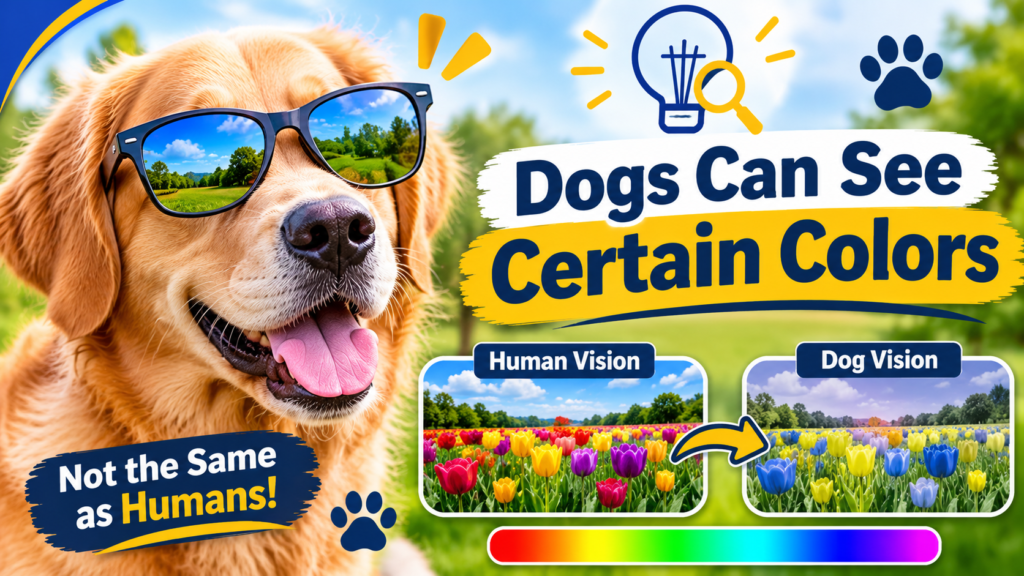
Forget the old myth that dogs see everything in black and white. Their vision is dichromatic, meaning they distinguish blues and yellows more easily than reds and greens. Their colorful world looks different from ours, but it certainly isn’t colorless.
Their Paw Pads Help With Sweating
Unlike humans, dogs do not cool themselves mainly through widespread sweating. They have sweat glands in their paw pads and rely heavily on panting to release body heat. This is why shade, fresh water, and cool resting places matter during hot weather.
Whiskers Are More Than Facial Decoration
Those stiff hairs around the muzzle and eyes are sensory tools. They help dogs detect nearby objects and subtle changes in air movement. Avoid trimming them for cosmetic reasons without veterinary advice because they contribute to everyday sensory awareness.
Their Ears Can Detect High-Pitched Sounds
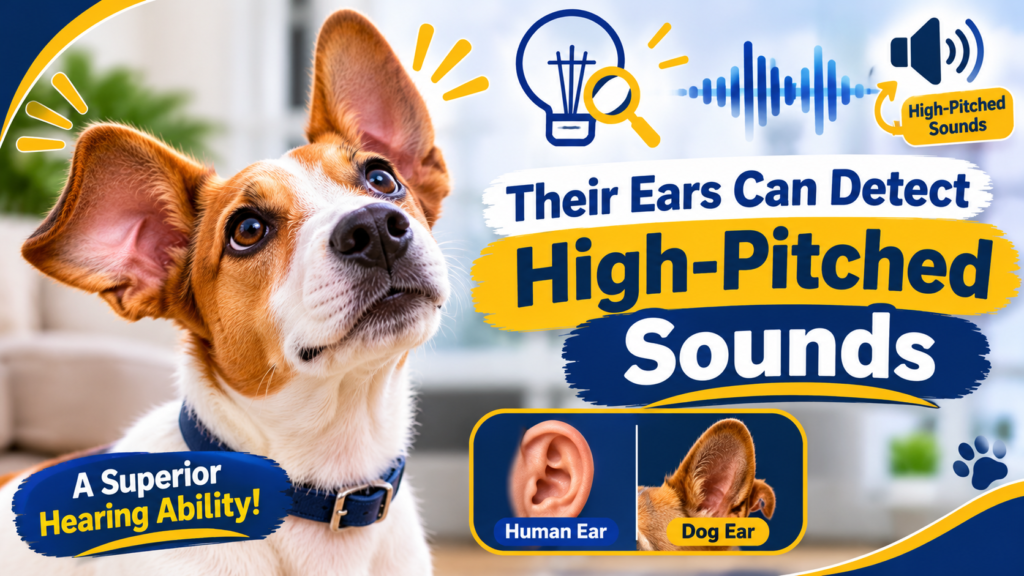
Dogs can hear frequencies beyond the range of human hearing. This ability helps them notice faint noises and high-pitched sounds. It also explains why certain whistles and electronic noises can attract their attention.
Different Breeds Have Different Physical Features
A Chihuahua and a Great Dane may belong to the same species but look worlds apart. Selective breeding has produced enormous differences in body size, coat type, facial shape, and physical abilities. These characteristics often reflect the jobs and environments for which different breeds were developed.
Interesting Facts About Dog Behavior
A wagging tail, a sudden head tilt, or a little circle before bedtime may seem ordinary. However, these behaviors can reveal fascinating details about canine communication and instincts.
Tail Wagging Does Not Always Mean Happiness
A moving tail isn’t an automatic invitation to pet a dog. Wagging can accompany excitement, uncertainty, or nervousness. Look at the entire body, including ear position, facial expression, and posture, before deciding how your furry friend feels.
They Communicate Through Body Language
Barking is only one part of canine communication. Facial expressions, posture, ear movements, tail positions, and scent all carry information. Learning these dog body language signals can help you understand when a pet feels relaxed, uncomfortable, or excited.
They Can Understand Human Pointing Gestures
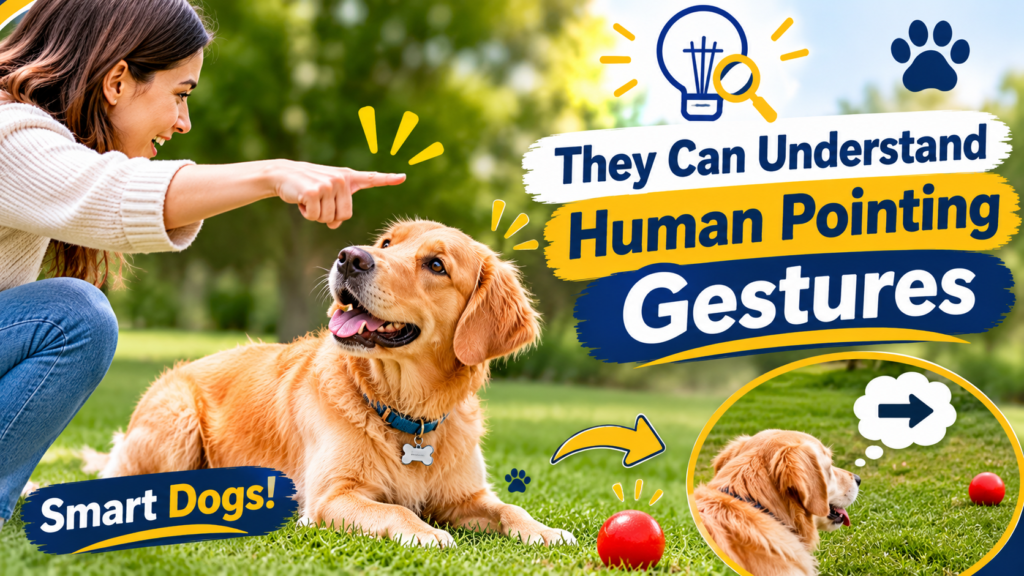
Point toward a hidden toy, and your companion may know where to look. Research has shown that dogs can use human gestures, including pointing, to locate objects. This ability makes everyday interactions with people especially interesting.
Some Dogs Circle Before Settling Down
Have you noticed your pet turning around before lying on its bed? This behavior may reflect inherited instincts from wild ancestors, who possibly adjusted vegetation before resting. Today, the same little ritual can appear on a perfectly comfortable cushion.
Head Tilting May Help Them Process Sounds
That adorable sideways head tilt can happen when a dog pays attention to a sound or tries to interpret something unfamiliar. Scientists are still investigating this behavior, so there isn’t one proven explanation for every tilt.
They Use Different Sounds to Communicate
Whining, growling, barking, and howling can serve different purposes. A puppy might whine to seek attention, while an adult dog may bark when something catches its attention. Context is essential when interpreting any vocalization.
Familiar Voices Can Catch Their Attention
Many dogs respond differently to the voices of familiar people. They can learn to associate certain sounds with meals, walks, playtime, and affection. That’s why hearing your voice may trigger an excited dash toward the door.
Their Sleeping Movements Can Look Like Running
Have you seen little paws twitching during a nap? Sleeping dogs sometimes move their legs, change facial expressions, or make quiet noises. These movements can occur during dreaming, although we cannot know exactly what they dream about.
Fascinating Facts About Puppies
Those tiny paws and curious faces hide a busy period of growth. During their early weeks, puppies gradually develop their senses, explore their surroundings, and learn important social skills.
Newborn Puppies Cannot Open Their Eyes Immediately
Puppies arrive in the world with their eyes closed. Their eyelids generally begin opening during the first two weeks of life. Until then, they depend on their mother for warmth, nourishment, and protection.
Their Ear Canals Are Closed at Birth
Newborn puppies cannot hear normally because their ear canals are closed. Hearing develops during their early weeks, allowing them to respond more effectively to sounds as they grow.
Young Puppies Need Plenty of Sleep
Growing bodies require substantial rest. Puppies spend many hours sleeping because their development involves constant physical and neurological changes. Frequent naps are a normal part of early life.
They Explore Their Surroundings With Their Mouths
Chewing and mouthing are common ways for young dogs to investigate objects. A shoe, toy, or blanket might become an interesting discovery. Suitable chew toys help redirect this natural behavior toward safer objects.
Baby Teeth Eventually Fall Out
Puppies develop temporary teeth that gradually make way for permanent adult teeth. During teething, they may chew more frequently. Providing appropriate toys can make this stage easier for both pets and their owners.
Early Social Experiences Can Shape Their Behavior
Positive experiences with people, sounds, surfaces, and other animals help puppies become familiar with the world. Early socialization plays an important role in behavioral development and can reduce the risk of future fearfulness.
Their Personalities Develop Over Time
Some puppies are naturally adventurous, while others approach unfamiliar situations cautiously. Genetics, early experiences, training, and environment all influence temperament. Even littermates can grow into noticeably different personalities.
Surprising Facts About Different Dog Breeds
From miniature companions to towering working breeds, canine diversity is extraordinary. Many physical characteristics developed because humans selected particular traits for specific jobs, environments, and lifestyles.
Chihuahuas Are Among the Smallest Breeds
These tiny companions are famous for their compact bodies and confident personalities. Despite their size, they need regular exercise, gentle handling, and consistent training. A small body doesn’t mean a small personality!
Great Danes Can Grow Remarkably Tall
Great Danes are famous for their impressive height and powerful appearance. Yet many are affectionate and gentle family companions. Their enormous size means owners must pay attention to appropriate exercise, nutrition, and comfortable living arrangements.
Greyhounds Are Natural Sprinters
With long legs, lean muscles, and flexible bodies, Greyhounds are built for speed. They are among the fastest dog breeds over short distances. Surprisingly, many retired racing Greyhounds enjoy spending much of their day relaxing indoors.
Dalmatian Puppies Develop Their Spots as They Grow
Dalmatians are instantly recognizable because of their spotted coats. However, puppies are generally born white, and their distinctive markings become visible as they develop. Their appearance makes them one of the most recognizable breeds worldwide.
Border Collies Are Skilled Herding Animals
Border Collies are widely admired for their intelligence and working abilities. Their strong herding instincts make them excellent at guiding livestock. They also need mental challenges and regular activity to remain stimulated.
Dachshunds Were Developed to Hunt Underground
Their long bodies and short legs were useful for pursuing badgers and other animals in underground burrows. Their name comes from German words associated with badgers and hounds. Their unusual shape reflects their original working purpose.
Siberian Huskies Have Thick Double Coats
Huskies developed in cold climates and have dense coats that provide insulation. Their striking appearance and energetic nature make them popular companions. However, they need plenty of activity and appropriate coat care.
Poodles Come in Several Sizes
Poodles are commonly recognized in standard, miniature, and toy sizes. Their curly coats and intelligence make them distinctive. Regular grooming is essential because their hair can become tangled without proper maintenance.
Newfoundlands Are Excellent Swimmers
Newfoundlands are large, powerful dogs with thick coats and strong swimming abilities. Their webbed feet help them move through water. Historically, they were valued for water-related working tasks, including assisting fishermen.
Corgis Were Bred to Herd Livestock
Despite their short legs, Corgis are energetic herding dogs. Their low bodies helped them work around cattle while avoiding kicks. Their cheerful expressions and sturdy build make them especially recognizable.
Weird and Unusual Facts About Dogs
Some canine characteristics are downright surprising. From unusual paws to impressive learning abilities, these lesser-known details reveal why our furry companions never stop fascinating us.
Some Breeds Have Noticeable Webbed Feet
Certain breeds have more prominent webbing between their toes. Newfoundlands and Portuguese Water Dogs are well-known examples. This physical feature helps them move through water more effectively.
Nose Color Can Vary Between Individuals
Not every dog has a black nose. Depending on genetics and pigmentation, noses may appear brown, pink, or a combination of colors. Some dogs also experience seasonal changes in pigmentation.
Dogs Can Learn to Recognize Their Names
Through repetition and positive experiences, many pets learn to respond to their names. They may associate the sound with attention, rewards, walks, or play. Consistent training helps strengthen this association.
Their Paw Shapes Are Not All Identical
Paw size and structure vary across breeds. Some dogs have compact paws, while others have broader feet suited to particular activities. Regular inspection helps owners notice injuries, cracked pads, or trapped debris.
They Can Learn Complex Tasks
With suitable training, some dogs learn to perform impressive jobs. Assistance work, search-and-rescue operations, and scent detection all demonstrate their ability to follow instructions and solve practical challenges.
Sleeping Positions Can Vary Greatly
One pet may curl into a tight ball, while another stretches across the entire bed. Sleeping positions can reflect comfort, temperature, and personal preference. No single position reveals everything about an animal’s emotional state.
Some Dogs Have Curly Tails
Pugs, Shiba Inus, and several other breeds are known for their curled tails. Genetics and breed characteristics influence tail shape. These distinctive features often make particular breeds easy to recognize.
Their Sense of Smell Helps Them Follow Trails
A scent trail can provide information about where another animal or person has traveled. Specially trained scent-detection dogs use this ability in search operations and other practical settings.
Amazing Facts About Dogs and Humans
The relationship between people and their canine companions stretches back thousands of years. Over generations, dogs have become skilled at living alongside humans and responding to our everyday habits.
Humans and Dogs Have Shared a Long History
Archaeological and genetic evidence shows that dog domestication happened thousands of years ago. Although scientists continue investigating the exact timeline, this relationship has shaped both human societies and canine development.
Positive Rewards Can Make Training Effective
Treats, praise, and play can encourage desirable behavior. This method is called positive reinforcement. When a dog connects an action with a pleasant outcome, it has a reason to repeat that behavior.
They Can Learn Your Daily Routine
Your pet may recognize when you usually wake up, prepare breakfast, or leave home. Repeated experiences help dogs learn household patterns. That’s why some companions seem ready for their walk before you even pick up the leash.
Mental Stimulation Is Just as Important as Physical Activity
Walks are wonderful, but exercise isn’t the only way to keep a pet occupied. Puzzle feeders, scent games, and short training sessions provide mental challenges that can make everyday life more interesting.
They Can Encourage a More Active Lifestyle
Having a canine walking partner can motivate people to spend more time outdoors. Daily walks and playful activities provide opportunities for movement while strengthening the bond between owner and companion.
Familiar Scents Can Help Them Recognize People
A person’s scent can carry valuable information. Because their sense of smell is so sensitive, many dogs can recognize familiar people through scent even when they cannot see them.
They Respond to Human Body Language
Dogs pay attention to our gestures, posture, facial expressions, and tone of voice. These signals help them interpret everyday interactions. A relaxed voice and gentle movements can make communication easier.
Some Canines Work as Assistance Animals
Trained assistance dogs can support people with disabilities by performing specific tasks. Depending on their training, they may retrieve objects, guide individuals, or alert their handlers to particular situations.
Their Relationships Can Be Deeply Social
Many dogs enjoy spending time with familiar people and animals. They may seek attention, follow family members around the home, or initiate play. Their social needs make companionship and positive interaction important parts of responsible care.
Every Animal Has Its Own Personality
Even two puppies from the same litter can have very different temperaments. One may enjoy meeting everyone, while another prefers familiar faces. Genetics, environment, health, and life experiences all contribute to individual personality.
Quick Dog Facts at a Glance
Want a quick recap? This table highlights some of the most interesting characteristics covered in this guide.
| Feature | Interesting Fact |
| Nose | Each nose has a distinctive pattern |
| Vision | Blues and yellows are easier to distinguish |
| Hearing | Can detect higher-frequency sounds than humans |
| Paw pads | Contain sweat glands |
| Whiskers | Help sense nearby objects |
| Communication | Uses sounds, posture, and scent |
| Puppies | Are born with closed eyes and ear canals |
| Breeds | Have different physical characteristics |
| Training | Can benefit from positive reinforcement |
| Sleep | May twitch or move while dreaming |
Frequently Asked Questions About Dogs
Here are answers to common questions that curious readers and pet owners often ask. These short explanations provide a little more insight into canine senses, behavior, and everyday habits.
Do Dogs Really See in Color?
Yes! Their vision includes colors, but they distinguish blues and yellows more effectively than reds and greens. Their world is different from ours, not completely black and white.
Why Do They Smell Everything?
Smelling helps dogs gather information about their surroundings. Their noses can detect scents, recognize familiar odors, and follow trails. Sniffing is a natural part of exploring the environment.
Why Do Dogs Wag Their Tails?
Tail movement is a form of communication. It may accompany excitement, nervousness, or other emotional states. Pay attention to the whole body rather than assuming every wag indicates happiness.
How Much Do Puppies Sleep?
Young puppies need substantial rest because their bodies and brains are developing. Sleep requirements vary with age and individual needs. A sudden change in sleeping habits is worth discussing with a veterinarian.
Are Some Breeds More Intelligent Than Others?
Different breeds have different strengths, instincts, and learning styles. Some excel at herding or scent work, while others are particularly suited to assistance tasks. Intelligence isn’t measured by one ability alone.
Can Dogs Recognize Their Owners?
Yes. Dogs can recognize familiar people through a combination of scent, voice, sight, and learned experiences. A familiar smell or voice can be especially meaningful to a companion.
Final Thoughts
From extraordinary noses to remarkable social skills, there is always something fascinating to discover about our four-legged friends. These fun facts about dogs offer only a glimpse into their unique world. The next time your furry companion tilts its head, sniffs a tree, or curls up for a nap, remember that even the smallest habits can have interesting explanations. Keep learning, enjoy every moment, and give your loyal friend plenty of love!
Sources and Further Reading
For additional scientific and veterinary information, explore these trusted resources:
- American Kennel Club – Breed information, training, and canine care.
- Merck Veterinary Manual – Veterinary information about animal health and behavior.
- VCA Animal Hospitals – Pet health, development, and behavior guidance.
- Cornell University College of Veterinary Medicine – Veterinary research and animal health resources.
- American Veterinary Medical Association – Responsible pet ownership and veterinary guidance.
