
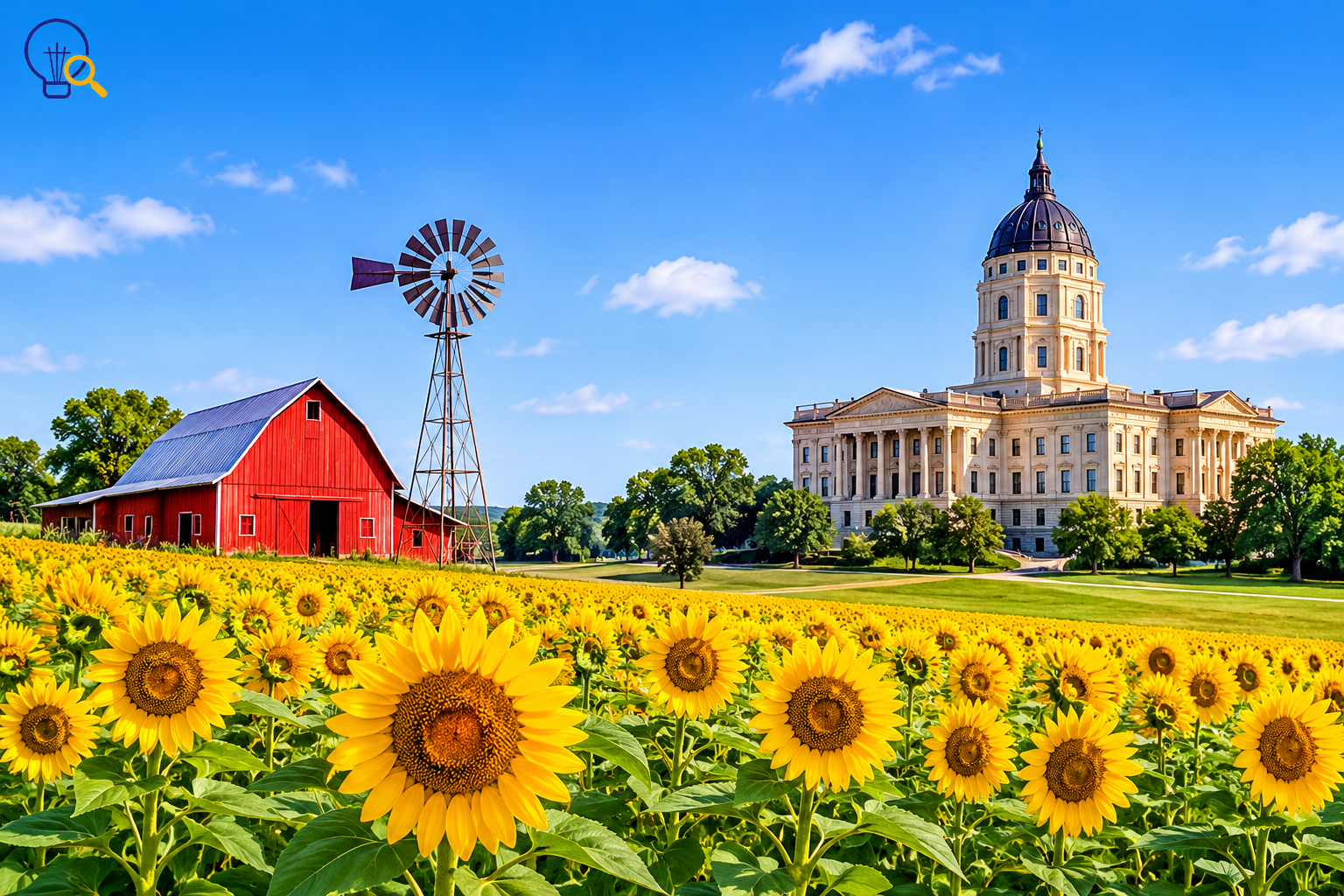

What do a famous pizza chain, an ancient underwater sea, and the magical world of The Wizard of Oz have in common? They all have surprising connections to Kansas! Often associated with endless wheat fields and quiet countryside, this Midwestern state has a much more interesting story than most people imagine.
From unusual historical discoveries and remarkable natural landmarks to famous inventions, fascinating wildlife, and unexpected traditions, there is plenty to explore. These Kansas facts will take you beyond the usual stereotypes and reveal fascinating details about the state’s past, present, and unique identity.
Table of Contents
Quick Facts About Kansas
| Category | Information |
| Official Name | State of Kansas |
| Capital City | Topeka |
| Largest City | Wichita |
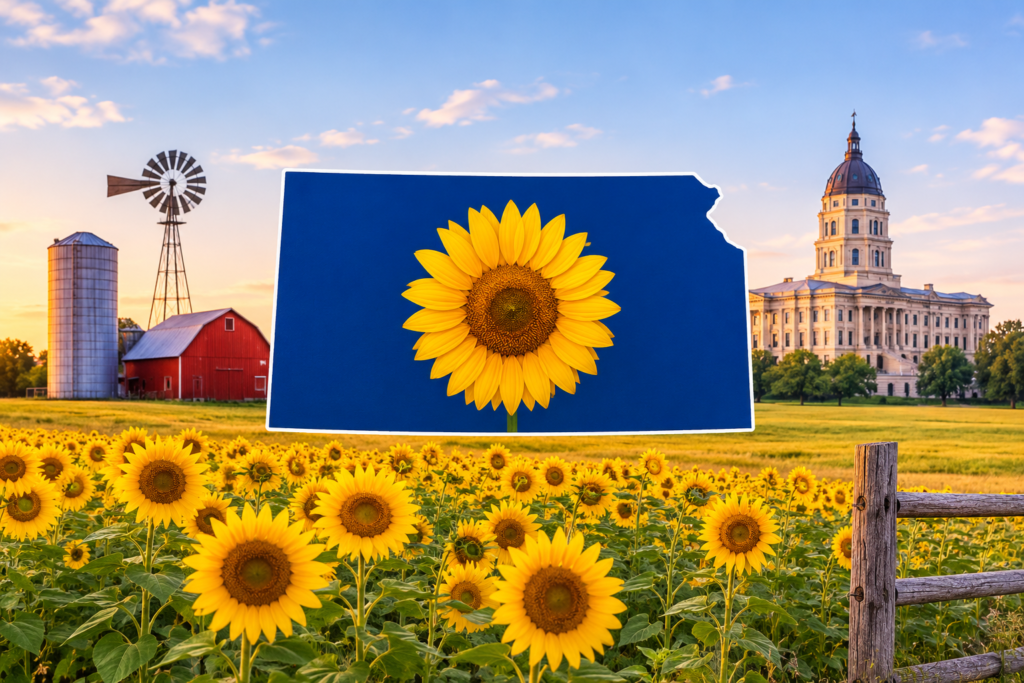
| Nickname | The Sunflower State |
| Statehood | January 29, 1861 |
| State Order | 34th state |
| Abbreviation | KS |
| Region | Midwestern United States |
| Number of Counties | 105 |
| State Flower | Wild Native Sunflower |
| State Bird | Western Meadowlark |
| State Animal | American Bison |
| State Tree | Cottonwood |
| State Song | Home on the Range |
| Highest Point | Mount Sunflower |
| State Motto | Ad Astra Per Aspera |
Interesting Kansas Facts
It Became the 34th State in 1861
Kansas officially joined the United States on January 29, 1861, becoming the 34th state. Before that, it was organized as a territory in 1854. Its admission came during a period of serious national disagreement over slavery, making its early history especially important in American politics.
Topeka Is the State Capital
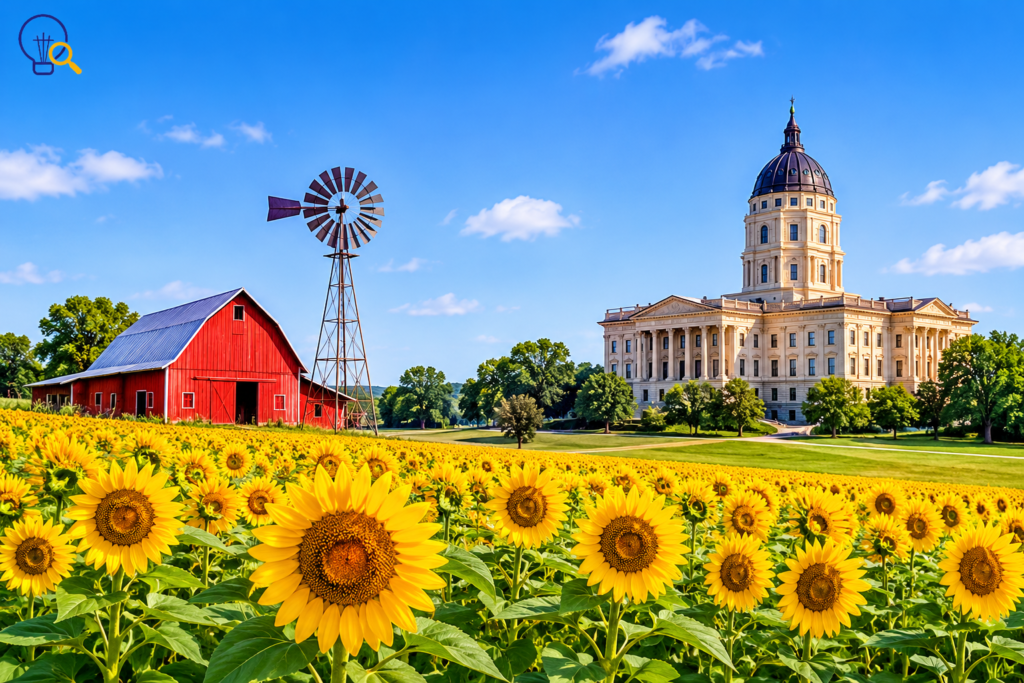
Topeka serves as the state capital and is located in the northeastern part of Kansas along the Kansas River. It is home to the Kansas State Capitol, an impressive historic building with a distinctive dome and beautiful interior architecture. The city also plays an important role in the state’s government and history.
Wichita Is the Largest City
Wichita is the most populous city in Kansas. It is often called the Air Capital of the World because of its long history of aircraft manufacturing. The city also offers museums, parks, restaurants, cultural attractions, and a lively local community.
It Is Known as the Sunflower State
The famous nickname comes from the wild sunflowers that grow naturally throughout the region. These bright flowers have become an important part of local identity and appear on official state symbols. Sunflowers are also a familiar sight in the state’s countryside during the warmer months.
The State Motto Is in Latin
The official state motto is Ad Astra Per Aspera, which means “To the stars through difficulties.” The phrase represents determination, ambition, and the ability to overcome challenges. It reflects the spirit of perseverance associated with the state’s history and people.
There Are 105 Counties
Kansas is divided into 105 counties. Each has its own local communities, history, and government. This county structure helps organize public services, local administration, and community affairs throughout the state.
It Shares Borders With Four States
Kansas shares its borders with Nebraska to the north, Missouri to the east, Oklahoma to the south, and Colorado to the west. Its central location makes it an important part of the American Midwest and the Great Plains region.
Mount Sunflower Is Its Highest Point
Mount Sunflower reaches approximately 4,041 feet above sea level, making it the highest point in Kansas. Despite its name, it is not a traditional mountain with steep peaks. It is a gentle high point in the western part of the state, close to the Colorado border.
Its Landscape Is Not Completely Flat
Many people picture endless flat farmland when they think about Kansas. However, the state also contains rolling hills, river valleys, grasslands, and elevated areas. The Flint Hills are particularly famous for their beautiful rolling landscape, which looks very different from the stereotypical flat countryside.
The Geographic Center of the Contiguous United States Is Nearby
The geographic center of the contiguous United States is located near Lebanon, Kansas. A small monument marks the location and attracts visitors interested in American geography. It is a fun stop for travelers who enjoy exploring unusual landmarks and geographic curiosities.
Historical Facts About Kansas
It Was Part of the Louisiana Purchase
In 1803, the United States acquired the land that includes present-day Kansas through the Louisiana Purchase from France. This enormous transaction doubled the size of the country and helped expand the United States westward.
It Was Once Known as Bleeding Kansas
Before statehood, the territory experienced violent conflicts between people who supported slavery and those who opposed it. These struggles became known as Bleeding Kansas and played an important role in the events leading up to the American Civil War.
It Entered the Union as a Free State
When Kansas joined the United States in 1861, it entered as a free state. This decision followed years of political conflict, protests, and violence over slavery. The territory’s struggle became an important part of the nation’s history.
Indigenous Nations Have Deep Historical Connections to the Region
Native American communities lived throughout Kansas long before European settlers arrived. Nations with historical connections to the region include the Kansa, Osage, Pawnee, and Wichita peoples. Their histories, traditions, and cultural contributions remain an important part of the state’s heritage.
The Santa Fe Trail Passed Through the State
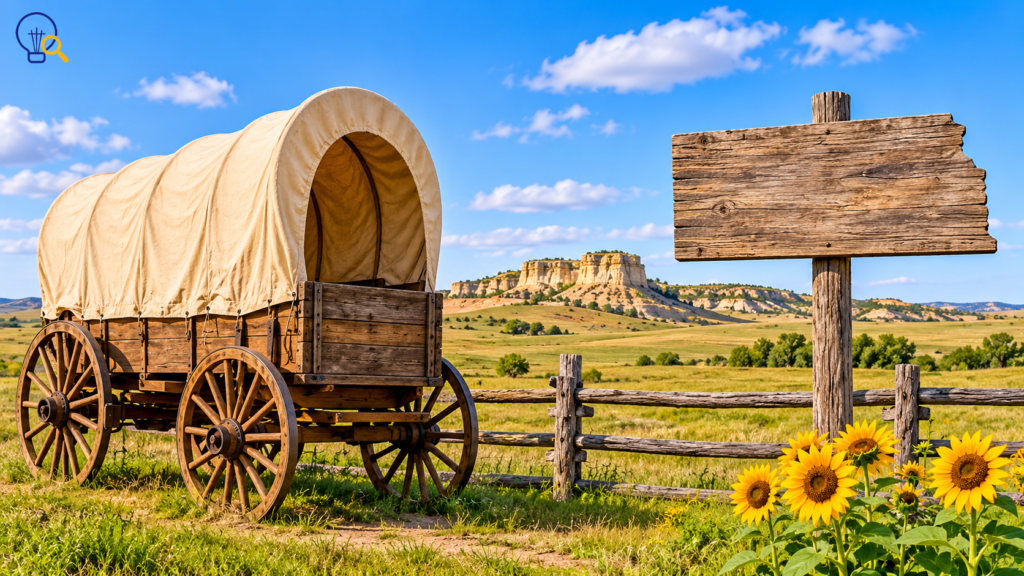
The Santa Fe Trail was an important commercial route connecting Missouri with Santa Fe in present-day New Mexico. It passed through parts of Kansas and helped transport goods, supplies, and travelers across the western frontier. The trail played a major role in trade and westward expansion.
Brown v. Board of Education Changed American History
Topeka became internationally important because of the landmark Supreme Court case Brown v. Board of Education of Topeka in 1954. The ruling declared racial segregation in public schools unconstitutional and became a major milestone in the American civil rights movement. It helped challenge discriminatory laws and reshape the country’s education system.
January 29 Is Celebrated as Kansas Day
Every year, residents celebrate Kansas Day on January 29. The date marks the anniversary of the state’s admission to the Union in 1861. Schools and communities often organize educational activities, historical programs, and events to celebrate the state’s birthday.
The State Capitol Took Decades to Complete
Construction of the Kansas State Capitol began in the 1860s and continued for several decades. Its impressive architecture, detailed artwork, and large dome make it one of Topeka’s most recognizable landmarks. The building is an important symbol of the state’s government and history.
Its Name Comes From the Kansa People
The name Kansas comes from the Kansa people, a Native American nation historically associated with the region. The name reflects the area’s Indigenous heritage and long history before European settlement.
The State Seal Contains 34 Stars
The Great Seal of Kansas features 34 stars, representing the state’s position as the 34th member of the Union. Its design also includes scenes representing agriculture, settlement, transportation, and regional history.
Geography and Nature Facts
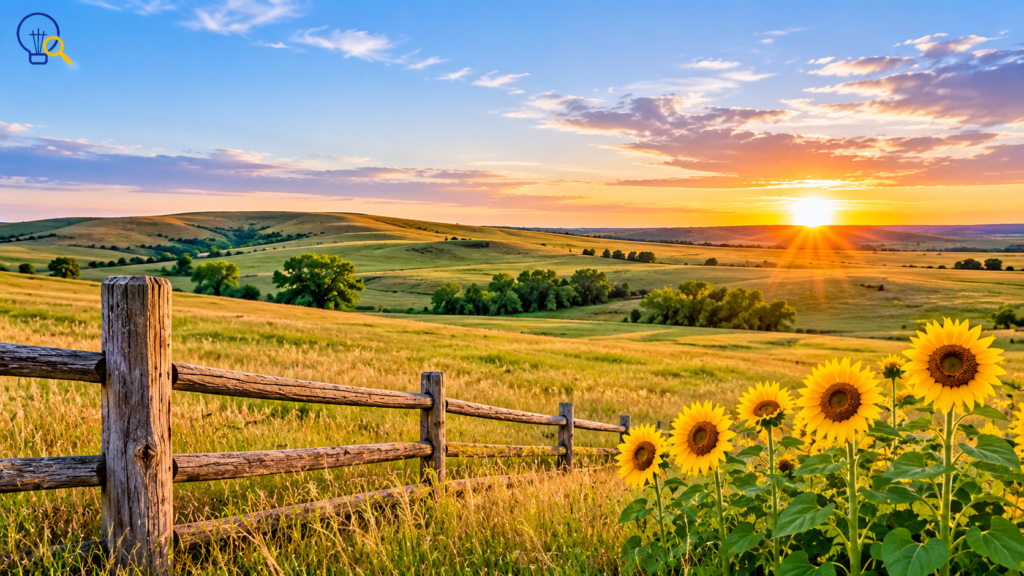
The Flint Hills Preserve a Rare Tallgrass Prairie
The Flint Hills contain one of the largest remaining areas of tallgrass prairie in North America. Their rolling hills, native grasses, and open views create a landscape unlike the familiar image of endless wheat fields. This ecosystem supports many native plants and animals and is valuable for conservation.
Several Major Rivers Flow Through the Region
Important waterways include the Kansas River, Arkansas River, and Missouri River. These rivers support wildlife, agriculture, recreation, and nearby communities. They have also played an important role in the state’s settlement, transportation, and economic development.
Monument Rocks Are Millions of Years Old
Monument Rocks, also called the Chalk Pyramids, are impressive natural formations in western Kansas. Their chalk and limestone structures developed through geological processes over millions of years. These towering formations stand out against the surrounding flat and open landscape.
An Ancient Sea Once Covered Much of the Area
During the Cretaceous Period, a large inland sea covered much of what is now Kansas. This ancient environment was home to marine creatures, including giant reptiles and other sea animals. The prehistoric sea helps explain why marine fossils can still be discovered throughout the region today.
Milford Lake Is a Popular Outdoor Destination
Milford Lake is one of the largest reservoirs in Kansas. Visitors enjoy fishing, boating, camping, swimming, hiking, and other outdoor activities around its shores. It is a popular destination for people looking to relax or enjoy nature.
Sunflowers Support Local Wildlife
Sunflowers are more than attractive flowers. Their seeds provide food for birds and other animals, while their blooms attract bees, butterflies, and other pollinators. They help support local ecosystems and add color to the state’s natural landscapes.
The Weather Changes Dramatically With the Seasons
Kansas experiences hot summers, cold winters, thunderstorms, and changing seasonal conditions. Temperatures and weather patterns can vary between eastern and western areas. Residents experience everything from warm sunny days to icy winter weather.
Tornadoes Are a Serious Weather Hazard
Kansas lies in a part of the central United States where severe thunderstorms and tornadoes can occur. These powerful storms can bring damaging winds, hail, and dangerous conditions. Weather awareness, warning systems, and storm shelters are important for residents.
Its Grasslands Support Many Wildlife Species
White-tailed deer, coyotes, prairie dogs, rabbits, foxes, and numerous bird species live throughout Kansas. Grasslands, wetlands, forests, and rivers provide different habitats for these animals. The state’s varied natural environments support a wide range of wildlife.
Little Bluestem Is the Official State Grass
Little bluestem is a native prairie grass that grows well across the Great Plains. It provides food and shelter for wildlife and is an important part of the natural landscape. Its colors can change throughout the year, creating beautiful shades across the prairie.
Food and Agriculture Facts
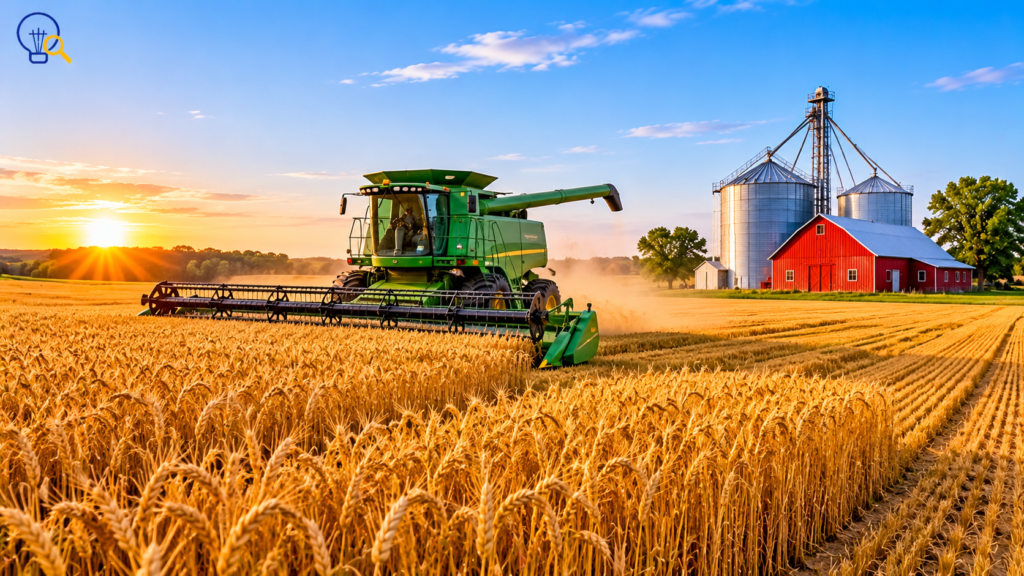
It Is One of America’s Leading Wheat Producers
Wheat farming is a major part of Kansas’s agricultural industry. Its productive farmland has earned it another nickname: the Wheat State. Wheat fields are a familiar sight across the region, particularly during the growing and harvesting seasons.
Its Wheat Helps Supply Flour Across the Country
Kansas farmers grow large quantities of wheat that are processed into flour for bread, pasta, and other food products. This makes the state’s agricultural industry important to the nation’s food supply. Wheat production also supports farming communities, transportation, and food processing businesses.
Cattle Ranching Is a Major Industry
Livestock production has a long history in Kansas. Cattle ranching and beef processing contribute significantly to the state’s agricultural economy. Its grasslands provide suitable conditions for raising cattle, and the industry remains an important part of rural life.
Pizza Hut Started in Wichita
One of the world’s most recognized pizza restaurant chains began in Wichita in 1958. Brothers Dan and Frank Carney opened the first Pizza Hut restaurant there. What started as a small local business eventually grew into an international brand with restaurants around the world.
White Castle Also Began in Wichita
White Castle, one of America’s earliest hamburger restaurant chains, was founded in Wichita in 1921. It became an important name in the development of the modern fast-food industry and is especially known for its small square hamburgers, often called sliders.
Farmers Grow More Than Wheat
Kansas agricultural production also includes corn, soybeans, sorghum, sunflowers, and other crops. This variety makes farming one of the region’s most important economic activities. Different crops are grown depending on soil conditions, climate, and local farming practices.
Kansas City Is Famous for Barbecue
Kansas City is part of a region celebrated for its barbecue traditions, including Kansas City, Kansas. Slow-smoked meats, rich sauces, ribs, brisket, and burnt ends are among the foods associated with Kansas City-style barbecue. The city’s barbecue culture has become famous throughout the United States.
Culture and Famous Places
The Wizard of Oz Has a Connection to the State
In The Wonderful Wizard of Oz, Dorothy lives on a farm in Kansas before a tornado transports her to the magical Land of Oz. This connection has made Kansas an unforgettable part of the famous story. The phrase “We’re not in Kansas anymore” has also become a popular expression used when someone enters an unfamiliar or surprising situation.
Home on the Range Is the Official State Song
“Home on the Range” celebrates the beauty of open countryside and prairie life. Its lyrics describe peaceful landscapes, wildlife, and the charm of the American West. The song helped make it one of America’s best-known traditional Western songs.
Dodge City Was a Famous Frontier Town
During the American Old West, Dodge City became known for cattle drives, cowboys, railroads, and frontier history. It developed into a major cattle town and attracted traders, ranchers, and travelers. Today, visitors can explore attractions that preserve its Wild West heritage.
Abilene Played an Important Role in the Cattle Trade
During the 19th century, Abilene became a major destination for cattle drives. Texas cattle were transported there before being shipped to eastern markets by rail. The town helped shape the cattle industry and became an important part of the history of the American frontier.
Eisenhower’s Presidential Library Is in Abilene
Abilene is home to the Dwight D. Eisenhower Presidential Library, Museum, and Boyhood Home. Visitors can learn about the life, military career, and presidency of Dwight D. Eisenhower, the 34th president of the United States. The site preserves historical documents, exhibits, and memories of his life.
Wichita Has a Remarkable Aviation History
Aircraft manufacturing has played a major role in Wichita’s development. Several important aviation companies established operations there, helping the city earn its famous aviation nickname. The industry has contributed to jobs, technology, engineering, and the city’s economy for generations.
The Cosmosphere Is a Must-Visit for Space Enthusiasts
Located in Hutchinson, the Kansas Cosmosphere is a space museum featuring exhibits about space exploration. Its collections include historical artifacts connected to the development of spaceflight, including items from important missions and the history of aerospace technology.
Lawrence Is Known for the University of Kansas
Lawrence is home to the University of Kansas, one of the state’s major educational institutions. The city is also known for its historic downtown, cultural attractions, local shops, restaurants, and lively atmosphere. It is a popular place for students, visitors, and residents.
Fort Leavenworth Has a Long Military History
Fort Leavenworth is one of the oldest active military installations west of the Mississippi River. Established in 1827, it has played an important role in American military history. It is closely associated with military education, training, and the development of the United States Army.
Fort Riley Is Another Important Historic Site
Fort Riley was established in 1853 and has a long connection to the U.S. Army. It is also closely associated with the history of famous cavalry units and military life on the Great Plains. The installation continues to play an important role in the nation’s military operations.
Unusual and Fun Facts
Helium Was Discovered Near Dexter in 1903
A natural gas well near Dexter became important in scientific history when helium was discovered there in 1903. The discovery helped scientists learn more about the presence of this gas in natural resources. Helium is now widely known for its use in scientific research, balloons, and specialized applications.
It Has Official Marine and Flying Fossils
Kansas recognizes Tylosaurus as its official marine fossil and Pteranodon as its official flying fossil. Both creatures lived during the Cretaceous Period, when an inland sea covered much of the region. These prehistoric animals represent the fascinating marine and flying life that once existed in the area.
The Honeybee Is the Official State Insect
The honeybee was selected as the official state insect in 1976. These insects play an essential role in pollination and help many plants produce fruits and seeds. Their importance to agriculture and natural ecosystems makes them a valuable part of the state’s wildlife.
The Western Meadowlark Is the State Bird
The western meadowlark became the official state bird in 1937. It is recognized by its yellow chest, distinctive black V-shaped marking, and beautiful song. It is commonly found in grasslands and open countryside.
The American Bison Represents Its Wildlife Heritage
The American bison became the official state animal in 1955. These powerful animals once roamed the Great Plains in enormous herds and remain an important symbol of the region’s wildlife heritage and history.
The Ornate Box Turtle Is the Official Reptile
The ornate box turtle received this designation in 1986. It is known for its attractive shell patterns and ability to live in grassland environments. This turtle is one of the state’s interesting native reptiles.
The Sandhill Plum Is the Official State Fruit
The sandhill plum became the official state fruit in 2022. This small native fruit has historical importance and can be used to make jams, jellies, and other foods. It is especially appreciated for its tart flavor.
The State Has Its Own Official Fossil Dinosaur
In 2023, Silvisaurus condrayi was designated the official state land fossil. This armored dinosaur lived millions of years ago and adds another fascinating chapter to the region’s prehistoric history.
Its State Flag Features a Sunflower
The official flag was adopted in 1927. It features a blue background, the Great Seal, and a sunflower above the seal. The name of the state was added to the flag in 1961.
The Cottonwood Is the Official State Tree
The cottonwood became the official state tree in 1937. It is commonly associated with riverbanks and provides shade and habitat for wildlife. Its tall stature and broad leaves make it a familiar sight in many parts of Kansas.
Frequently Asked Questions About Kansas
What Is Kansas Most Famous For?
Kansas is best known for its sunflowers, wheat production, wide-open prairies, aviation industry, and connection to The Wizard of Oz. It also has an important place in American history, particularly in the struggles over slavery and civil rights.
What Is the Capital of Kansas?
Topeka is the capital city of Kansas. It is located in the northeastern part of the state and is home to the State Capitol building, government offices, and several historic attractions.
Why Is Kansas Called the Sunflower State?
Kansas is called the Sunflower State because wild sunflowers grow naturally throughout the region. The sunflower is also the official state flower and an important symbol of the state’s identity.
What Is the Largest City in Kansas?
Wichita is the largest city in Kansas by population. It is particularly famous for its aircraft manufacturing industry, earning it the nickname Air Capital of the World.
When Did Kansas Become a State?
Kansas became the 34th state on January 29, 1861. Residents celebrate this date as Kansas Day every year.
What Food Is Kansas Famous For?
Kansas is especially famous for wheat, beef, and Kansas City-style barbecue. Wichita is also the birthplace of Pizza Hut and White Castle, two well-known restaurant chains.
Does Kansas Have Mountains?
Kansas does not have major mountain ranges like those found in Colorado, but the state does have elevated areas. Mount Sunflower is its highest point at approximately 4,041 feet above sea level.
What Is the State Bird of Kansas?
The western meadowlark is the official state bird. It is recognized by its bright yellow chest, black V-shaped marking, and distinctive song.
Final Thoughts
There is far more to discover about the Sunflower State than its wheat fields and open roads. Its history includes important moments in the fight against slavery and racial segregation, while its natural landscapes preserve rare prairies and evidence of an ancient inland sea.
From the birthplace of famous restaurant chains to the aviation industry in Wichita, these 50 facts reveal a fascinating side of American life. Whether you are a student, traveler, history lover, or simply curious about U.S. geography, exploring Kansas can teach you something new and leave you with a greater appreciation for this remarkable Midwestern state.
