
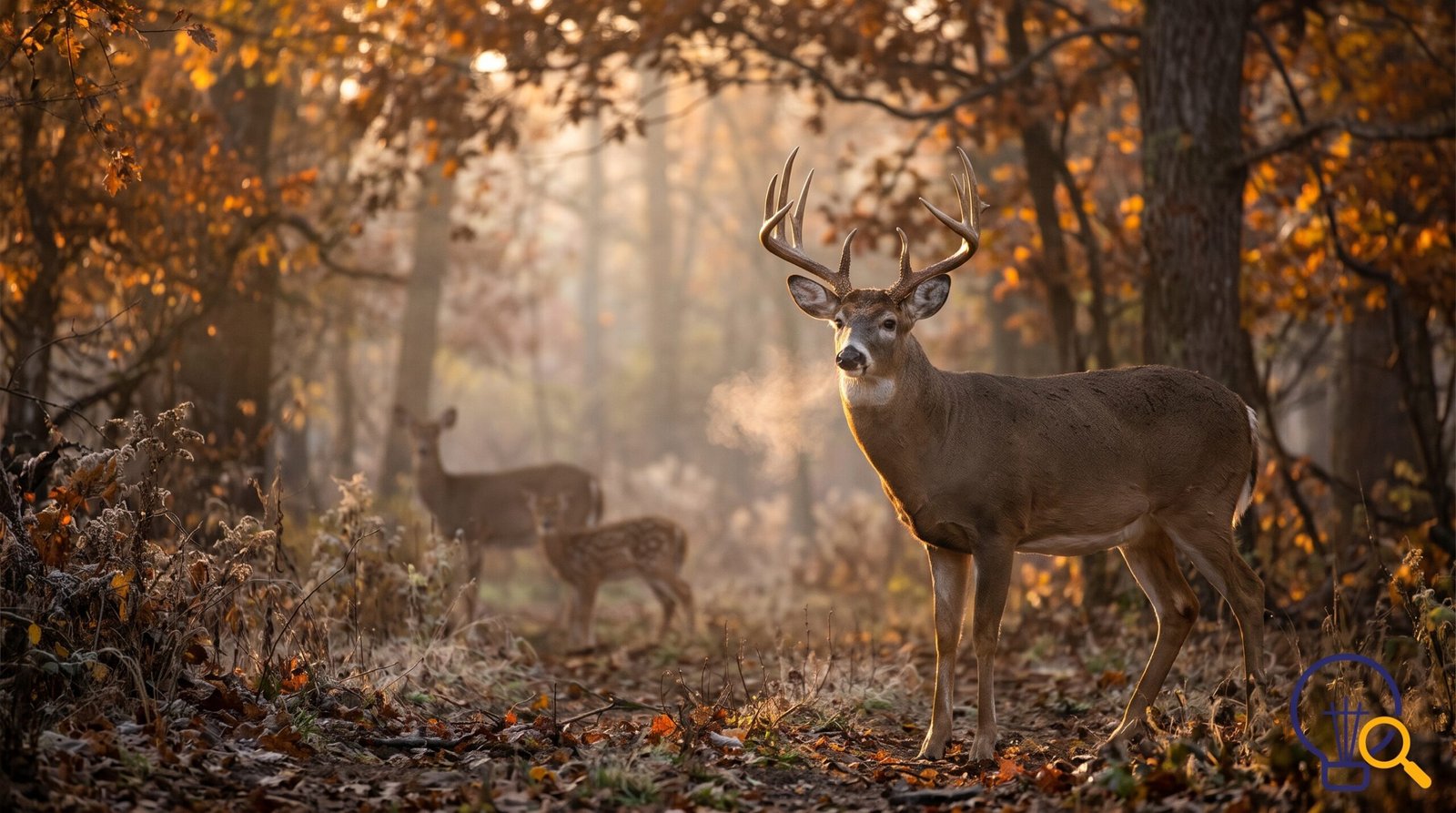

Have you ever watched a deer freeze at the edge of a road, ears twitching, and wondered what it was thinking? Deer are among the most familiar wildlife in America, yet most people know surprisingly little about them.
This guide shares 15 fascinating facts about deer, from the speed of a white-tailed deer to the camouflage behind a fawn’s spots and the odd science of antlers. Wherever possible, the facts come from trusted sources like MassWildlife and the Iowa DNR. Whether you are curious, helping with homework, or tired of deer in your garden, these facts about deer will change how you see them. Let’s start with the ones that surprise people most.
Key takeaways
- Deer are hoofed mammals in the family Cervidae, and the white-tailed deer is the one most Americans see.
- Almost all males grow antlers, which are shed and regrown every year.
- Deer are fast, strong jumpers with excellent hearing and smell.
- They are plant eaters whose diet changes with the seasons.
- Fawns are well hidden, and a lone fawn is rarely abandoned.
- Drivers should be most careful at dawn and dusk, especially in the fall.
Beyond the Spotlight: Facts About Deer You Didn’t Know
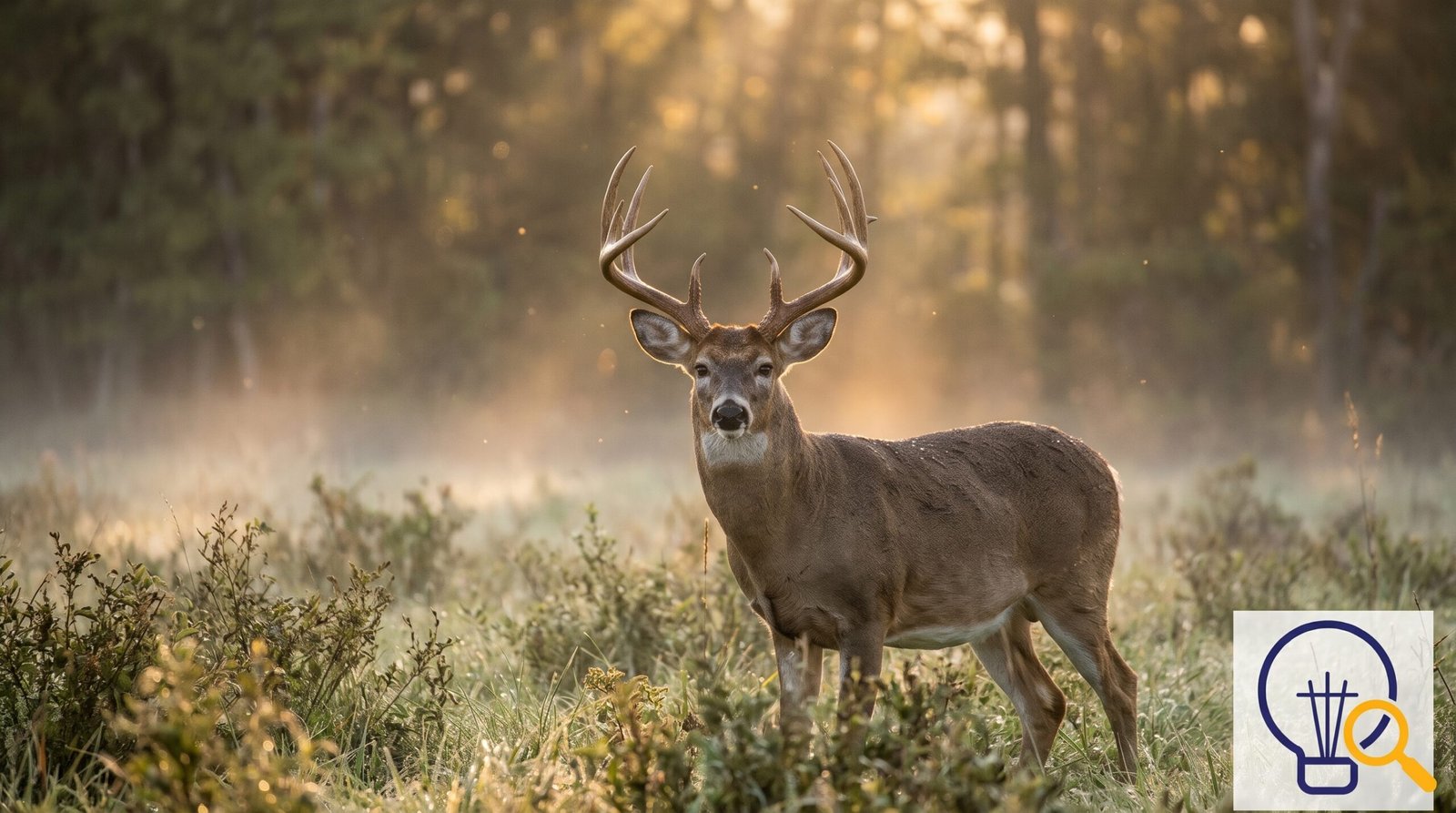
Most people know that deer have antlers and white tails. These five details are far less famous. They are the first five of the 15 surprising facts about deer you’ll find in this article:
- Fact #1: Some does grow antlers. About one in 10,000 female white-tailed deer does, according to Iowa DNR.
- Fact #2: Deer have no upper front teeth. They have a tough dental pad instead.
- Fact #3: Deer have horizontal pupils. The wide, oval shape gives them a panoramic view of the ground around them.
- Fact #4: Deer are strong swimmers. They cross rivers and lakes, and Key deer swim between islands in the Florida Keys.
- Fact #5: Deer have no gallbladder. Horses are built the same way.
Some of these get a closer look below, and ten more follow as you read.
What Is a Deer? Types and Classification
A deer is a hoofed mammal, or ungulate, in the family Cervidae. That family also includes moose, elk, caribou, and reindeer. When most Americans search for facts about deer, they mean the white-tailed deer (Odocoileus virginianus, often just called a whitetail), the species that turns up in backyards, parks, and roadside ditches from Maine to Texas. It is only one member of a much larger family.
A few basic terms help before you go further:
| Term | Meaning |
| Buck | Adult male white-tailed deer (red deer males are stags) |
| Doe | Adult female white-tailed deer (red deer females are hinds) |
| Fawn | A baby deer |
| Herd | A group of deer |
For elk and moose, males are called bulls and females are cows.
How Many Types of Deer Are There?
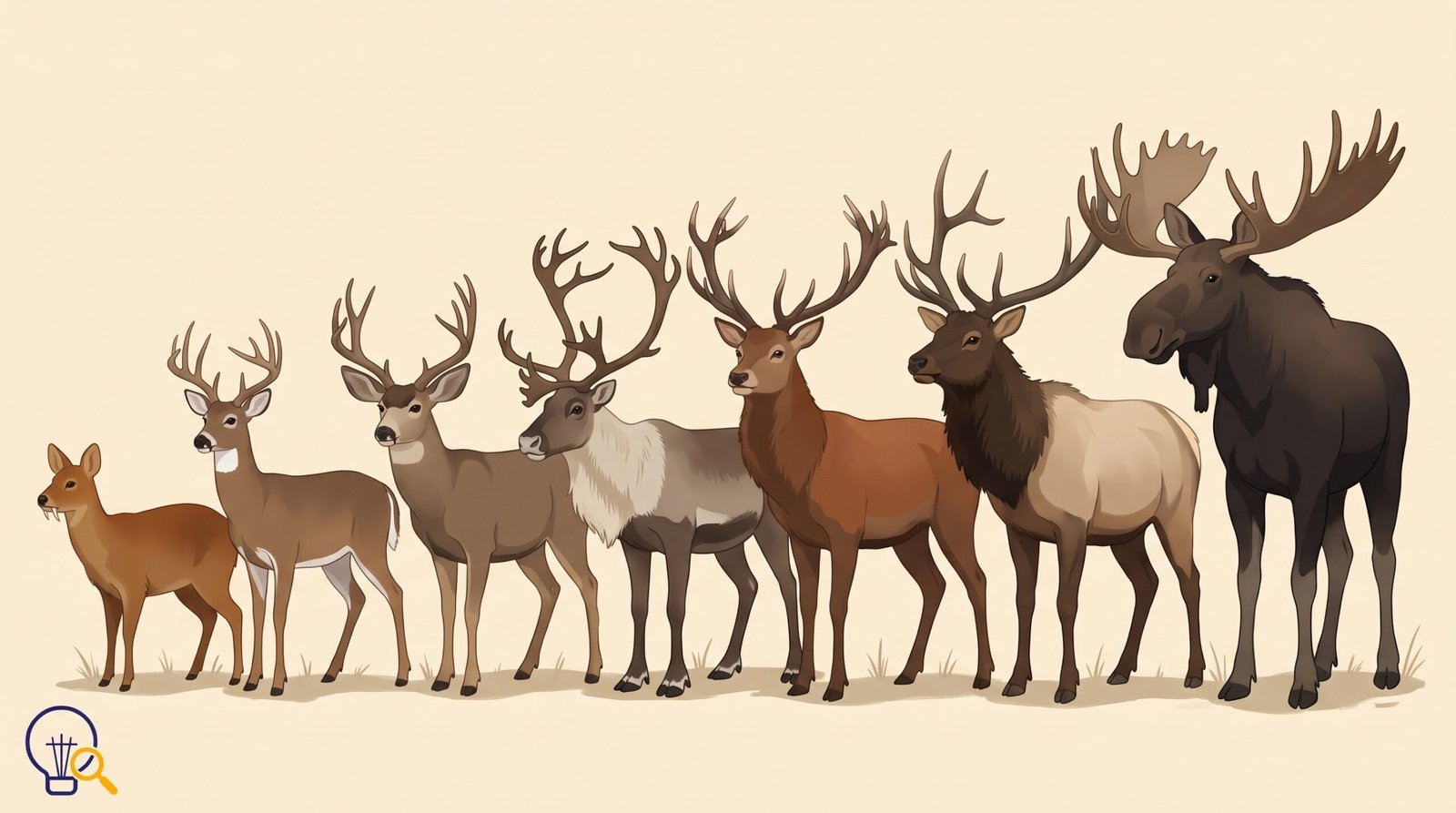
Scientists recognize roughly 45 to 50 deer species, depending on how they sort close relatives. Here are seven worth knowing:
| Deer | Where it lives | Standout trait |
| White-tailed deer | Across the Americas | The most widespread deer in the Western Hemisphere |
| Mule deer | Western North America | Oversized ears and forked antlers |
| Red deer | Europe, western Asia, North Africa | Stags roar loudly during the rut |
| Elk (wapiti) | North America and eastern Asia | Males “bugle” with a high, whistling call |
| Moose | Northern forests worldwide | Broad, paddle-shaped antlers |
| Reindeer / caribou | Arctic and subarctic regions | Both sexes grow antlers |
| Chinese water deer | China and Korea | No antlers at all |
Surprising fact #6: The Chinese water deer skips antlers entirely. Males grow long, curved upper canine teeth that look like small fangs and use them in fights. The species is native to China and Korea, but wild populations have also become established in England, descended from animals that escaped private collections.
Old World vs. New World Deer
One of the quirkier facts about deer classification is that the labels don’t match the map. Biologists often split deer into “Old World” deer (Europe and Asia) and “New World” deer (the Americas), known to scientists as Cervinae and Capreolinae. The split is based on small differences in the side bones of the lower legs, so it follows family lines rather than where the animals live.
That creates some oddities. Moose and reindeer live in both hemispheres, yet they belong to the New World group. So does the roe deer, a small European species. Meanwhile, the elk lives in North America but belongs to the Old World group.
Deer Size and Physical Features
Here are the key facts about deer size, starting with the average adult. A white-tailed deer is about 6 feet long and stands roughly 3 feet tall at the shoulder. MassWildlife reports that bucks average 120 to 160 pounds, while does average 80 to 120.
Their coat changes with the seasons. In summer it is thin and reddish-brown. In winter it turns grayish-brown, and the hairs grow thick and hollow, trapping air for insulation. The coat holds heat so well that snow can sometimes sit on a deer’s back without melting. White fur marks the belly, throat, eye rings, insides of the ears, and underside of the tail all year.
Size also changes with geography. Deer in colder northern regions tend to be larger, while the Key deer of the Florida Keys is a tiny subspecies that usually stays under 80 pounds.
How Big Are Deer Compared to Other Cervidae?
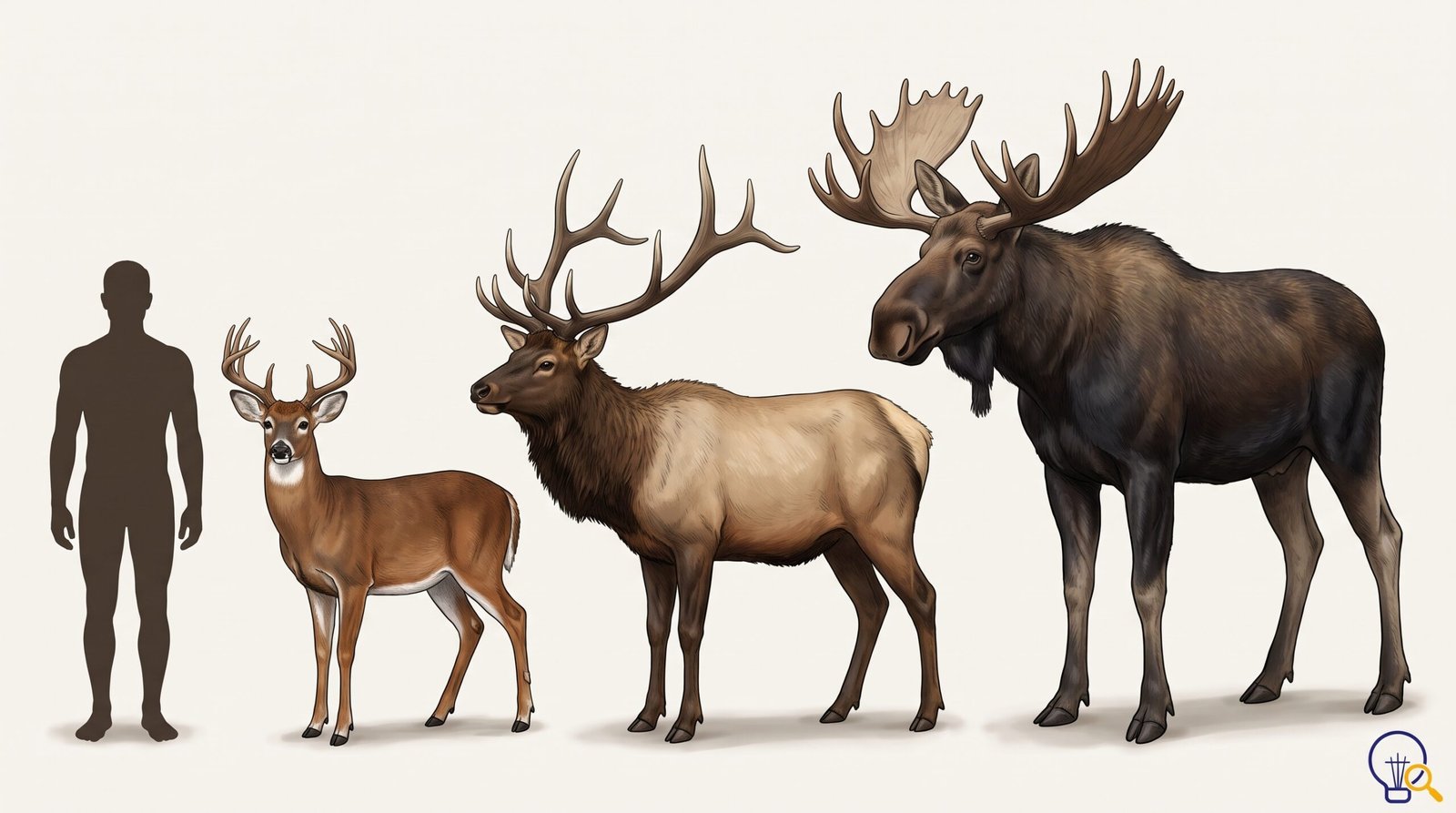
White-tailed deer are among the smaller members of the deer family in North America:
| Animal | Typical adult weight | Shoulder height |
| White-tailed deer | 80–160 lbs | About 3 ft |
| Elk (bull) | Around 700 lbs | About 4–5 ft |
| Moose (bull) | Often 800–1,300 lbs | About 5–6.5 ft |
Surprising fact #7: The deer family has an enormous size range. At the small end, the northern pudu of South America can weigh as little as 7 pounds, about the same as a big house cat. A bull moose can be well over 100 times heavier.
Do All Deer Have Antlers?
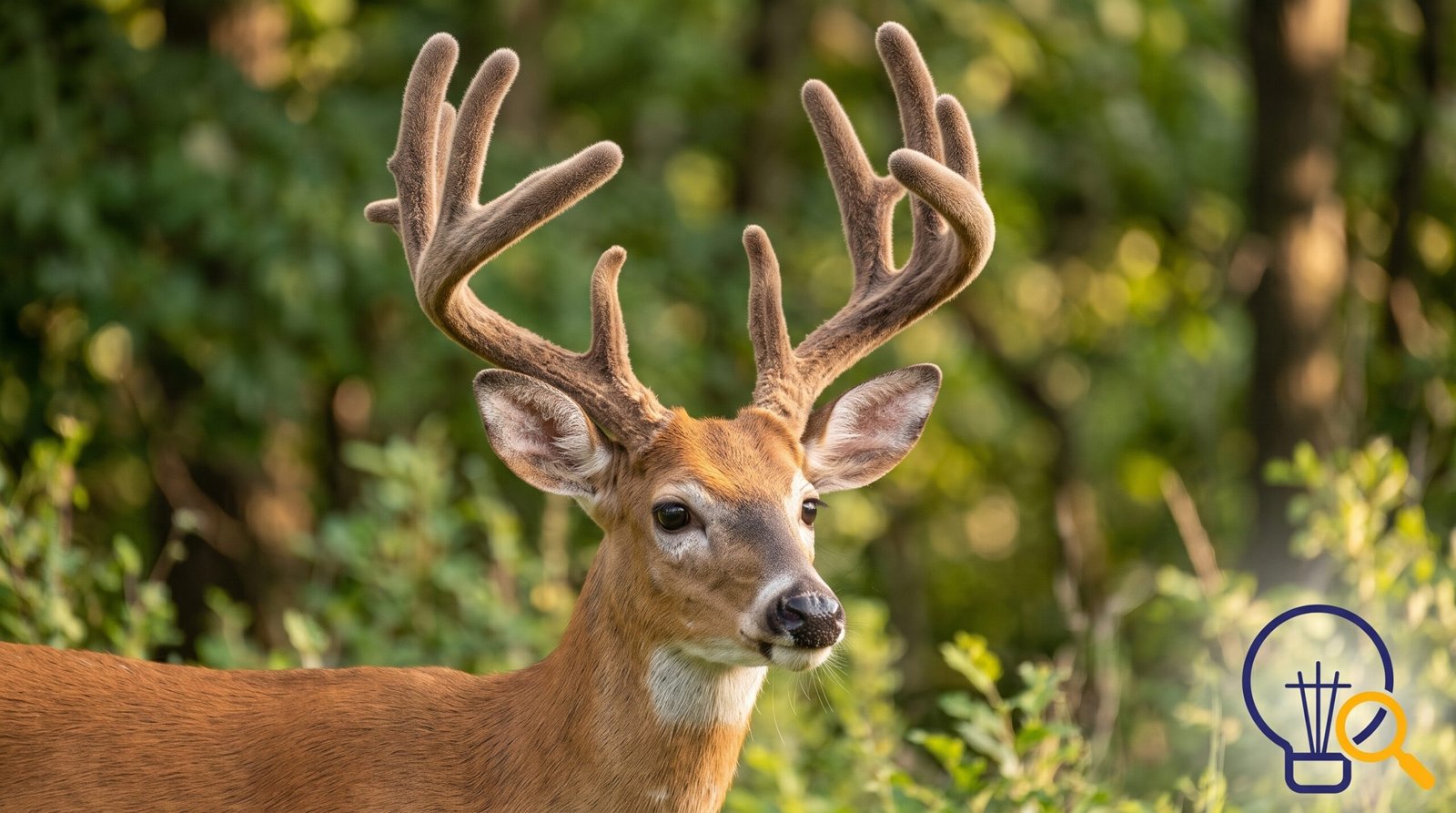
Almost all males do, but not all deer. The Chinese water deer is the exception you met above. Female reindeer regularly grow antlers, and a rare white-tailed doe can too, thanks to unusually high testosterone.
Many people use “antlers” and “horns” as if they mean the same thing. They don’t. Antlers are solid bone that falls off and regrows every year. Horns, like those on cattle, are permanent.
Growing antlers are covered in velvet, a soft skin packed with blood vessels that delivers the nutrients needed for such fast growth. Once the bone hardens, bucks rub the velvet off against trees and brush, usually within a few days.
How Long Does It Take for Antlers to Grow?
A buck starts a new set in spring and usually finishes in late summer, about four to five months later. At peak speed, antlers can add roughly a quarter inch in a single day, which Iowa DNR describes as the fastest-growing tissue known. After the fall breeding season, bucks shed them in late winter, and the cycle begins again.
Even experienced hunters get one of the facts about deer antlers wrong: you cannot reliably tell a buck’s age by counting antler points. Nutrition, genetics, and overall health shape the rack as much as age does. A young buck with excellent food can easily outgrow an older one living on poor range.
Surprising fact #8: Shed antlers do not just sit on the ground. Mice, squirrels, and porcupines gnaw on them for calcium and phosphorus, so a dropped antler often disappears within a year or two.
Which Deer Has the Largest Antlers?
The moose wins, and it is not close. A large bull carries broad, flattened antlers that can span about 6 feet and weigh several dozen pounds. Elk and red deer grow long, branching antlers that look elegant by comparison, but they cannot match the sheer scale of a moose.
Speed and Senses: How Deer Survive
Of all the facts about deer, their survival toolkit is the most impressive. These deer adaptations make a healthy deer very hard to catch.
How Fast Can a Deer Run?
A white-tailed deer can hit about 35 to 40 mph in short bursts and hold roughly 25 mph for longer distances. They are also exceptional jumpers. MassWildlife notes that a deer can clear a barrier up to 9 feet high or 25 feet wide.
That matters if you garden. An ordinary 4-foot fence is barely an inconvenience. Deer often hesitate to jump when they cannot see where they will land, which is why solid or very tall barriers work better. Mule deer add another trick: they bounce with all four feet leaving the ground at once, a gait called stotting that helps on rocky slopes.
Deer Hearing, Smell, and Color Vision
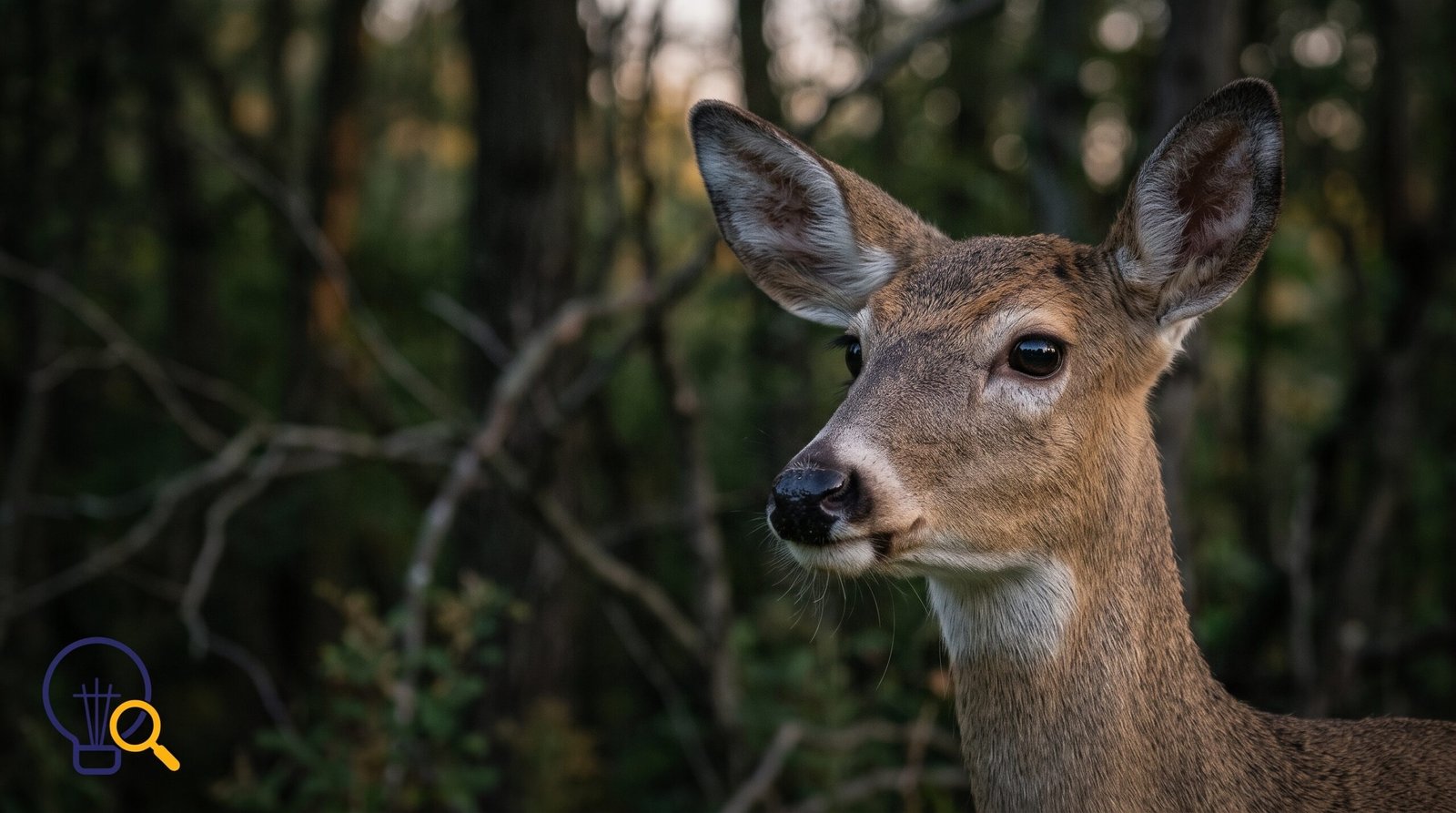
- Hearing: Deer pick up faint sounds and can turn each ear to pinpoint where a noise came from.
- Smell: Their nose is often the first alarm system, warning them of a predator long before they see it.
- Field of view: With eyes on the sides of the head, deer see roughly 300 degrees around them. They are especially good at spotting movement, though they judge depth less precisely than people do.
- Color: Deer have dichromatic vision. They see blues and greens well, but reds and oranges look dull. That is why hunters can wear blaze orange safely: it appears as a muted shade to deer while standing out clearly to other hunters.
Surprising fact #9: Some research suggests deer may also see a little ultraviolet light, which humans can’t. Because some laundry brighteners glow blue under UV, clothes that look plain to you could stand out to a deer.
Are Deer Intelligent?
Yes, far more than their reputation suggests. Deer learn from experience and adjust. When hunting season opens, they often shift to thicker cover and become more active after dark. They also build a detailed mental map of their home range, including feeding spots, escape routes, and safe bedding areas.
The idea of a “deer in headlights” is what gives them a poor reputation. A sudden blast of bright light overwhelms eyes built for dim conditions, and the animal stalls for a moment. It is a reflex, not a lack of brains, and it is one of the more misunderstood facts about deer.
What Do Deer Eat?
Diet is where facts about deer meet everyday life, especially for gardeners. Deer are plant eaters with a specialized digestive system. They have a four-chambered stomach. They swallow food quickly, retreat to a safe spot, then bring it back up and chew it again. This is called chewing cud, and it lets them extract nutrients from tough plants.
Their menu shifts with the seasons:
- Spring and summer: green leaves, herbs, and new growth on woody plants
- Late summer through early winter: acorns, beechnuts, hickory nuts, and soft fruits like apples
- Winter: twigs, shoots, and buds, often eaten near evergreen cover that blocks wind and snow
Surprising fact #10: The microbes living in a deer’s stomach change with the seasons to match the food available. This is a big reason deer can survive winter on woody browse, and it also explains why a sudden switch to rich food can make them seriously ill.
Practical tip for gardeners: Don’t rely on one method. A fence at least 8 feet tall is the most dependable defense, and strongly scented plants such as lavender, sage, and daffodils make the garden less appealing. Even so, a hungry deer will eat plants sold as “deer-resistant,” so combine both approaches.
Are Deer Herbivores or Omnivores?
Deer are herbivores, and plants make up almost everything they eat. Researchers and wildlife cameras have documented deer eating bird eggs, nestlings, or carrion, usually when food is scarce. Those cases are rare.
Where Deer Live: Habitat and Population
Few facts about deer explain their success better than their habitat needs. They thrive in young forests, brushy edges, farmland, and suburban neighborhoods. The key is having food, cover, and water close together. That is why you see so many deer where woods meet fields or lawns, since that edge gives them all three in a small space.
How Many Deer Live in the United States?
Roughly 30 million white-tailed deer live across the country, and Texas has the largest population, estimated at around 5 million. In parts of the West, mule deer and black-tailed deer (a coastal Pacific form of mule deer) replace them.
Surprising fact #11: Population numbers tell a comeback story, and it is among the happier facts about deer. By some estimates, unregulated hunting and habitat loss had pushed the U.S. white-tailed deer population down to roughly half a million animals around 1900. Careful management brought them back to the tens of millions.
Deer in Massachusetts: A Regional Example
Massachusetts shows how local deer live. White-tailed deer are found statewide, and the state manages them through regulated hunting seasons. A doe and her fawns usually stay in a home range of half a square mile to two square miles. Bucks roam wider, about one to four square miles.
Young males leave their mother’s range at around one to one and a half years old in a process called dispersal, which helps prevent inbreeding. MassWildlife reports that some travel from a few miles to more than 20 miles. Outside the breeding season, bucks often form small “bachelor groups” of two to five animals.
Deer Behavior and Daily Habits
Deer communicate constantly, mostly in ways people miss. Scent is one of the least-known facts about deer communication. They have glands on the hind legs and between the hooves that leave chemical signals on the ground and on plants. They also snort, grunt, and bleat, while fawns make soft calls to their mothers. Body language fills in the rest.
Surprising fact #12: During the breeding season, bucks urinate on their own hind legs, where scent glands called tarsal glands pick up the smell. It works like a personal calling card that tells other deer who is nearby.
Weather affects activity too. In warm weather, deer rest in the shade for much of the day and feed when it cools down.
Why Deer Are Most Active at Dawn and Dusk
Deer are crepuscular, which simply means they are busiest at dawn and dusk. Low light helps them avoid predators, and cooler temperatures make feeding more comfortable. Their eyes have a reflective layer that boosts night vision, which is why they glow in headlights. Near people, many deer also feed heavily at night.
What Does a Raised White Tail Mean?
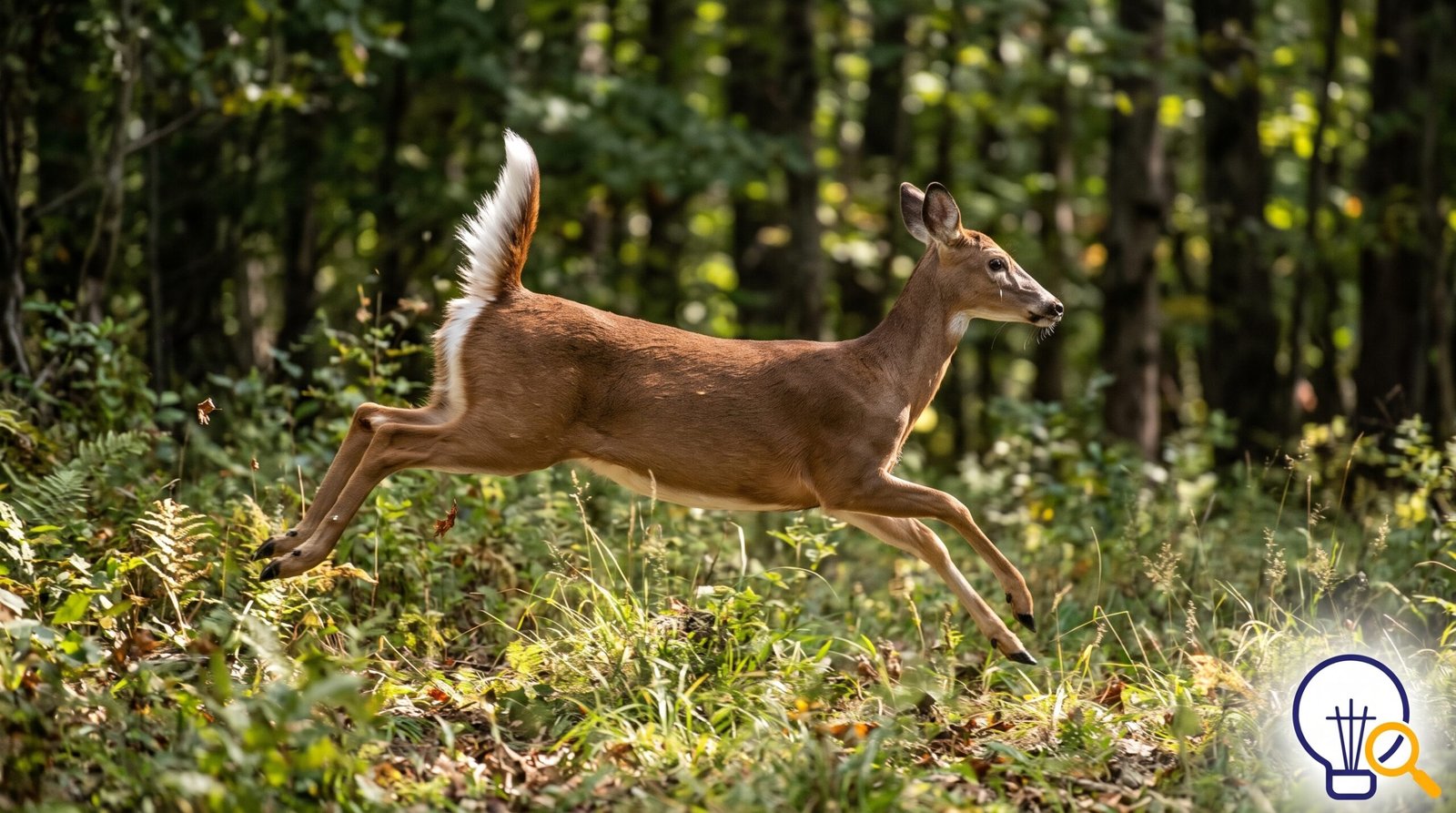
A deer that senses danger raises its tail and shows the bright white underside. This “flag” warns the herd, and as Iowa DNR notes, an upward tail signals danger to deer nearby. The flag also helps young fawns follow their mother through thick brush while running. During the breeding season, does may raise their tails to signal to bucks.
Deer Predators and Defenses
Coyotes, wolves, mountain lions, and bears are the main natural predators of deer, and bobcats and coyotes often target fawns. Humans, through hunting and vehicle collisions, cause more deaths than any natural predator in most regions. Deer rely on their senses, their speed, and the alarm signals above to stay ahead of all of them.
Do Deer Migrate?
Some do. Deer migration is one area where the facts about deer often surprise readers. Deer in places with harsh winters or limited food often move to better ground, while deer with year-round food stay put. In tracking studies, mule deer in the Rocky Mountains have been recorded traveling more than 100 miles between summer and winter ranges.
Surprising fact #13: In snowy northern regions, white-tailed deer often gather in sheltered evergreen areas called “deer yards.” They pack down shared trails in the snow, which saves energy and lets the whole group move and escape predators more easily.
Interestingly, studies suggest that migrating and non-migrating deer survive at similar rates. Both strategies work as long as the animal has what it needs where it lives.
Deer Life Cycle: Mating, Fawns, and Lifespan
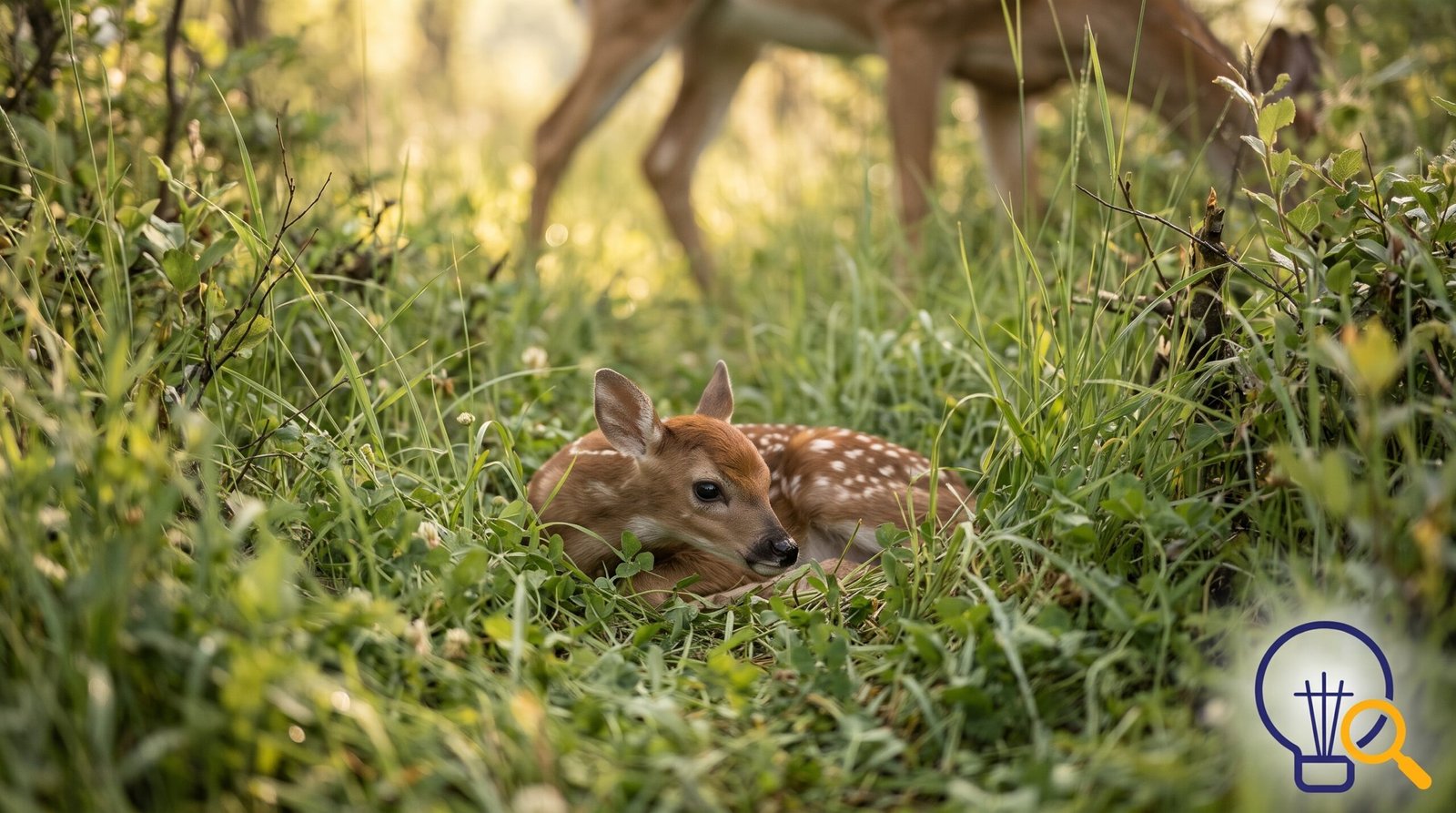
The breeding season, known as the rut or rutting season, takes place in the fall, when bucks compete for does. Most does do not breed until they are about 1.5 years old, and pregnancy lasts around 28 weeks. The early weeks reveal some of the most useful facts about deer for anyone who finds a fawn. Here is how they unfold:
- Birth: Fawns arrive between late May and early July. A doe has one to three, and two is the average. Each weighs about 4 to 6 pounds and can walk within an hour.
- Hiding: For the first weeks, fawns spend most of their time lying still in cover while the mother feeds nearby and returns only briefly. Their white spots mimic patches of sunlight on the forest floor.
- Spots fade: The spots disappear by about three to four months of age.
- Independence: Young bucks leave in the dispersal described earlier, while young does often stay near their mothers.
Surprising fact #14: Newborn fawns give off very little scent, which makes them hard for predators to find. Combined with their spots and stillness, it is a remarkably effective defense.
As for deer lifespan, deer can live more than 10 years in the wild, and females usually outlive males. Many live much shorter lives, though.
If you find a fawn alone, leave it be. Iowa DNR points out that mothers rarely abandon their young, so the doe is probably close by. Call your state wildlife agency or a licensed rehabilitator only if the fawn is clearly injured or you know the mother is dead.
Deer in Culture: Bambi, Folklore, and State Animals
Surprising fact #15: Bambi was not always a white-tailed deer. In Felix Salten’s 1923 novel, the character was a European roe deer. Disney’s film turned him into a white-tailed deer, drawing on the childhood memories of an animator from Maine. A fawn was even sent from Maine to Hollywood for the artists to study.
In Nara, Japan, roughly a thousand or more sika deer roam freely through the city’s park. Tradition links them to a local shrine, where they are considered messengers of the gods, and visitors can watch them bow for special crackers.
Deer hold a place in American symbolism too. Several states, including Arkansas, Illinois, Michigan, Mississippi, New Hampshire, Ohio, Pennsylvania, South Carolina, and Wisconsin, have honored the white-tailed deer with an official state designation, though the exact title differs from state to state. Folklore like this is one of the lighter facts about deer, but it shows how closely people have lived beside them.
Common Deer Myths and Misconceptions
| Myth | Reality |
| Deer are not smart | They learn routes, remember danger, and adapt to hunting pressure |
| Antlers and horns are the same | Antlers are bone that is shed yearly; horns are permanent |
| Antler points show a buck’s age | Nutrition and genetics matter as much as age |
| A lone fawn is abandoned | The mother is almost always nearby and returns to feed it |
| Deer only eat grass | They also eat leaves, nuts, fruit, twigs, and buds |
| Deer are always harmless | Usually calm, but they can be aggressive at times (see the FAQ below) |
| A pronghorn is a deer | Pronghorns belong to a separate family and grow horns |
Clearing these up keeps your facts about deer accurate, whether you’re writing a school report or choosing a garden fence.
Living Alongside Deer: Safety and Conservation
A few smart habits protect both sides, and they matter most when you’re behind the wheel.
How to Avoid Deer Collisions
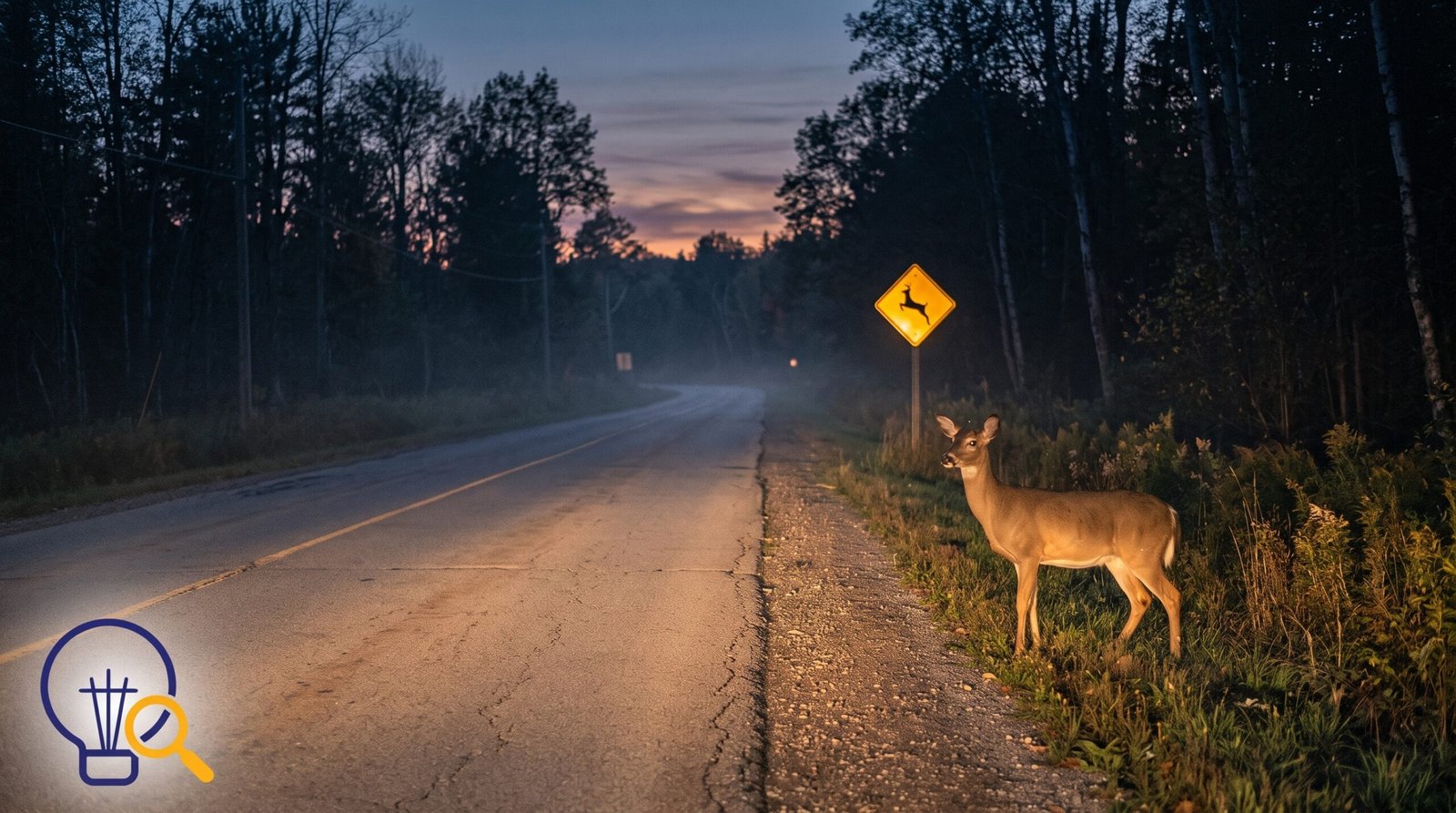
Estimates put deer-vehicle crashes at more than a million a year in the U.S., and the Insurance Institute for Highway Safety reports that roughly 200 people die in them annually. Most happen at dawn and dusk, and the fall rut is the peak season.
- Slow down in wooded areas and near deer crossing signs.
- Use high beams when no one is ahead of you.
- Expect more than one deer. If one crosses, others often follow.
- Brake firmly, but do not swerve. Swerving into another lane or a tree is usually more dangerous than hitting the deer.
- After a crash, pull over, turn on your hazard lights, and call for help. Do not approach an injured deer, because it can kick hard.
Practical tip for daily drivers: On roads you travel often, note where the deer crossing signs are and slow down there at dawn and dusk. Those are the hours when deer move the most.
Deer and ticks: The CDC notes that blacklegged ticks, also called deer ticks, feed on deer, which helps keep tick populations going. The Lyme disease bacteria mainly circulate in small mammals like mice, so deer help ticks survive but don’t directly pass Lyme disease to people. Still, use repellent in tick country, wear light-colored clothes, and check yourself after time in the woods.
How Wildlife Agencies Manage Deer Populations
State wildlife agencies use regulated hunting seasons, population surveys, and management hunts to keep deer numbers in balance with their habitat. As the U.S. Fish and Wildlife Service explains, taxes on hunting gear through the Pittman-Robertson Act of 1937, along with hunting license fees, have helped fund the recovery of deer and other wildlife.
Agencies also monitor chronic wasting disease, a fatal illness that affects deer and related animals, and many states test harvested deer for it. Never feed wild deer. Sudden changes in diet can make them sick, and feeding sites crowd animals together, which helps disease spread. Some states ban the practice outright. For local rules, your state wildlife agency is the best source.
Final Thoughts
Deer are far more than the gentle animals we see in movies. They are fast, smart, and perfectly adapted to the places they live, and every one of these facts about deer shows how well that design works.
Which one surprised you most? The next time you spot a deer at dusk, take a moment to watch its ears and tail. To learn more about the deer in your own area, your state wildlife agency is the best place to start.
Frequently Asked Questions About Deer
How many stomachs does a deer have?
One stomach with four chambers: the rumen, reticulum, omasum, and abomasum. This lets deer chew cud and digest tough plants.
What are deer’s weaknesses?
They see reds and oranges poorly and judge depth less precisely than people do. Fawns are easy prey for coyotes and bobcats, and harsh winters, vehicles, and diseases like chronic wasting disease also take a toll.
What are the most interesting facts about deer?
Antlers regrow every year and can gain about a quarter inch a day. White-tailed deer can sprint 35-40 mph and clear 9-foot barriers, and newborn fawns give off very little scent.
What is a deer’s biggest enemy?
Humans, mainly through hunting and vehicle collisions. Among natural predators, coyotes, wolves, mountain lions, and bears pose the biggest threat, especially to fawns.
What colors do deer avoid?
Deer don’t avoid any color; they just see reds and oranges poorly.
Has a deer ever attacked a human?
Yes. Rutting bucks and does protecting fawns sometimes attack, usually in parks or suburbs. Most incidents cause injuries, and deaths are rare.
