

Poland is a country where medieval towns, dramatic mountain landscapes, centuries-old traditions, and modern cities come together. From the Baltic Sea in the north to the Tatra Mountains in the south, every region has something worth discovering.
These facts about Poland explore its remarkable history, famous landmarks, traditional food, natural wonders, and cultural achievements. You’ll learn why Kraków attracts history lovers, how Warsaw rebuilt its historic centre after World War II, and what makes Polish traditions so distinctive.
Whether you’re planning a visit or simply curious about Europe, this guide introduces the people, places, and stories that make Poland fascinating.
Poland at a Glance
Before exploring the individual facts, here’s a quick overview of the country.
| Category | Information |
| Official name | Republic of Poland |
| Capital | Warsaw (Warszawa) |
| Region | Central Europe |
| Official language | Polish |
| Currency | Polish złoty (PLN) |
| Population | Approximately 37.2 million (2026) |
| Total area | Approximately 313,933 km² |
| Administrative regions | 16 voivodeships |
| Longest river | Vistula (Wisła) |
| Highest point | Rysy, 2,499 metres |
| Largest lake | Śniardwy |
| Sea | Baltic Sea |
| EU membership | Since 1 May 2004 |
Population, area, and geographical figures are based on Statistics Poland’s 2025 data. EU membership information is from the European Union.
Poland’s Geography and Natural Wonders
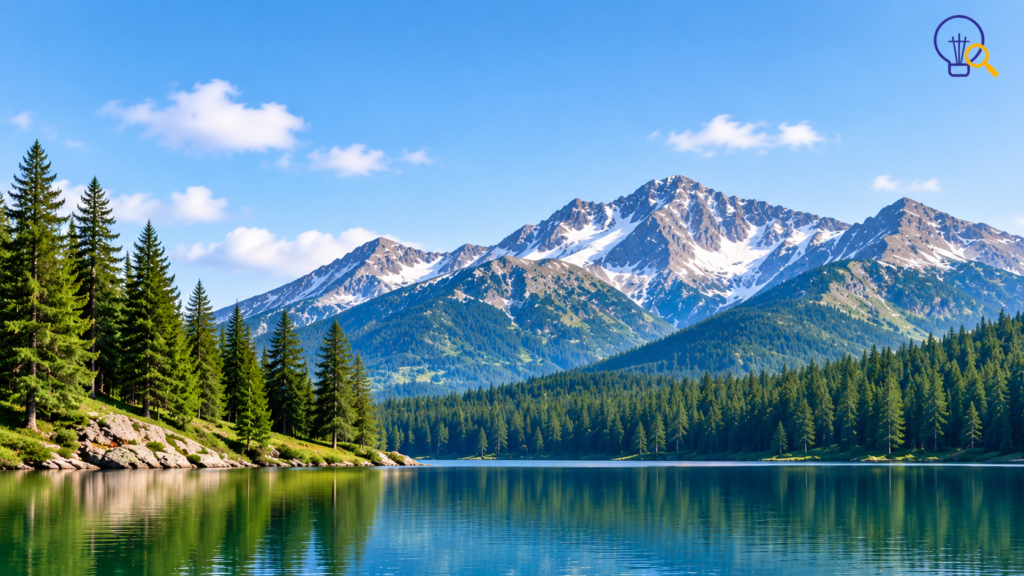
Poland’s landscape is more varied than many visitors expect. It has sandy beaches, ancient forests, thousands of lakes, broad plains, and rugged mountains.
Poland Is Located in Central Europe
Poland is situated in Central Europe and shares land borders with seven countries: Germany, Czechia, Slovakia, Ukraine, Belarus, Lithuania, and Russia’s Kaliningrad region. The Baltic Sea forms its northern coastline. Its location has connected the country with different European cultures and trade routes throughout history.
Warsaw Is Poland’s Capital and Largest City
Warsaw, known locally as Warszawa, is the capital and largest city of Poland. It serves as the country’s political, economic, and cultural centre. The city combines reconstructed historic streets with modern buildings, museums, parks, and lively neighbourhoods.
Poland Has 16 Administrative Regions
The country is divided into 16 provinces called voivodeships. Each region has its own character, traditions, and attractions. For example, Małopolskie is associated with Kraków and the Tatra Mountains, while Pomorskie includes the Baltic coastline and the port city of Gdańsk.
The Vistula Is Poland’s Longest River
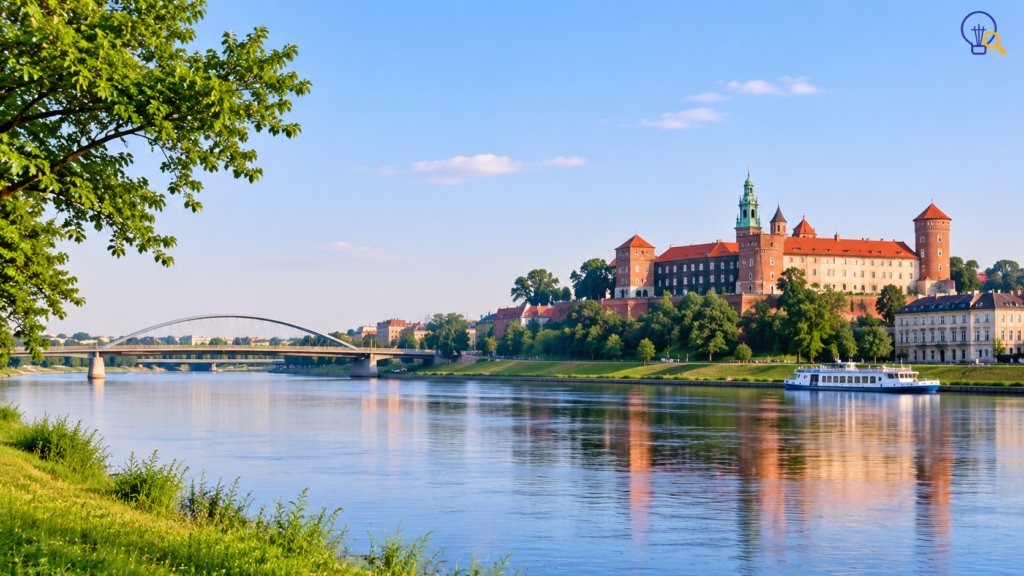
The Vistula, called Wisła in Polish, stretches approximately 1,022 kilometres. It passes through or near important cities, including Kraków and Warsaw, before reaching the Baltic Sea near Gdańsk. For centuries, this waterway has supported transport, trade, settlements, and agriculture.
Masuria Is Famous for Its Lakes
The northeastern region of Masuria is known for its lakes, forests, and sailing routes. It attracts visitors who enjoy kayaking, fishing, boating, and peaceful countryside escapes. The Great Masurian Lakes form one of Poland’s best-known natural recreation areas.
Rysy Is Poland’s Highest Mountain
Rysy reaches 2,499 metres above sea level and stands in the Tatra Mountains on the Polish-Slovak border. Its dramatic peaks and alpine scenery attract hikers and photographers. The surrounding Tatra National Park protects a distinctive mountain environment.
Białowieża Forest Is an Ancient European Woodland
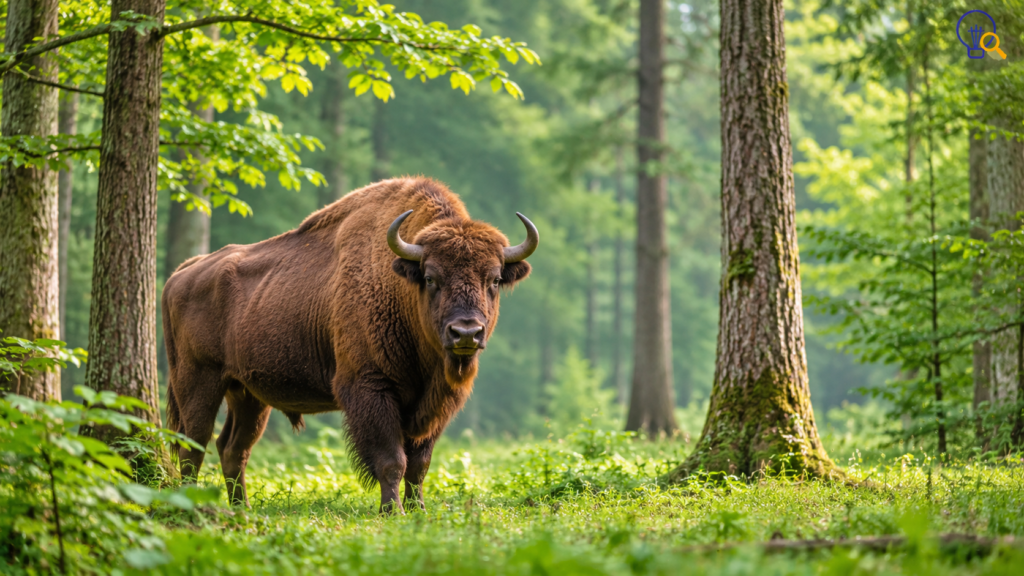
Białowieża Forest stretches across Poland and Belarus. It protects an extraordinary landscape of old-growth woodland and provides a habitat for European bison. UNESCO recognizes the forest as a World Heritage property because of its exceptional natural value.
Poland Has a Coastline Along the Baltic Sea
Poland’s northern edge meets the Baltic Sea. Popular coastal destinations include Gdańsk, Sopot, and Gdynia. Visitors can explore sandy beaches, seaside promenades, historic ports, and coastal landscapes. The region is particularly popular during the warmer months.
Poland’s Remarkable History
Poland’s past includes powerful kingdoms, cultural achievements, periods of foreign rule, and extraordinary national resilience. Its historic sites reveal stories that shaped both the country and Europe.
Poland Adopted Europe’s First Modern Written Constitution
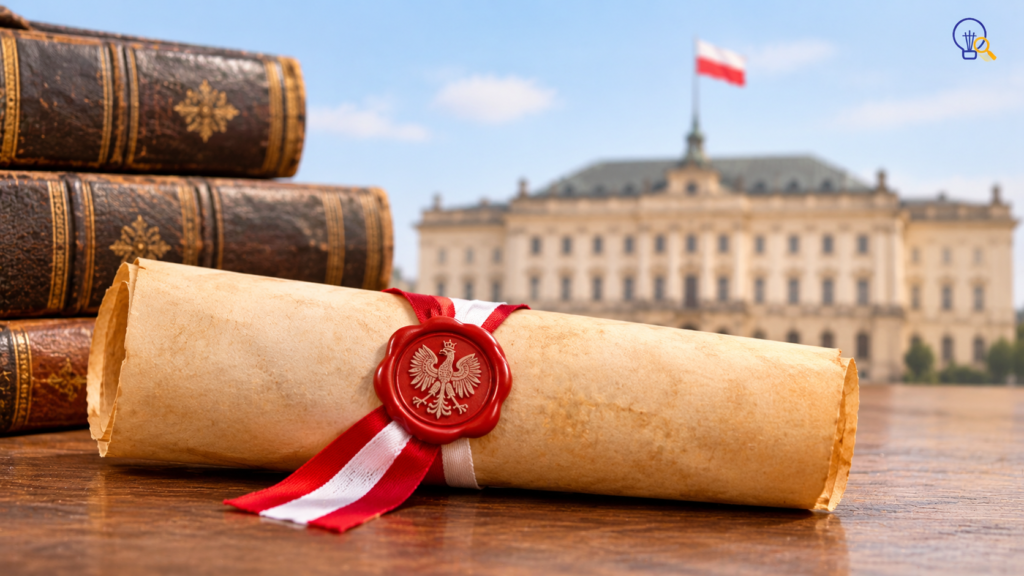
On 3 May 1791, Poland adopted a constitution widely recognized as Europe’s first modern written national constitution. It introduced political reforms during a difficult period for the Polish-Lithuanian Commonwealth. Today, 3 May is celebrated as Constitution Day.
Kraków Was Once Poland’s Royal Capital
Kraków served as Poland’s royal capital for centuries before the political centre moved to Warsaw. Its historic centre features the Main Market Square, Wawel Castle, churches, and medieval streets. UNESCO added the Historic Centre of Kraków to its World Heritage List in 1978.
Warsaw Rebuilt Its Historic Centre After World War II
Much of Warsaw’s historic centre was destroyed during World War II. After the conflict, residents and restoration teams rebuilt many historic buildings using paintings, photographs, and surviving records. UNESCO recognized the Historic Centre of Warsaw as a World Heritage property in 1980.
Malbork Castle Is One of Europe’s Great Medieval Fortresses
Malbork Castle is a vast brick fortress built by the Teutonic Order. Located in northern Poland, it is one of the largest castle complexes in the world by land area. Its defensive walls, courtyards, and Gothic architecture make it an impressive historic attraction.
The Wieliczka Salt Mine Has an Underground World
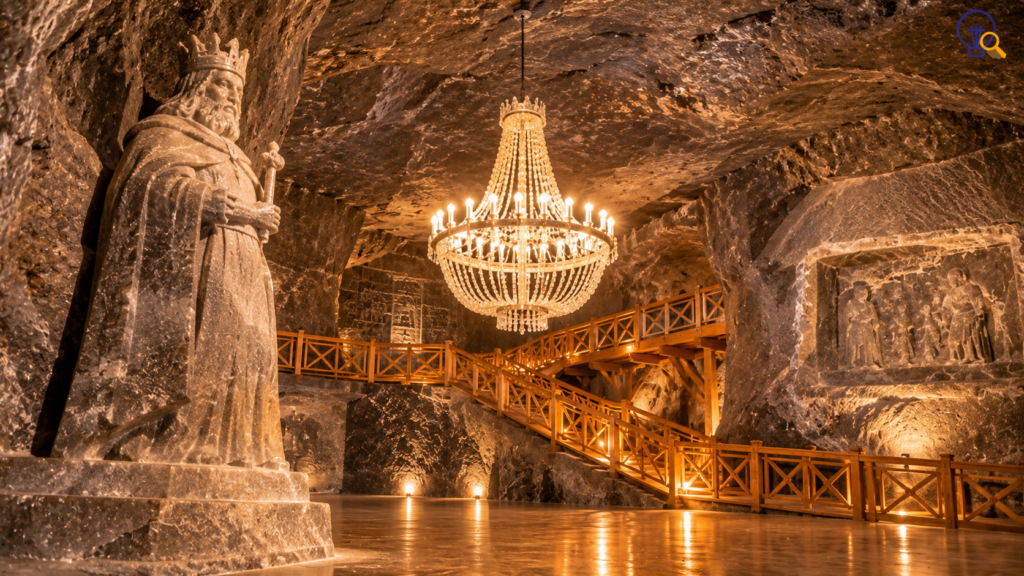
Near Kraków, the Wieliczka Salt Mine contains underground chambers, tunnels, chapels, and sculptures carved from salt. Mining began there in the Middle Ages, and the site became famous for its remarkable underground architecture. It forms part of the UNESCO-listed Wieliczka and Bochnia Royal Salt Mines.
The Solidarity Movement Began in Gdańsk
In 1980, the Solidarity movement emerged from labour protests at the Gdańsk Shipyard. Led by workers and supported by people across Polish society, it became an important force in the country’s political transformation. Gdańsk remains closely associated with this chapter of modern European history.
Poland Experienced Partitions in the Late 18th Century
Between 1772 and 1795, neighbouring powers carried out three partitions of Polish territory. Poland disappeared from the political map as an independent state for more than a century. Its independence was restored in 1918 after the First World War.
Auschwitz-Birkenau Is Preserved as a Memorial
Auschwitz-Birkenau was a German Nazi concentration and extermination camp complex established during World War II in occupied Poland. Today, the Auschwitz-Birkenau Memorial and Museum preserves the site to remember the victims and educate visitors about the Holocaust and Nazi crimes.
Polish Culture and Traditions
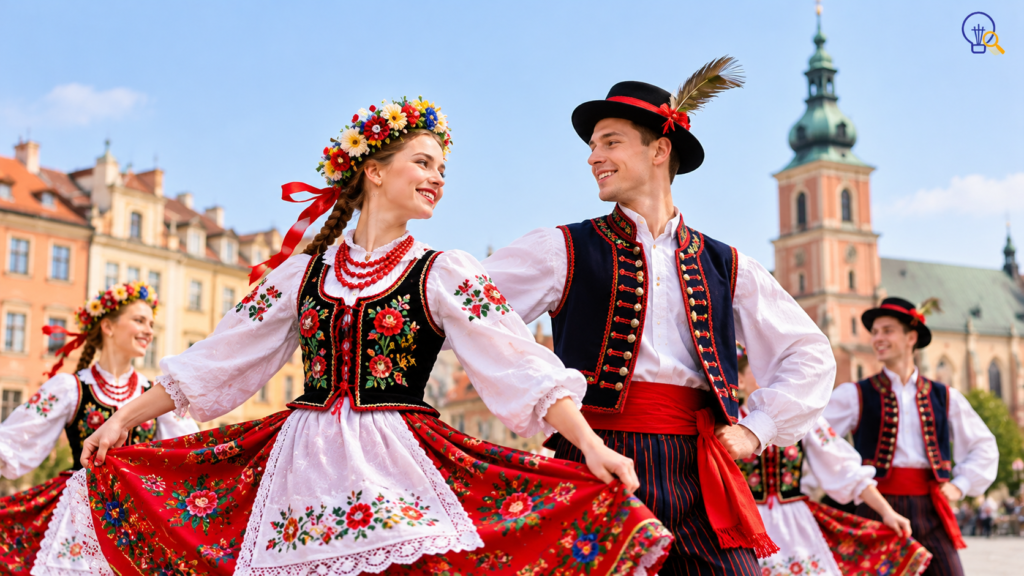
Polish culture reflects centuries of history, family customs, music, and regional celebrations. Many traditions remain part of everyday life, especially during holidays and important family gatherings.
Christmas Eve Is a Major Family Celebration
Christmas Eve, known as Wigilia, holds a special place in Polish culture. Families gather for a festive meal, exchange good wishes, and follow customs passed down through generations. For many households, this evening is one of the most meaningful celebrations of the year.
Families Share a Christmas Wafer Called Opłatek
Before the Christmas Eve meal, many families share a thin wafer called opłatek. They break off pieces, exchange warm wishes, and offer one another good intentions for the coming year. This simple ritual represents togetherness and goodwill.
Some Families Wait for the First Star Before Dinner
A traditional Wigilia meal may begin when the first star appears in the evening sky. The custom symbolizes the Star of Bethlehem. Children sometimes watch the sky eagerly while relatives prepare the Christmas table.
All Saints’ Day Is Observed With Candlelit Cemeteries
On 1 November, many people in Poland visit cemeteries to remember relatives and loved ones who have passed away. They clean graves, place flowers, and light candles. After sunset, the illuminated cemeteries create a moving and peaceful sight.
Fat Thursday Is a Day for Sweet Treats
Fat Thursday, or Tłusty Czwartek, takes place before Lent. It is famous for the tradition of eating doughnuts called pączki and other sweet pastries. Bakeries prepare large batches, and people enjoy these treats with family, friends, or colleagues.
Polish Folk Music Includes Traditional Dances
Poland has several traditional folk dances, including the polonaise, mazurka, and kujawiak. These dances have distinctive rhythms and regional roots. The polonaise, in particular, became closely associated with formal celebrations and Polish cultural identity.
The Polish Alphabet Has Special Letters
Polish uses the Latin alphabet but includes additional letters with diacritical marks, such as ą, ć, ę, ł, ń, ó, ś, ź, and ż. These marks affect pronunciation and distinguish words. The language is known for its distinctive sounds and consonant combinations.
Name Days Are Celebrated Alongside Birthdays
In Poland, a person’s imieniny, or name day, can be an important celebration. Traditional calendars associate particular given names with specific dates. Friends and relatives may offer flowers, cards, or small gifts to mark the occasion.
Poland’s National Anthem Was Written in 1797
Poland’s national anthem is called Mazurek Dąbrowskiego. Józef Wybicki wrote its lyrics in 1797, originally as a song for Polish legions in Italy. It officially became the country’s national anthem on 26 February 1927.
8 Traditional Polish Foods You Should Know
Food is one of the most enjoyable ways to explore a country’s identity. Polish cuisine combines hearty meals, comforting soups, handmade dumplings, fermented ingredients, and delicious desserts.
Pierogi Are Poland’s Famous Dumplings
Pierogi are dumplings made from soft dough and filled with ingredients such as potatoes, cheese, meat, cabbage, mushrooms, or fruit. They can be boiled or fried. Different fillings make them suitable for both savoury meals and sweet desserts.
Bigos Is a Traditional Hunter’s Stew
Bigos is a hearty stew usually prepared with sauerkraut, fresh cabbage, different meats, mushrooms, and spices. It is sometimes called hunter’s stew. The ingredients simmer together slowly, creating a rich flavour that makes this dish especially popular during colder months.
Żurek Is a Distinctive Sour Rye Soup
Żurek is a traditional soup made with fermented rye flour. It often contains sausage, potatoes, and boiled eggs. Some restaurants serve it in a hollowed-out loaf of bread, making the presentation as memorable as its tangy taste.
Barszcz Gets Its Colour From Beetroot
Barszcz is a beetroot-based soup known for its deep red colour. It can be served in different ways depending on the region and occasion. A popular Christmas Eve version is clear and often accompanies small dumplings called uszka.
Oscypek Is a Smoked Mountain Cheese
Oscypek is a distinctive smoked cheese associated with the Podhale region near the Tatra Mountains. Traditionally made from sheep’s milk, it has a firm texture and a slightly salty flavour. It is often served grilled with cranberry sauce.
Gołąbki Are Cabbage Rolls With a Savoury Filling
Gołąbki are cabbage leaves wrapped around a filling commonly made with rice and minced meat. They are usually cooked slowly and served with tomato or mushroom sauce. The name translates literally as “little pigeons,” although the dish contains no pigeon.
Polish Desserts Include Cheesecake and Poppy Seed Cake
Polish bakeries offer a wide range of traditional sweets. Sernik is a popular cheesecake, while makowiec is a rolled cake filled with poppy seeds. Apple cake, gingerbread, and doughnuts are also familiar favourites.
Fermented Foods Are Important in Polish Cooking
Fermentation has long been used in Polish kitchens to preserve seasonal ingredients. Pickled cucumbers and sauerkraut are common examples. These foods add a tangy flavour to meals and appear in soups, salads, stews, and side dishes.
Famous People from Poland
Poland has produced influential scientists, composers, writers, mathematicians, and athletes. Their achievements have reached far beyond the country’s borders.
Nicolaus Copernicus Changed How People Understood the Solar System
Nicolaus Copernicus was a Renaissance-era astronomer whose work helped establish the heliocentric model. This model placed the Sun near the centre of the planetary system rather than Earth. His ideas transformed astronomy and influenced later scientific discoveries.
Marie Curie Was Born in Warsaw
Marie Skłodowska-Curie was born in Warsaw in 1867. She became a pioneering physicist and chemist known for her research on radioactivity. She was the first woman to receive a Nobel Prize and remains the only person to win Nobel Prizes in two different scientific fields.
Frédéric Chopin Became a Famous Composer
Frédéric Chopin was born in Poland in 1810 and became one of the most influential composers of the Romantic period. His piano compositions remain widely performed. Warsaw also hosts the International Chopin Piano Competition, which has been held since 1927.
Wisława Szymborska Won the Nobel Prize in Literature
Wisława Szymborska was a Polish poet whose work explored everyday life, human nature, and philosophical questions. She received the Nobel Prize in Literature in 1996. Her poetry is admired for its thoughtful observations and understated humour.
Olga Tokarczuk Is an Internationally Recognized Writer
Olga Tokarczuk is a Polish novelist and essayist who received the 2018 Nobel Prize in Literature. Her writing often explores identity, travel, history, and the connections between people and places. Her books have been translated into numerous languages.
Stefan Banach Helped Shape Modern Mathematics
Stefan Banach was a Polish mathematician and one of the founders of modern functional analysis. His work became important in several areas of mathematics. The Banach space, a fundamental concept in mathematical analysis, carries his name.
Robert Lewandowski Is a Famous Polish Footballer
Robert Lewandowski is one of Poland’s most recognized football players. Known for his goal-scoring ability, he has played for major European clubs and represented the Polish national team in international competitions.
Iga Świątek Made History in Polish Tennis
Iga Świątek became the first Polish player to win a Grand Slam singles title. Her success helped bring greater international attention to Polish tennis. She has also reached the top position in the women’s singles rankings.
Kamil Stoch Is a Multiple Olympic Gold Medalist
Kamil Stoch is one of Poland’s most successful ski jumpers. He has won three individual Olympic gold medals, along with major international titles. His achievements have made him a prominent figure in Polish winter sports.
Famous Places and Unique Facts About Poland
Beyond its famous people and traditional food, Poland has unusual attractions, historic cities, and national features that make it memorable.
Gdańsk Is Famous for Its Amber Heritage
Gdańsk has a long association with amber, a fossilized tree resin prized for its warm colours and natural patterns. The city became an important centre for amber trading and craftsmanship. Today, visitors can explore jewellery shops and museums dedicated to this material.
Toruń Is Known for Its Gingerbread
The medieval city of Toruń is famous for pierniki, its traditional gingerbread. The sweet has been produced in the city for centuries and remains part of its culinary identity. Toruń’s historic centre is also a UNESCO World Heritage property.
Wrocław Is Famous for Its Small Bronze Dwarfs
Wrocław is known for its small bronze dwarf statues placed throughout the city. These figures have become a popular attraction, and visitors enjoy searching for them while exploring streets, squares, and public spaces.
Zamość Is Known for Its Renaissance Architecture
Zamość was designed in the late 16th century as an ideal Renaissance town. Its planned layout, arcaded buildings, and impressive market square give it a distinctive appearance. UNESCO recognized its historic centre as a World Heritage property in 1992.
Poland Has 18 UNESCO World Heritage Properties
Poland has 18 properties on UNESCO’s World Heritage List according to the current country listing, including the Gdynia Modernist City Centre added in 2026. These sites include historic cities, castles, mines, and natural areas. The number can change as new properties are added.
Poland Uses the Złoty Instead of the Euro
Poland’s official currency is the złoty, abbreviated as PLN. One złoty is divided into 100 groszy. Although Poland is a member of the European Union, it has retained its own national currency rather than adopting the euro.
Poland Joined the European Union in 2004
Poland became a member of the European Union on 1 May 2004. Membership expanded its connections with other European countries through trade, education, travel, and cooperation.
Poland Joined the Schengen Area in 2007
Poland joined the Schengen Area on 21 December 2007. This arrangement allows eligible travellers to cross borders between participating countries without routine internal border checks, subject to applicable rules and temporary exceptions.
Jagiellonian University Was Founded in 1364
Jagiellonian University in Kraków is one of the oldest universities in Europe. Founded in 1364, it has educated generations of scholars, scientists, and public figures. Nicolaus Copernicus is among its most famous historical students.
Poland’s National Flag Has Two Horizontal Colours
Poland’s national flag consists of two horizontal stripes: white on top and red underneath. These colours are associated with the country’s national identity and are displayed during public holidays, sporting events, and other important occasions.
Frequently Asked Questions About Poland
What Is Poland Famous For?
Poland is famous for its medieval cities, rich history, traditional dishes, classical music, scientific achievements, and beautiful natural landscapes. Kraków, Warsaw, pierogi, Chopin, and the Tatra Mountains are among its best-known attractions.
What Is the Capital of Poland?
Warsaw is the capital and largest city of Poland. It is the country’s political, economic, and cultural centre.
What Language Do People Speak in Poland?
Polish is the official language. English is also spoken by many people, particularly in larger cities, universities, and tourist areas.
What Is Traditional Polish Food?
Popular traditional dishes include pierogi, bigos, żurek, barszcz, gołąbki, and oscypek. Polish cuisine also includes a wide selection of cakes and pastries.
Is Poland Part of the European Union?
Yes. Poland joined the European Union on 1 May 2004. It is also part of the Schengen Area, although its official currency remains the złoty.
What Are the Most Famous Places to Visit in Poland?
Popular destinations include Warsaw, Kraków, Gdańsk, Wrocław, the Tatra Mountains, Malbork Castle, Wieliczka Salt Mine, and Białowieża Forest.
How Many UNESCO World Heritage Properties Does Poland Have?
Poland currently has 18 UNESCO World Heritage properties, including cultural and natural sites. The latest addition is the Gdynia Modernist City Centre, inscribed in 2026.
Is Poland an Expensive Country to Visit?
Travel costs depend on the city, season, and type of accommodation. Warsaw and Kraków can be more expensive than smaller towns, while public transport and local restaurants may offer budget-friendly choices.
Final Thoughts
Poland is much more than a destination filled with historic buildings. It is a country shaped by remarkable people, meaningful traditions, distinctive food, and landscapes that range from quiet lakes to dramatic mountain peaks. Its past tells stories of hardship and resilience, while its cities reveal a lively modern culture.
These facts about Poland offer just a glimpse of what makes the country interesting. Whether you’re fascinated by Marie Curie’s scientific achievements, curious about traditional pierogi, or eager to explore Kraków’s medieval streets, there is always something new to discover.
