
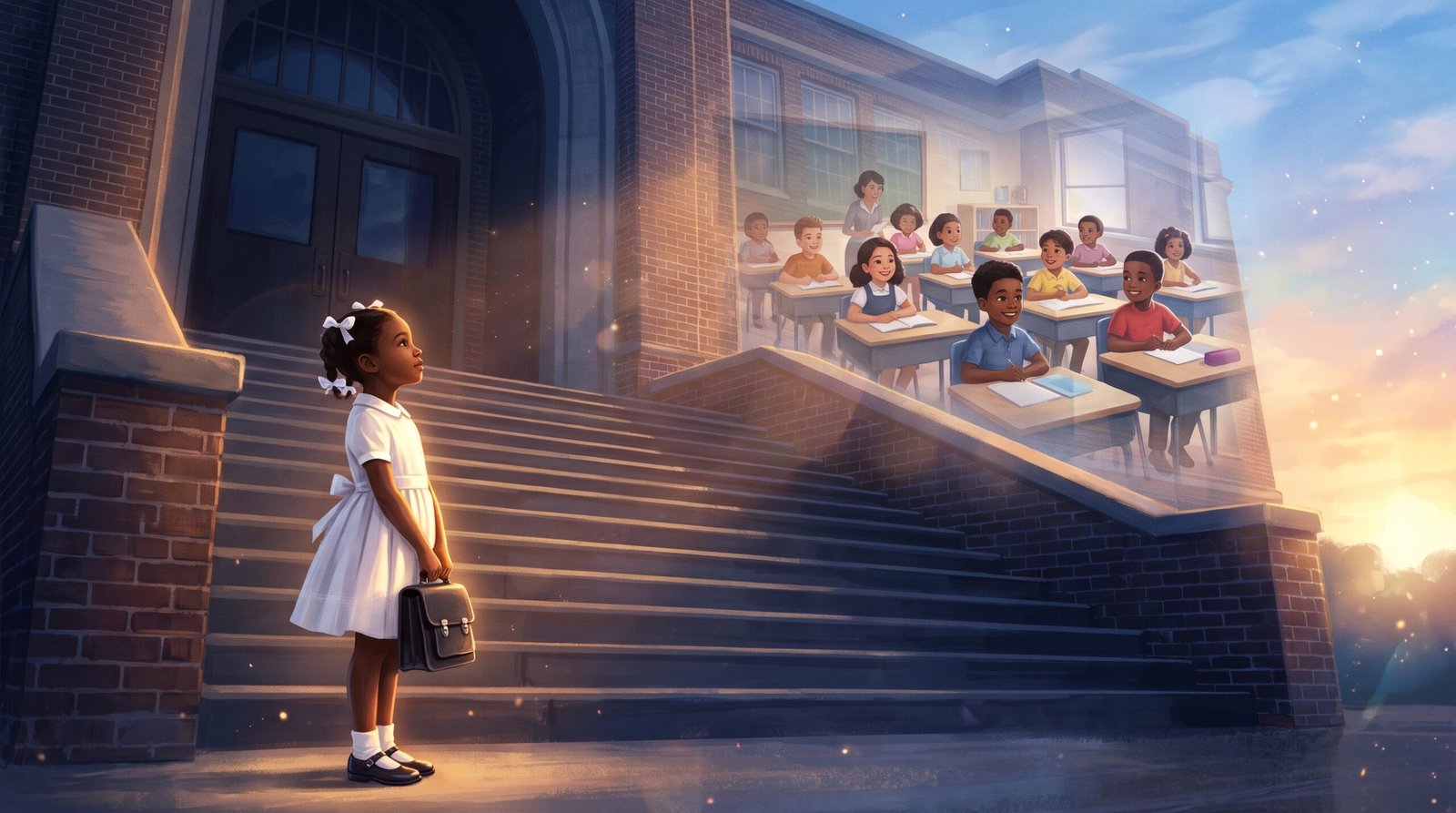

At just six years old, Ruby Bridges walked past an angry mob to attend an all-white school in New Orleans. She did it with federal marshals at her side and the whole country watching.
How did a first grader become a civil rights icon? If you are searching for clear, accurate facts about Ruby Bridges, you are in the right place. Ruby Bridges (born 1954) became the first Black child to attend William Frantz Elementary School in New Orleans on November 14, 1960. This guide covers her early life, the history behind school desegregation, what she faced inside the classroom, and the work she has done since. You will also learn which common myths are wrong. November 14, 2026 marks 66 years since her walk, so it is a good time to revisit her story.
Top Facts About Ruby Bridges at a Glance
Short on time? Start here.
| Quick Fact | Detail |
| Full name | Ruby Nell Bridges Hall |
| Born | September 8, 1954, in Tylertown, Mississippi |
| Grew up in | New Orleans, Louisiana |
| Date of her historic walk | November 14, 1960 |
| Age that day | 6 years old |
| School | William Frantz Elementary School |
| Escorted by | U.S. Marshals and her mother |
| First teacher | Barbara Henry, from Boston |
| Her foundation | The Ruby Bridges Foundation, founded in 1999 |
| Famous artwork | The Problem We All Live With by Norman Rockwell |
And here are the key points to remember:
- Ruby was the first African American child to attend William Frantz Elementary, a formerly all-white school.
- She was a first-grade student when she integrated her school.
- She was the only student in her class for the entire school year.
- She never missed a day of school, despite the threats.
- She ate only food from home because of a threat to poison her.
- Norman Rockwell painted her walk, and the painting later hung at the White House.
- She received the Presidential Citizens Medal in 2001.
Who Is Ruby Bridges?
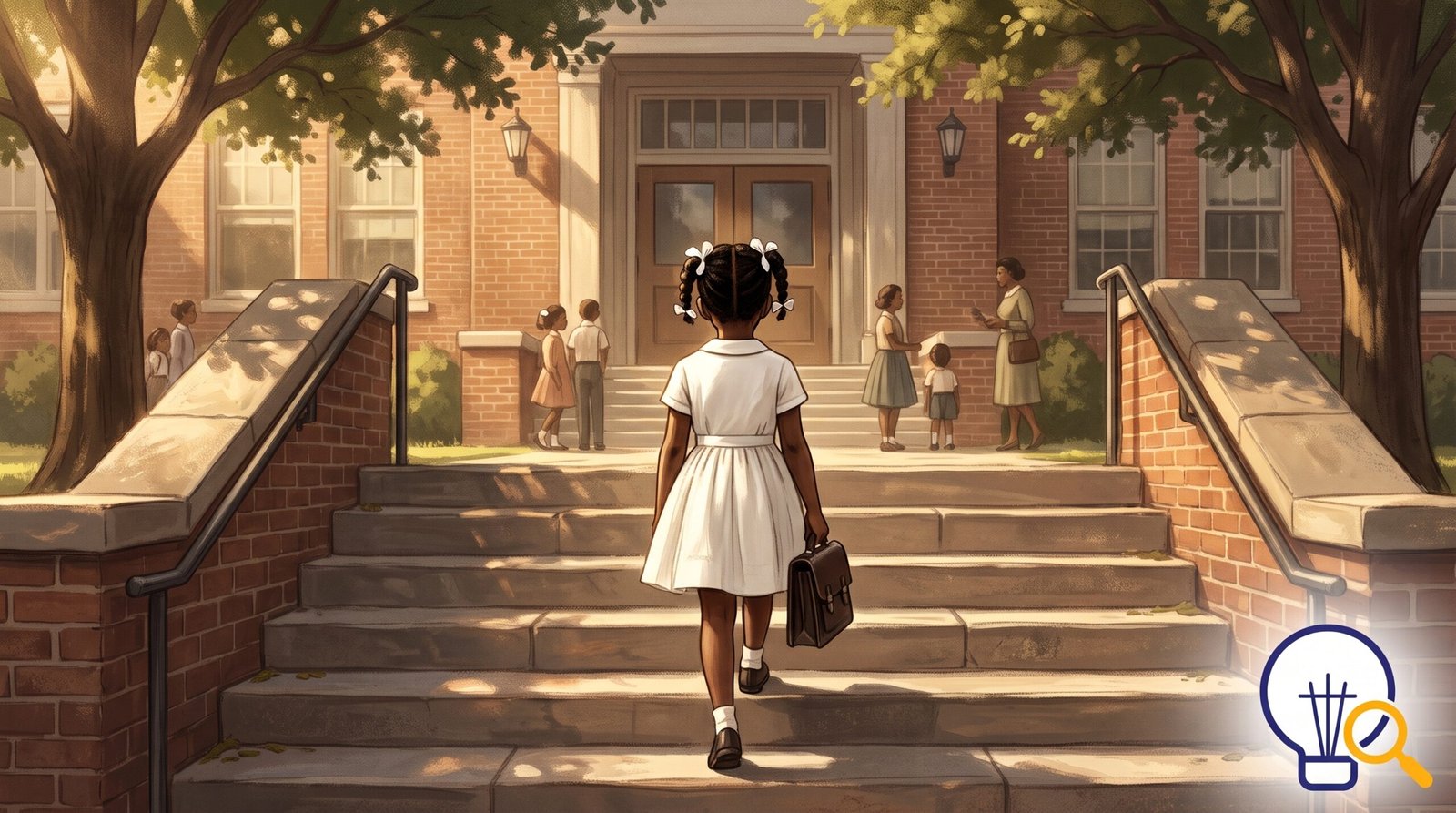
Ruby Bridges is an American civil rights activist, author, and speaker. She became the first Black child to attend William Frantz Elementary during the New Orleans school desegregation crisis.
That is why she is famous, but it is only part of the story. She has spent decades since then doing the work of education and advocacy, long after the cameras left.
Adults made this plan, and a six-year-old carried it out. Ruby did not set out to be a trailblazer. She was a little girl who was asked to go to a new school, and she went. That is what makes her courage and bravery so striking.
Ruby Bridges’ Early Life and Family Background
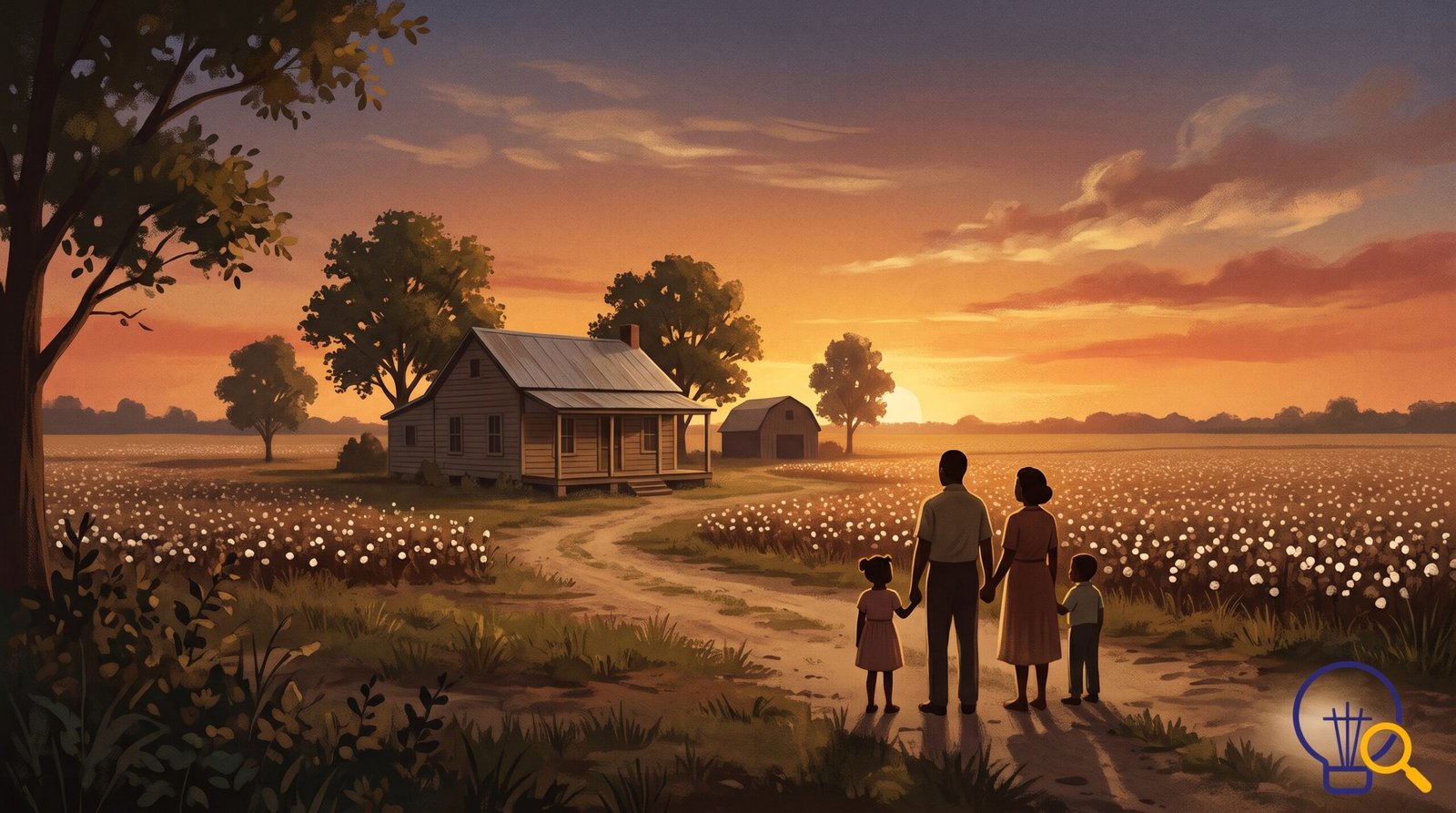
Ruby was born in rural Mississippi. Her grandparents were sharecroppers, which meant they farmed land they did not own and handed over part of the crop. When Ruby was about four, her parents, Abon and Lucille Bridges, moved the family to New Orleans. They hoped for better jobs and a better education for their children.
Ruby was the oldest child, so she spent a lot of time looking after her younger siblings. She was also a regular kid who liked jumping rope, playing softball, and climbing trees.
Her mother’s story helps explain what came next. Lucille had to leave school around the eighth grade to work in the fields with her parents. She knew what a missing education could cost, and she wanted more for Ruby. That belief drove the family’s decision.
The Historical Context: Brown v. Board and New Orleans Schools
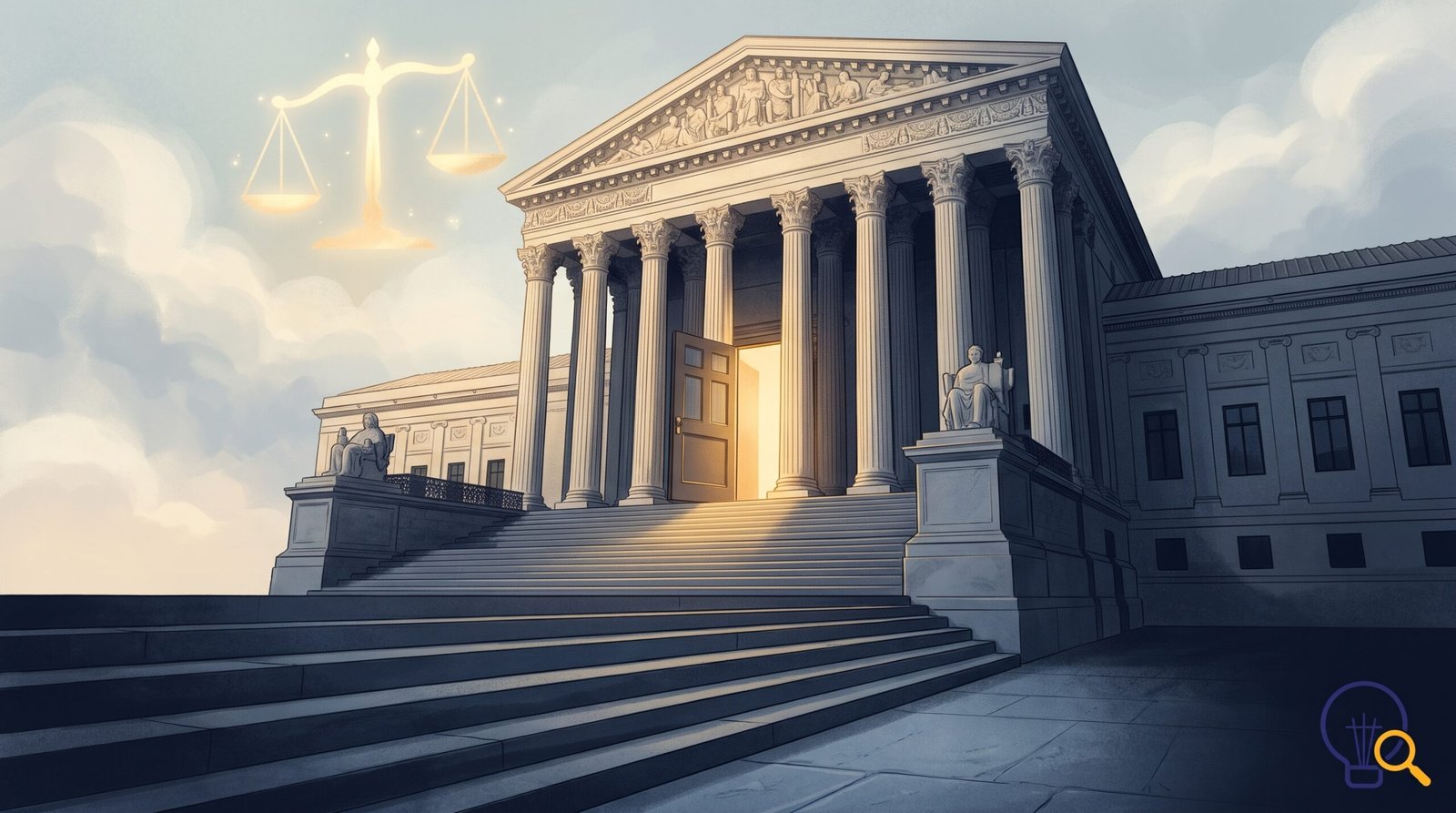
To understand why Ruby’s walk mattered, you need to know what came before it.
For decades, Jim Crow laws enforced racial segregation across the South. In 1896, the Supreme Court ruled in Plessy v. Ferguson that “separate but equal” facilities were legal. In practice, schools for Black children were rarely equal. They usually had fewer resources and older books.
Then, in May 1954, about three months before Ruby was born, the Supreme Court decided Brown v. Board of Education. It ruled that separate public schools for Black and white children were unconstitutional. That decision was a huge step toward equal education.
Still, a ruling on paper did not change schools overnight. Many southern states fought it for years. In 1957, federal troops had to escort the Little Rock Nine into a high school in Arkansas. Louisiana held out even longer. Only after a federal court order from Judge J. Skelly Wright did New Orleans schools begin to desegregate in November 1960.
A quick vocabulary check can help here:
- Segregation: keeping people separate by race.
- Desegregation: the process of ending that separation.
- Integration: people of different races actually learning and living together.
The Entrance Test Ruby Had to Pass
Many short summaries skip this detail. The Orleans Parish School Board gave Black kindergartners a difficult entrance exam. The goal was to keep as many Black children as possible out of white schools.
According to most accounts, six children in New Orleans passed (a few reports say five). Two chose to stay at their old schools. Three girls, Leona Tate, Tessie Prevost, and Gail Etienne, went to McDonogh No. 19 Elementary. Ruby went to William Frantz by herself.
The NAACP had asked families to take part. Ruby’s father was hesitant because he worried about what might happen. Her mother felt strongly that this step was needed, not only for Ruby but for Black children everywhere. In the end, Lucille convinced him.
November 14, 1960: The Day Ruby Integrated William Frantz Elementary
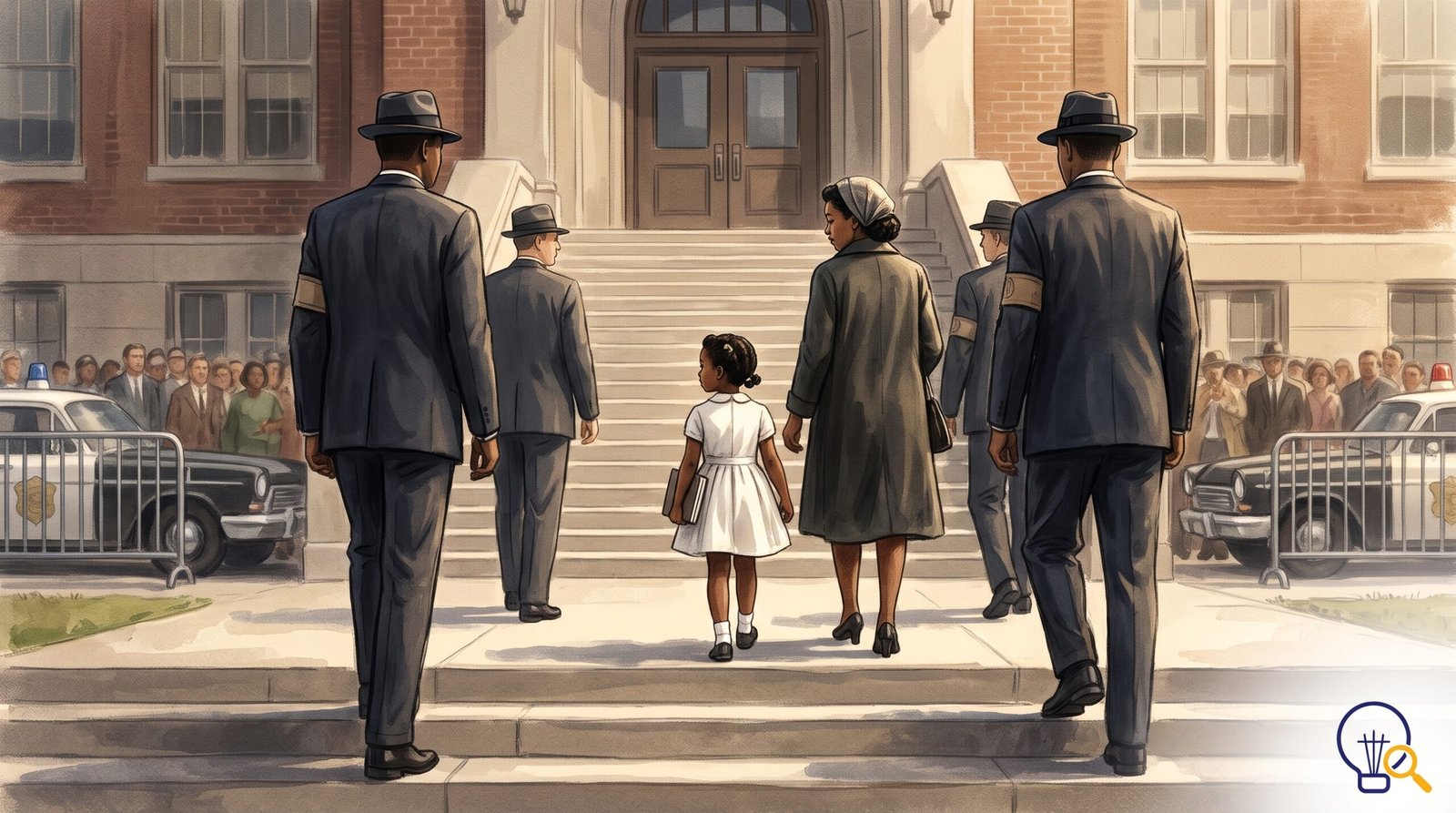
On the morning of the school integration, Ruby rode to school and saw a huge crowd in front of the building. She later said she thought it was Mardi Gras, because crowds in New Orleans often shouted and threw things during that celebration. She had no idea the noise was aimed at her.
When Ruby and her mother got inside, they were taken straight to the principal’s office, where they spent the entire day. White parents rushed into the building and took their children out. Ruby has recalled that about 500 children were pulled out that day. Almost every teacher also refused to work while a Black child was enrolled.
The Federal Marshals Who Escorted Her
Ruby was escorted by U.S. Marshals because of the threats and the resistance to the court order. The U.S. Marshals Service is the federal agency that enforces court orders, which is exactly what this was.
One of the marshals, Charles Burks, said years later that Ruby showed great courage. She did not cry or complain. She simply kept walking. He and Ruby reunited several times as adults, and in August 2000 she was named an Honorary Deputy U.S. Marshal.
Protests, Threats, and the School Boycott
The protests were frightening, not just loud. Protesters and segregationists gathered every morning. One woman reportedly threatened to poison Ruby. Another held up a black doll in a small coffin. Because of the poison threat, marshals let Ruby eat only food she brought from home.
The boycott began to crack on day two. A Methodist minister named Lloyd Anderson Foreman walked his five-year-old daughter, Pam, through the crowd. He said he simply wanted the right to take his child to school. A few days later, other white families began returning, and the protests slowly eased. Fifty years later, in 2010, Ruby and Pam Foreman Testroet held a reunion at the school.
A Year of Isolation and the People Who Supported Ruby
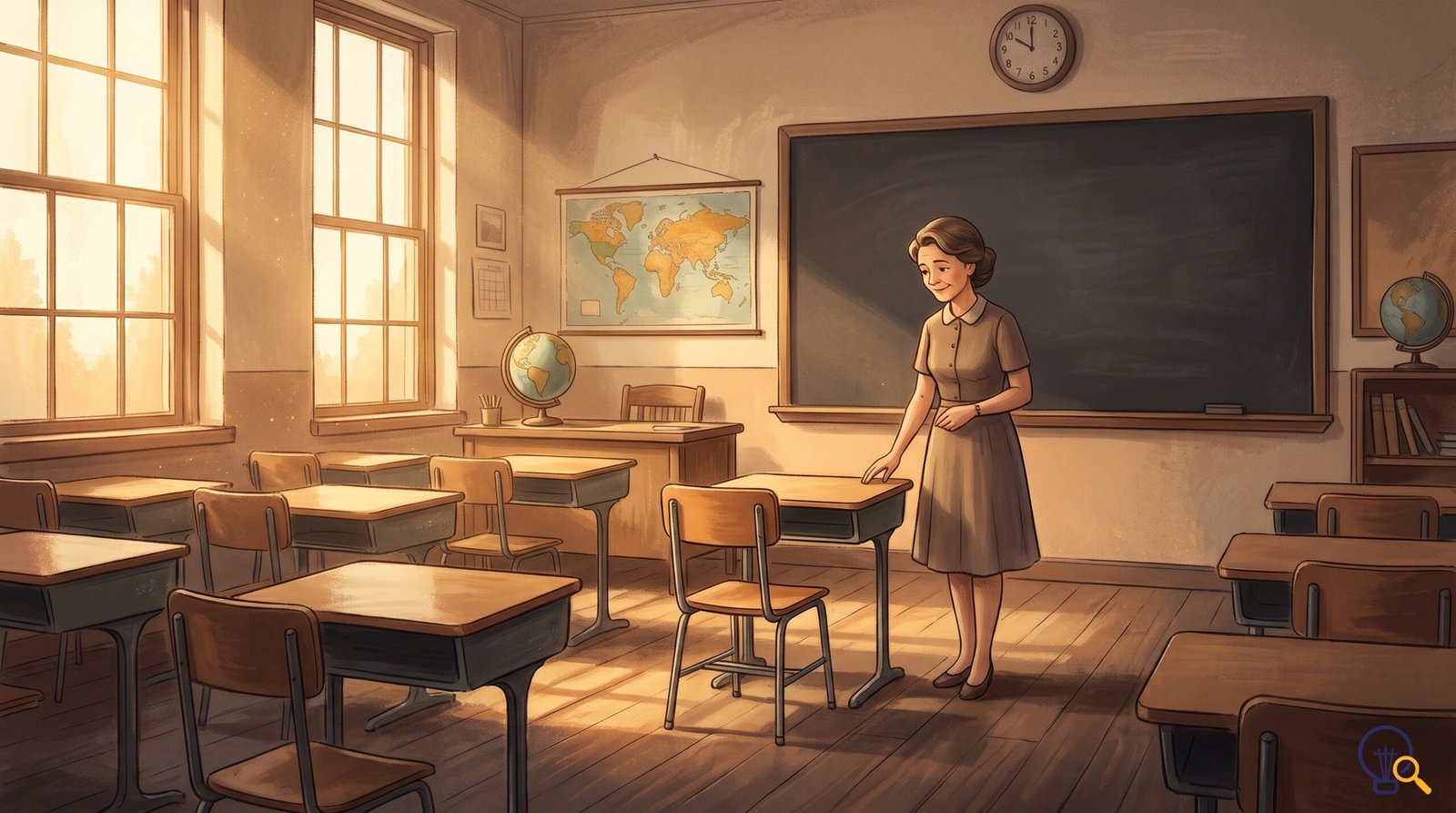
For the rest of first grade, Ruby was a class of one. She could not play at recess or eat in the cafeteria, and a marshal even went with her to the bathroom. She spent much of her free time inside with her teacher.
Even so, she did not miss a single day. Every morning she walked back in.
By second grade, things looked very different. The school was fully integrated, the daily protests had stopped, and Ruby was in class with other children.
She did not get through that first year alone, though. Several people made a real difference.
Barbara Henry, the Teacher Who Stood by Her
Barbara Henry was a white teacher from Boston, and she was the only one willing to teach Ruby. She taught Ruby one-on-one all year and treated that tiny class like a full classroom.
Henry also pushed back when the principal kept Ruby separated from white students who had returned. She said she would report the principal to the superintendent if Ruby was not allowed to mix with the others. The principal gave way near the end of the year.
Ruby and Henry stayed in touch for years. Ruby has said that Henry showed her heart, even though she looked like the people shouting outside.
Dr. Robert Coles and the Child Psychiatry Support
Robert Coles, a child psychiatrist, volunteered to counsel Ruby. He visited her home once a week during that first year to check on how she was coping.
In 1995, he wrote The Story of Ruby Bridges so children could learn about her. He donated the royalties to the Ruby Bridges Foundation, and the money helped New Orleans schoolchildren in need.
The neat dresses and shoes Ruby wore in those famous photos were sent by a relative of Coles. Her family could not have afforded them, and Ruby only learned this as an adult.
Norman Rockwell’s “The Problem We All Live With”
Ruby’s walk inspired one of the best-known American paintings of the 20th century. Norman Rockwell’s The Problem We All Live With appeared in Look magazine on January 14, 1964.
According to the Norman Rockwell Museum and the Kennedy Center’s teaching materials, the painting is set at Ruby’s eye level, so you see the scene the way a child would. Four marshals surround her, but their heads are cropped out of the frame, which makes them feel like symbols of federal authority rather than individuals. Behind them, a wall is marked with a racial slur and the splatter of a thrown tomato. Those details put the hostility on display without showing the crowd.
Reaction to the painting was mixed. Some readers praised Rockwell’s courage, and others criticized him sharply. For Rockwell, it marked a turn toward more socially conscious subjects.
Ruby has said she appreciated that Rockwell took a stand. In 2011, she saw the painting in person at the White House, where it hung just outside the Oval Office from June to October. On July 15, 2011, she met President Barack Obama there. Looking at the painting together, he told her that if it hadn’t been for her generation, he might not be standing in that room.
What Her Family Sacrificed
Among the hardest facts about Ruby Bridges to read is what her decision cost her family. The backlash came quickly, and it hit the people she loved.
- Her father lost his job.
- Her mother lost work as well.
- A local grocery store stopped letting the family shop there.
- Her grandparents were forced off the Mississippi land they farmed.
- Her parents eventually separated.
Support did arrive, though. People, both Black and white, helped in practical ways. Some babysat. Some watched the house. A neighbor found Ruby’s father a new job. Strangers mailed money to help the family get by, and some people even walked behind the marshals’ car on the way to school as a quiet show of protection.
Ruby’s father, Abon, died in 1978. Her mother, Lucille, who called the move a step forward for all Black children, died on November 10, 2020, at age 86. New Orleans’ mayor called her one of the mothers of the civil rights movement in the city.
Ruby Bridges as an Adult
One of the more surprising facts about Ruby Bridges is how much of her adult life she has spent protecting the school where she was once the only Black student. Her story did not end when the cameras left.
Career and Civil Rights Activism
After graduating from a desegregated high school, Ruby worked as a travel agent for about 15 years. She married Malcolm Hall in 1984, and they have four sons.
Her public profile rose again after Coles’s book came out in 1995 and the film about her followed in 1998. She served as a consultant on that film.
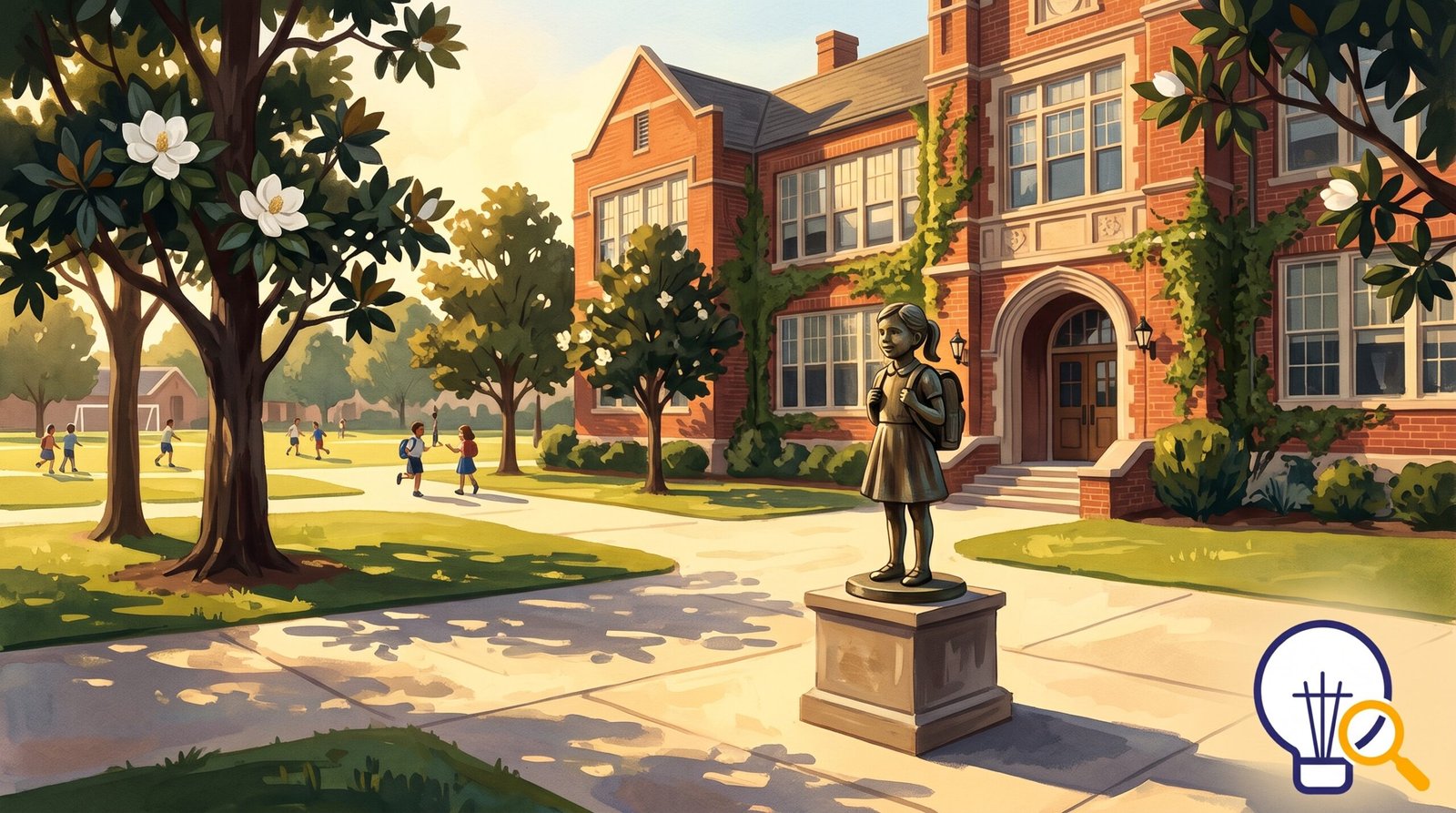
In 2005, Hurricane Katrina flooded her home and badly damaged William Frantz Elementary. When the school was threatened with demolition, Ruby stepped in. She helped get it placed on the National Register of Historic Places, which protected it. The school was restored, and a statue of Ruby now stands in the courtyard. It was unveiled in 2014 at the school, which is now Akili Academy.
The Ruby Bridges Foundation
In 1999, Ruby founded the Ruby Bridges Foundation to promote tolerance, respect, and appreciation of differences. Her message is direct. She calls racism a grown-up disease and says adults must stop using children to spread it.
She continues to speak at schools and events and to write books for young readers. In a 2021 interview with The Guardian, she said, “All of us are standing on someone else’s shoulders.”
Ruby Bridges Timeline
| Year | Event |
| 1954 | Brown v. Board of Education is decided; Ruby is born in September |
| 1960 | Ruby integrates William Frantz Elementary on November 14 |
| 1964 | Norman Rockwell’s painting appears in Look magazine |
| 1995 | Robert Coles publishes The Story of Ruby Bridges |
| 1998 | TV movie Ruby Bridges airs |
| 1999 | Ruby founds the Ruby Bridges Foundation |
| 2000 | Named an Honorary Deputy U.S. Marshal |
| 2001 | Receives the Presidential Citizens Medal |
| 2005 | Hurricane Katrina damages her home and the school |
| 2011 | Meets President Obama at the White House |
| 2024 | Inducted into the National Women’s Hall of Fame |
Awards and Honors
Over the years, Ruby has received recognition from presidents, universities, and national organizations.
| Year | Honor |
| 1995 | Honorary degree, Connecticut College |
| 2000 | Carter G. Woodson Book Award for Through My Eyes |
| 2000 | Honorary Deputy U.S. Marshal |
| 2001 | Presidential Citizens Medal, awarded by President Bill Clinton |
| 2006 | “Hero Against Racism,” Anti-Defamation League |
| 2012 | Honorary degree, Tulane University |
| 2016 | John Steinbeck Award |
| 2023 | Robert Coles Call of Service Award, Harvard University |
| 2024 | National Women’s Hall of Fame |
Her name has also been given to public places. Elementary schools in Alameda, California, and Woodinville, Washington, are named after her. A street in Esch-sur-Alzette, Luxembourg, carries her name too.
Books, Films, and Other Works About Ruby Bridges

If you want more than a summary, several works share facts about Ruby Bridges in her own voice or through people who knew her.
Books by Ruby Bridges
- Through My Eyes (1999)
- Ruby Bridges Goes to School: My True Story (2009)
- This Is Your Time (2020)
- I Am Ruby Bridges (2022), illustrated by Nikkolas Smith
- Dear Ruby, Hear Our Hearts (2024)
Other works about her
- The Story of Ruby Bridges by Robert Coles (1995)
- The 1998 TV movie Ruby Bridges, with Chaz Monet as young Ruby
- The song “Ruby’s Shoes” by Lori McKenna
- The Power of Children: Making a Difference, a permanent exhibit at The Children’s Museum of Indianapolis with a re-creation of her first-grade classroom
If you are deciding where to start, here is a simple comparison:
| Book | Best For | Perspective |
| The Story of Ruby Bridges | Younger readers | Told by Robert Coles, her psychiatrist |
| Through My Eyes | Older kids and teens | Told in Ruby’s own words |
Common Myths and Misconceptions About Ruby Bridges
Some facts about Ruby Bridges get twisted as they are retold. Here are the most common mix-ups.
Myth: She integrated New Orleans schools alone.
Not quite. Three other girls integrated McDonogh No. 19 on the same day. Ruby was alone at William Frantz, which is why her story is often told as a solo walk.
Myth: She was the only child in the whole building all year.
Accounts differ on how many white children were in the building after the first week. What every source agrees on is that Ruby was alone in her classroom for the whole year.
Myth: Her story is just history.
She is alive, and she still speaks and writes about it.
Myth: Her teacher was Black.
Barbara Henry was white. That is part of what made her choice to stay so meaningful.
Myth: Her story ended once the school integrated.
Her work continued for decades through her foundation, her books, and her fight to save her old school.
Why These Facts About Ruby Bridges Still Matter Today
Her story shows how real change usually happens. A child, a mother, a teacher, a psychiatrist, a few marshals, and a handful of neighbors each did something hard. Together, they paved the way for the children who came after.
It also corrects a common assumption. Court rulings alone did not end segregation. Brown v. Board came in 1954, yet Ruby walked into school six years later, and the civil rights movement kept fighting long after that.
Ruby is not the only young person in this history. Here is how three groups compare:
| Group | Age | Year | School |
| Ruby Bridges | 6 | 1960 | William Frantz Elementary, New Orleans |
| McDonogh Three | 6 | 1960 | McDonogh No. 19 Elementary, New Orleans |
| Little Rock Nine | Teenagers | 1957 | A high school in Little Rock, Arkansas |
Seeing them together shows that school desegregation was carried out by children, often at great personal cost.
How to Teach Ruby Bridges’ Story to Kids
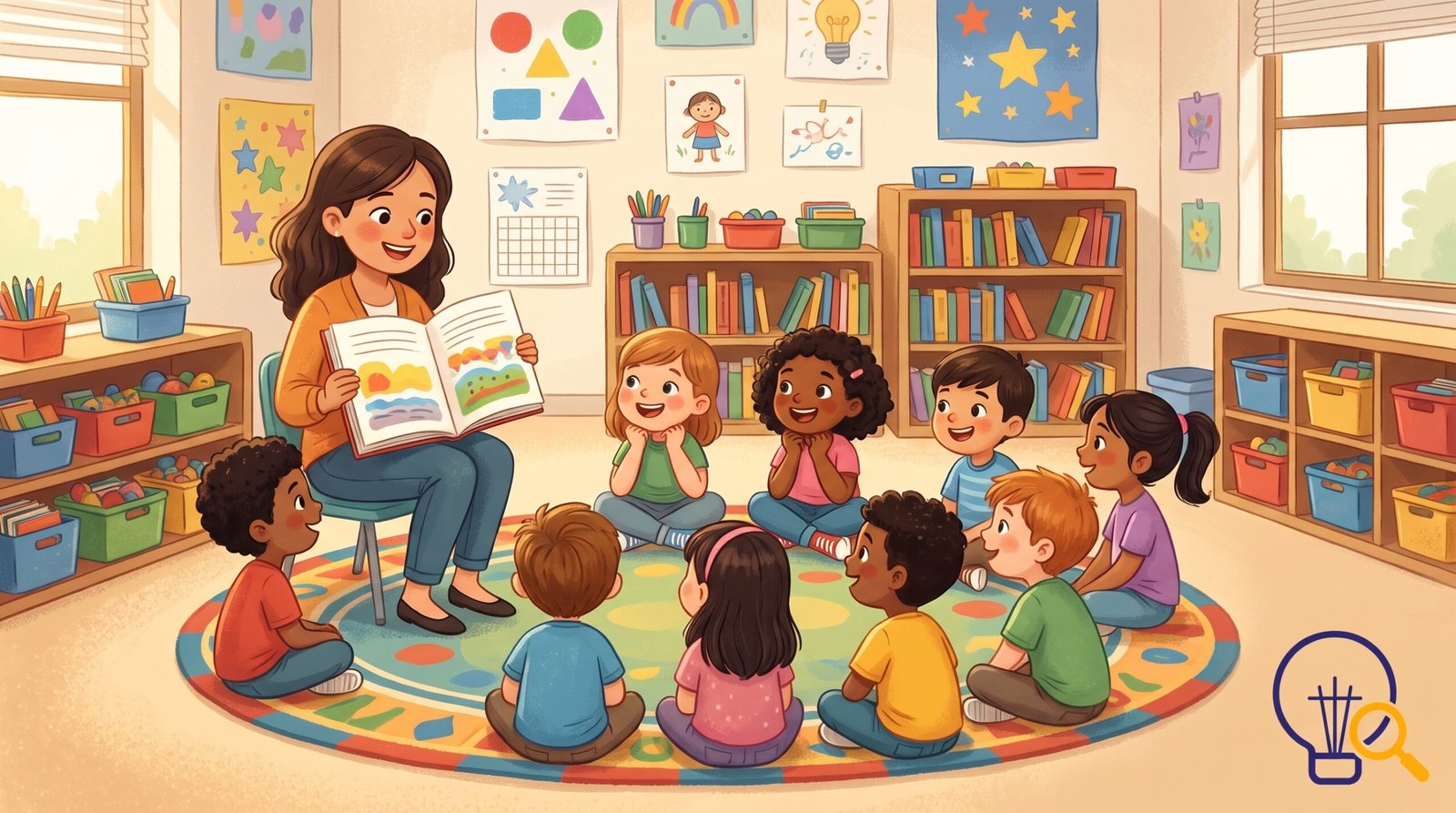
When you share facts about Ruby Bridges with children, start with courage, kindness, and fairness. This is a popular lesson during Black History Month and Women’s History Month. These tips can help:
- Define segregation simply. Say it meant people were kept apart because of skin color, and that this was unfair.
- Match the depth to the age. Younger kids can focus on the first-day story. Older students can handle the legal history, the entrance exam, and the threats.
- Be honest but gentle. You do not need every frightening detail for young children.
- End on action. Ask what they can do to make their own classroom kinder.
Discussion Questions for the Classroom
- Why do you think Ruby’s parents agreed to let her go?
- How would you feel walking into that crowd?
- What did Barbara Henry do that took courage?
- Why do you think Norman Rockwell painted the scene at Ruby’s eye level?
- What can kids do today to help make their school fair and welcoming?
Age-Appropriate Books and Resources
Books by age
- Ages 5 to 8: The Story of Ruby Bridges and I Am Ruby Bridges
- Ages 8 and up: Through My Eyes and Ruby Bridges Goes to School
- Older readers: This Is Your Time
Primary sources
- The 1960 photograph of Ruby with the marshals
- Rockwell’s The Problem We All Live With
When you show students the photo and the painting, ask what they notice first. Who is in the frame? What is missing?
Teacher resources
- Scholastic’s free Ruby Bridges activity guide
- The National Women’s History Museum biography and primary-source questions
- The Library of Congress primary-source analysis tools
Final Thoughts on Ruby Bridges’ Legacy
Ruby Bridges went to school. That ordinary act, repeated every day for a year under guard, changed what American classrooms looked like. Her calm, steady courage turned a first-grade year into a turning point in American Black history.
If you remember only a few facts about Ruby Bridges, remember these: she was six, she never missed a day, and the people around her helped her carry the weight. Her foundation and her books carry that work forward.
The next time you see the 1960 photo of a small girl between four marshals, you will know who stood behind her.
Frequently Asked Questions
How old was Ruby Bridges when she integrated her school?
Ruby was six years old and in first grade when she walked into William Frantz Elementary School on November 14, 1960. She was born in September 1954.
How old is Ruby Bridges now?
Ruby turned 72 on September 8, 2026.
Is Ruby Bridges still alive?
Yes. She still speaks publicly and writes, and she received the Robert Coles Call of Service Award in 2023 and a National Women’s Hall of Fame induction in 2024.
Where is Ruby Bridges today?
She is active as a speaker, author, and leader of the Ruby Bridges Foundation. She grew up in New Orleans and has long been tied to that city and to the school she helped save.
Did Ruby Bridges attend school alone?
She was the only student in her classroom for first grade, because white families boycotted at first. But she was not the only Black child integrating New Orleans schools that fall. Three girls entered McDonogh No. 19 Elementary on the same day.
What did Ruby Bridges fight for?
She fought for equal education and the end of racial segregation. Later she fought against racism through her foundation, books, and public speaking.
Did Ruby Bridges ever go to college?
Ruby graduated from a desegregated high school and became a travel agent. No college degree is documented, but she holds honorary degrees from Connecticut College (1995) and Tulane University (2012).
How many siblings does Ruby Bridges have?
Reports vary. New Orleans’ mayor said Lucille Bridges had five children, which gives Ruby four siblings. Ruby herself has described being the oldest of eight.
What are 5 facts about Ruby Bridges?
- She was six when she integrated William Frantz Elementary on November 14, 1960.
- Federal marshals escorted her to school.
- She was the only student in her class for the whole year.
- She never missed a day of school.
- Norman Rockwell painted her walk in The Problem We All Live With.
Is Ruby Bridges’ mom still alive?
No. Lucille Bridges died on November 10, 2020, at age 86.
