
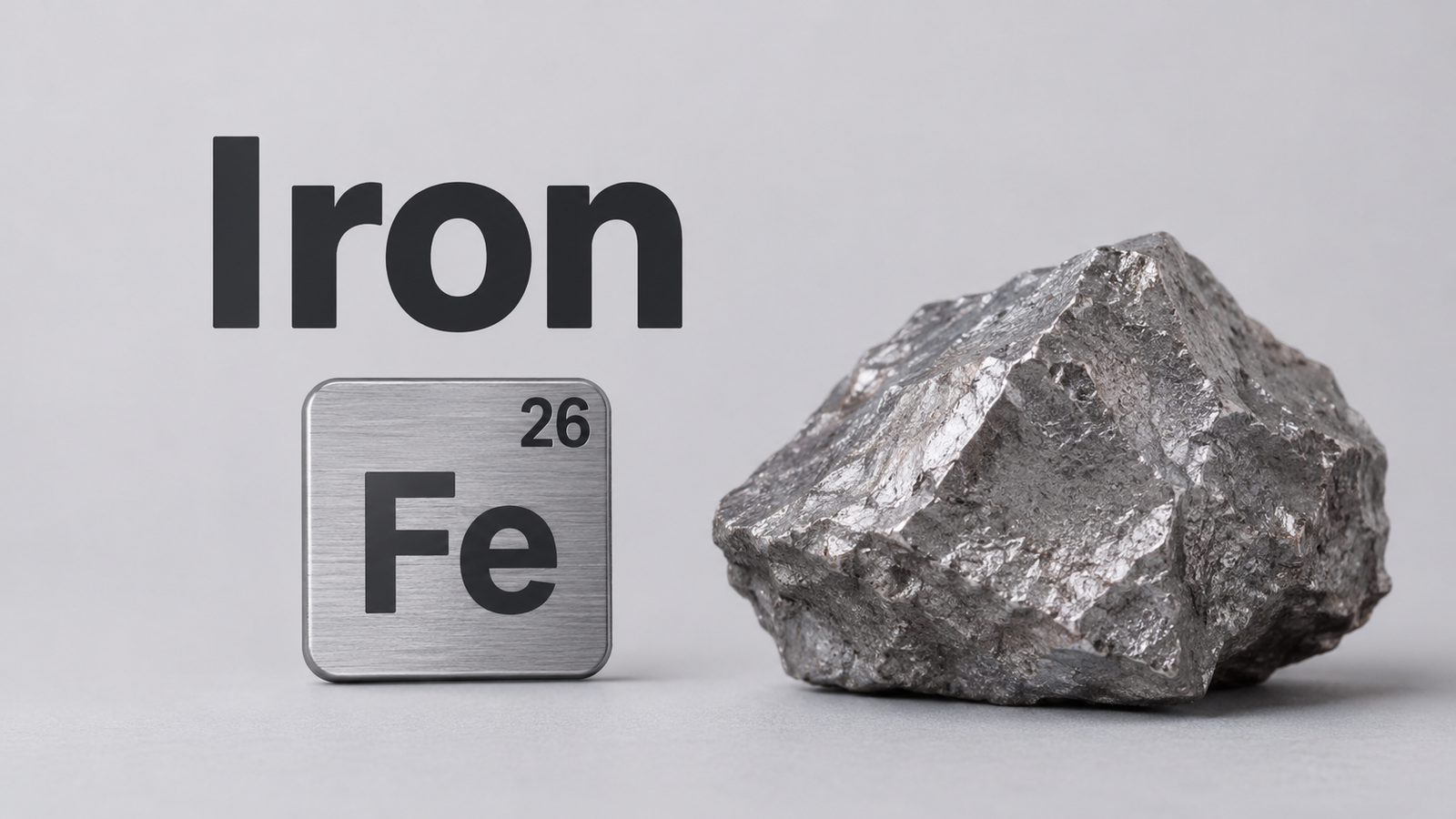

Iron is one of the most remarkable elements on Earth. You can find it in buildings, vehicles, household products, and even inside your body. This versatile metal has shaped human civilization through its use in tools, machinery, and modern construction.
However, its importance goes far beyond industrial applications. Your body also needs iron to produce healthy red blood cells, support muscle function, and transport oxygen.
From its origins in ancient stars to its presence in everyday foods, there is plenty to discover. These 50 interesting facts about iron explore its chemistry, history, surprising scientific discoveries, and nutritional importance.
Quick Facts About Iron
| Property | Details |
| Chemical symbol | Fe |
| Atomic number | 26 |
| Relative atomic mass | 55.845 |
| Group | 8 |
| Period | 4 |
| Element category | Transition metal |
| Melting point | 1,538°C |
| Boiling point | 2,861°C |
| Density | 7.87 g/cm³ |
| Common oxidation states | +2 and +3 |
| Important iron ores | Hematite and magnetite |
| Main industrial use | Steel production |
Basic Properties and Characteristics
Before exploring its history and uses, let’s look at some fascinating properties that make this element scientifically important.
Its Chemical Symbol Is Fe
The chemical symbol for iron is Fe, which comes from the Latin word ferrum. This is why its symbol looks different from its English name. The same Latin root also appears in words such as ferrous and ferric, which describe different chemical forms of the element.
Its Atomic Number Is 26
Iron has an atomic number of 26, meaning each atom contains 26 protons. Its most common isotope, iron-56, also contains 30 neutrons. This arrangement gives scientists useful information about its atomic structure and chemical behaviour.
It Belongs to the Transition Metals
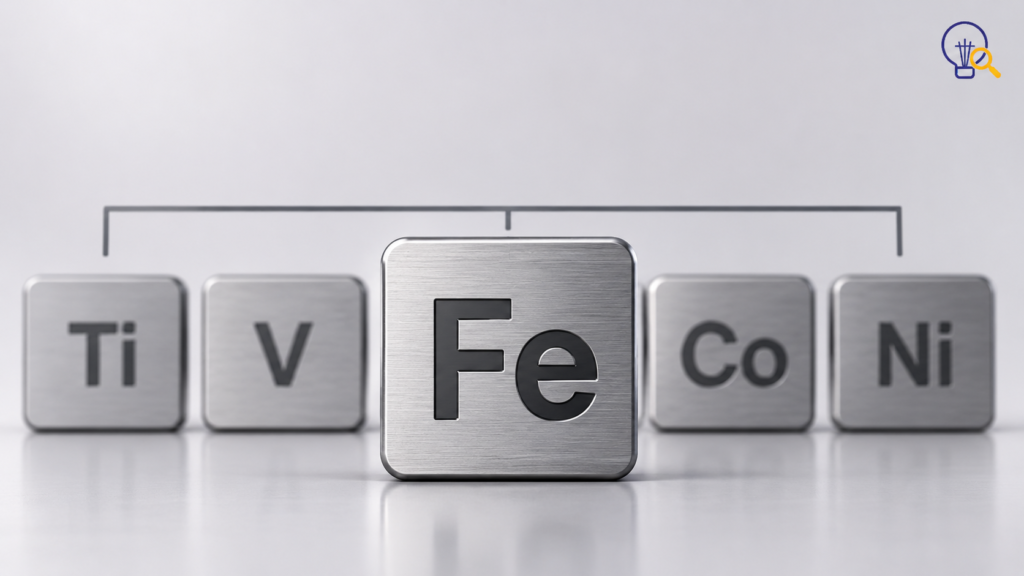
Iron belongs to Group 8 of the periodic table and is classified as a transition metal. These elements often form colourful compounds and can exist in different oxidation states. Iron commonly appears in the +2 and +3 states, which are important in both chemistry and biology.
Pure Iron Has a Silvery-Grey Appearance
Freshly cut, pure iron has a shiny, silvery-grey surface. Its appearance can change when exposed to air and moisture, so everyday iron objects often look darker or reddish-brown because of surface corrosion.
It Has a Remarkably High Melting Point
Iron melts at approximately 1,538°C (2,800°F). This high melting point makes it suitable for many industrial processes involving extreme temperatures. Its boiling point is approximately 2,861°C, so transforming it into a gas requires even more heat.
History and Ancient Discoveries
This metal has played an important role in human development. Its use changed how ancient communities produced tools, developed agriculture, and built civilizations.
Humans Have Used It for Thousands of Years
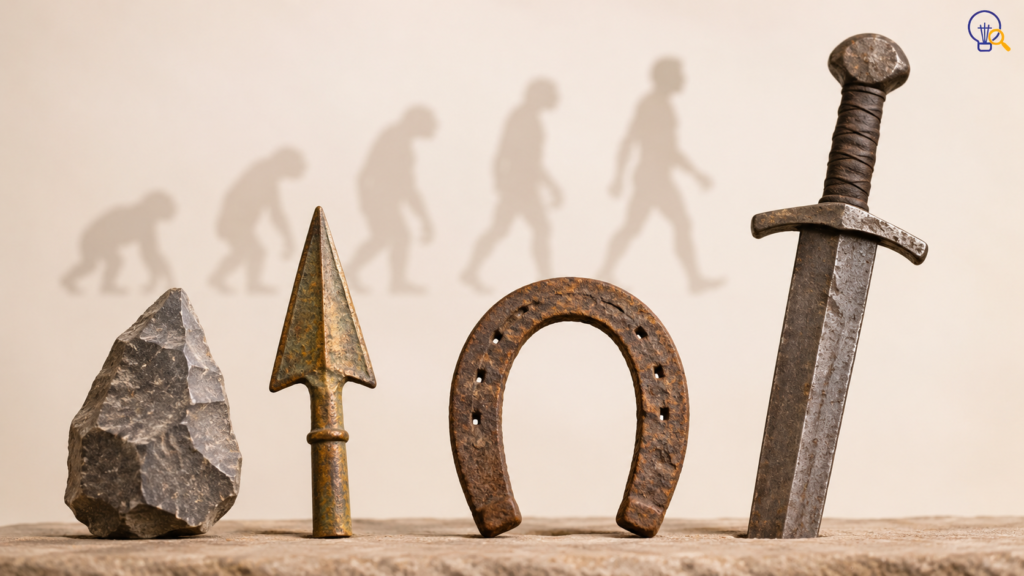
People have worked with iron for thousands of years, although early examples were relatively rare. Ancient communities gradually learned how to extract it from minerals and shape it into useful objects. As production methods improved, it became more widely available.
Some Ancient Objects Came From Meteorites
Before iron smelting became widespread, certain ancient communities obtained metallic iron from meteorites. These space rocks naturally contain iron mixed with nickel. One famous example is the iron dagger found in the tomb of Egyptian pharaoh Tutankhamun. Scientific analysis of its composition supports its meteoritic origin.
It Helped Define the Iron Age
The Iron Age was a major period in human history when iron tools and weapons became increasingly common. This transition helped communities improve farming, construction, and manufacturing. The timing varied between regions, so the Iron Age did not begin everywhere at once.
It Changed Ancient Farming
Iron tools made several agricultural tasks easier and more efficient. Stronger ploughs, sickles, and cutting tools helped farmers prepare land and harvest crops. These improvements contributed to agricultural development in different ancient societies.
Ancient Furnaces Needed Special Conditions
Early metalworkers used furnaces and charcoal to extract iron from ore. They needed sufficient heat and a reducing environment to remove oxygen from iron compounds. The resulting metal was often a spongy material that required repeated heating and hammering to improve its quality.
Where It Is Found in Nature
Iron is widely distributed throughout the planet. It exists in minerals, rocks, soil, and deep beneath Earth’s surface.
Earth’s Core Contains Enormous Amounts of Iron
Iron is a major component of Earth’s core, which is mainly composed of iron and nickel. The outer core is liquid, while the inner core is solid because of the immense pressure at Earth’s centre. Scientists study these layers to understand how our planet developed.
It Is Extracted From Iron Ore
Most naturally occurring iron is combined with oxygen and other elements rather than existing as pure metal. Mining companies extract iron-bearing rocks and process them to produce usable material. Hematite and magnetite are two of the most important commercial iron ores.
Hematite Gives Some Rocks a Red Colour
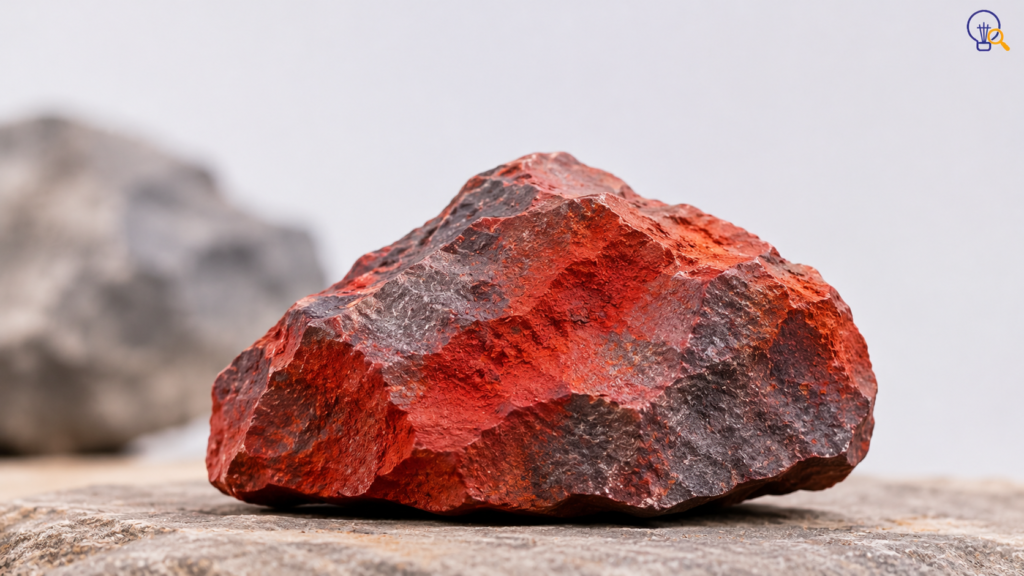
Hematite has the chemical formula Fe₂O₃ and often appears reddish or reddish-brown. Its colour comes from its iron oxide composition. This mineral is an important source of raw material for the steel industry.
Magnetite Is Naturally Magnetic
Magnetite has the chemical formula Fe₃O₄ and is one of the most magnetic naturally occurring minerals. Ancient people noticed that pieces of this mineral could attract certain metal objects. Its magnetic properties have also made it useful in geological research.
It Helps Give Some Soils Their Colour
Iron compounds contribute to the colours of many soils around the world. Different iron oxides can create red, yellow, orange, and brown shades. The colour of soil can sometimes provide clues about its mineral composition and environmental conditions.
Everyday Uses and Industrial Importance

Modern society depends heavily on iron-based materials. Their strength, availability, and versatility make them useful in construction, transportation, and manufacturing.
It Is the Main Ingredient in Steel
Steel is primarily made from iron combined with a controlled amount of carbon. Manufacturers may also add other elements to change its strength, hardness, or resistance to corrosion. Different steel grades are designed for different industrial purposes.
It Supports Modern Buildings and Bridges
Steel beams and reinforced concrete help support large buildings, bridges, and other structures. Steel provides tensile strength, allowing construction materials to withstand significant pulling forces. Without iron-based materials, many modern engineering projects would be much more difficult.
It Is Important in Transportation
Cars, trains, ships, and heavy machinery contain many steel components. Railway tracks, for example, use specially manufactured steel to withstand repeated pressure from passing trains. Iron-based alloys also help manufacturers produce durable vehicle frames and mechanical parts.
It Can Be Recycled Into New Products
Iron and steel can be recycled and used to manufacture new products. Recycling scrap metal reduces the need for some newly mined raw materials and can save energy compared with producing steel entirely from ore. This makes metal recycling an important part of modern manufacturing.
It Is Found in Everyday Household Products
Many household products contain iron or steel, including refrigerators, washing machines, ovens, shelves, and kitchen equipment. These materials offer strength and durability at a practical cost. Their widespread use shows how closely this element is connected to everyday life.
Its Role in the Human Body
The human body needs iron in relatively small amounts, but its functions are essential. It supports oxygen transport, muscle activity, and several important chemical processes.
It Helps Hemoglobin Carry Oxygen
Iron is a central component of hemoglobin, the protein found in red blood cells. Each hemoglobin molecule contains four heme groups, each with an iron atom that can bind oxygen. This allows blood to transport oxygen from the lungs to different tissues.
It Helps Muscles Store Oxygen
Iron is also present in myoglobin, a protein found in muscle cells. Myoglobin stores oxygen and makes it available when muscles need it. This function is especially important during physical activity.
The Body Stores It in Ferritin
Your body does not use all the iron it receives immediately. Some is stored in a protein called ferritin, mainly in the liver and other tissues. These reserves help maintain an adequate supply when dietary intake changes.
It Helps Cells Produce Energy
Iron supports several processes that allow cells to produce usable energy. It is part of enzymes involved in cellular respiration, helping cells make ATP, the molecule they use to power essential activities.
It Supports Normal Brain Development
Iron contributes to normal brain development and nervous system function. It is involved in processes related to neurotransmitter production and the development of brain cells. Adequate intake is particularly important during childhood and adolescence.
Food Sources and Nutritional Benefits
Your body cannot manufacture iron, so you must obtain it through your diet. Animal and plant foods provide different forms of this mineral.
Red Meat Provides Heme Iron
Beef and other red meats contain heme iron, which the body generally absorbs more efficiently than non-heme iron. Meat also supplies protein, zinc, and vitamin B12. The amount of iron varies according to the type and cut of meat.
Lentils Are a Useful Plant-Based Source
Lentils provide non-heme iron along with protein, fibre, and other nutrients. They are an affordable ingredient that can be added to soups, salads, and everyday meals. Combining them with vitamin C-rich foods can help improve iron absorption.
Spinach Contains Non-Heme Iron
Spinach provides iron, folate, and several other nutrients. However, its iron is non-heme iron, which the body generally absorbs less efficiently than heme iron. Certain plant compounds can also reduce iron absorption. Eating spinach with vitamin C-rich foods can help improve the absorption of non-heme iron.
Fortified Cereals Can Provide Additional Iron
Some breakfast cereals and grain products contain added iron. This process, known as food fortification, increases the amount of a nutrient in a food. Fortified products can help people meet their dietary requirements, although the amount varies between brands.
Vitamin C Helps Improve Iron Absorption
Vitamin C improves the absorption of non-heme iron from plant-based foods. For example, you can combine lentils with tomatoes or enjoy oranges alongside an iron-containing meal. These simple food combinations can make plant-based sources more useful to your body.
Absorption, Deficiency, and Health
Getting enough iron is important, but your body must also regulate how much it absorbs. Both deficiency and excessive intake can create health problems.
A Hormone Controls Iron Absorption
Your body uses a hormone called hepcidin to regulate iron levels. It helps control how much iron enters the bloodstream from the digestive system and how much is released from storage sites. This regulation helps prevent both shortages and excessive accumulation.
Deficiency Can Cause Anemia
When the body does not have enough iron to produce sufficient hemoglobin, iron-deficiency anemia can develop. Common symptoms include tiredness, weakness, dizziness, and difficulty concentrating. Blood tests can help healthcare professionals identify this condition.
Daily Requirements Change With Age
The amount of iron a person needs depends on age, sex, and life stage. Growing children and teenagers have different requirements from adults, while pregnancy increases daily needs. The following table shows recommended dietary allowances published by the US National Institutes of Health.
| Age or life stage | Male | Female | Pregnancy | Lactation |
| 0–6 months | 0.27 mg* | 0.27 mg* | — | — |
| 7–12 months | 11 mg | 11 mg | — | — |
| 1–3 years | 7 mg | 7 mg | — | — |
| 4–8 years | 10 mg | 10 mg | — | — |
| 9–13 years | 8 mg | 8 mg | — | — |
| 14–18 years | 11 mg | 15 mg | 27 mg | 10 mg |
| 19–50 years | 8 mg | 18 mg | 27 mg | 9 mg |
| 51 years and older | 8 mg | 8 mg | — | — |
For infants aged 0–6 months, 0.27 mg is an Adequate Intake (AI), rather than an RDA. These are general US dietary reference values, not individual medical prescriptions.
Menstruation Can Increase Iron Needs
People who menstruate generally need more dietary iron because monthly blood loss can reduce the body’s iron stores. Heavy menstrual bleeding may increase the risk of deficiency. This is one reason dietary requirements differ between adult men and women of reproductive age.
Excessive Intake Can Be Dangerous
Although iron is essential, too much can be harmful. High-dose supplements may cause digestive problems and, in severe cases, poisoning. Certain inherited conditions, such as hereditary hemochromatosis, can also cause excessive iron accumulation in the body.
Surprising Scientific Discoveries
Some of the most fascinating properties of this element appear in unexpected places. From ancient stars to deep oceans, scientists continue to discover how important it is to our planet and the wider universe.
Massive Stars Produce Iron-Group Elements
Massive stars create many elements through nuclear fusion. As these stars evolve, they produce elements in the iron group. When certain massive stars reach the end of their lives, supernova explosions spread these elements and other materials into space.
It Is Strongly Magnetic at Room Temperature
Iron is ferromagnetic, meaning its magnetic domains can align to produce strong magnetism. These domains are tiny regions inside the material where atomic magnetic moments tend to point in similar directions. When many domains align, iron can become strongly magnetized.
It Forms Rust Through a Chemical Reaction
When iron comes into contact with oxygen and water, it gradually corrodes and forms rust. This process is an electrochemical reaction in which iron atoms lose electrons and react through a series of chemical changes. Rust consists mainly of hydrated iron oxides, and it can weaken metal structures over time.
It Can Form Different Chemical Compounds
Iron commonly forms compounds in the +2 and +3 oxidation states. These are known as ferrous and ferric forms. The difference affects how these compounds behave in chemical reactions and influences their solubility and biological activity.
It Has Four Stable Natural Isotopes
Naturally occurring iron contains four stable isotopes: iron-54, iron-56, iron-57, and iron-58. They have the same number of protons but different numbers of neutrons. Iron-56 is the most abundant, making up approximately 91.8% of natural iron.
It Can Influence Ocean Ecosystems
Iron is an essential nutrient for phytoplankton, microscopic organisms that live in the ocean. In some ocean regions, the limited availability of iron restricts their growth. Scientists have studied this relationship to better understand marine ecosystems and the global carbon cycle.
Plants Need It Even Though It Is Not Part of Chlorophyll
Plants require iron to produce chlorophyll and carry out normal photosynthetic functions. Interestingly, iron is not the central atom in chlorophyll; magnesium holds that position. However, a shortage of iron can cause young leaves to become yellow because chlorophyll production is affected.
Its Compounds Help Clean Drinking Water
Certain iron-based compounds are used in water-treatment processes. They can help remove contaminants such as arsenic and phosphate by encouraging them to attach to particles that can then be separated from the water. This makes iron compounds useful in some environmental technologies.
Its Oxides Have Been Used as Natural Pigments
Iron oxides create many of the red, brown, yellow, and orange colours seen in nature. People have used these minerals as pigments for thousands of years, including in cave paintings and traditional artwork. Their lasting colours make them useful in paints and building materials.
It Helps Move Electrons Through Proteins
Iron is found in proteins such as cytochromes and iron-sulfur proteins. These proteins transfer electrons during important biological reactions, including those involved in cellular respiration. This electron movement helps cells maintain the processes needed to function.
It Helps Transformers Transfer Electrical Energy
Many electrical transformers contain iron-based cores. These cores guide the changing magnetic field between the transformer’s coils, allowing electrical energy to move from one circuit to another through electromagnetic induction. This makes iron-based materials useful in power distribution systems.
It Is One of the Most Abundant Elements on Earth
Iron is among the most abundant elements on our planet, particularly in Earth’s interior. It is also widely distributed in rocks and mineral deposits. Its natural availability has helped make it one of the most important materials in human industry.
Stainless Steel Contains Chromium
Stainless steel is an iron-based alloy that contains at least 10.5% chromium by mass. Chromium forms a thin protective oxide layer on the surface, helping the material resist corrosion. Some grades also contain nickel and other elements to improve their properties.
Its Alloys Can Be Stronger Than Pure Iron
Pure iron has useful properties, but combining it with carbon and other elements can create materials with different strengths and hardness levels. Steel is a common example. Manufacturers can adjust its composition and heat treatment to suit demanding applications.
It Helps Generate Earth’s Magnetic Field
The movement of electrically conducting liquid metal in Earth’s outer core helps generate our planet’s magnetic field. This process is called the geodynamo. As molten iron-rich material moves inside the outer core, it produces electrical currents that sustain the magnetic field surrounding Earth.
Frequently Asked Questions About Iron
What are five interesting facts about iron?
Iron has the chemical symbol Fe and atomic number 26. It is a transition metal, is naturally magnetic, and melts at approximately 1,538°C. It also forms the foundation of modern steel production and helps hemoglobin transport oxygen throughout the body.
Why is iron important to the human body?
Iron is needed to produce hemoglobin, which carries oxygen through the bloodstream. It also supports muscle oxygen storage, cellular energy production, and normal brain development.
Which foods are rich in iron?
Beef, seafood, lentils, beans, spinach, nuts, and fortified cereals are examples of foods that provide iron. Animal foods generally contain heme iron, while plant foods provide non-heme iron.
What happens when the body does not get enough iron?
Insufficient iron can lead to iron-deficiency anemia. Symptoms may include fatigue, weakness, dizziness, and difficulty concentrating. A healthcare professional can assess iron levels through appropriate blood tests.
Is iron naturally magnetic?
Yes. Pure iron is ferromagnetic at ordinary room temperature. This means it can be attracted to magnets and can become magnetized.
Why does iron rust?
Rust develops when iron reacts with oxygen in the presence of moisture. The reaction creates hydrated iron oxides, which produce the familiar reddish-brown coating on exposed metal.
How much iron does an adult need daily?
The recommended amount depends on age, sex, and life stage. For example, adult men aged 19–50 generally need 8 mg daily, while women in the same age group need 18 mg. Pregnant adults generally need 27 mg daily.
Can someone consume too much iron?
Yes. Excessive iron intake can be harmful, especially when someone takes high-dose supplements unnecessarily. Certain inherited conditions can also cause iron to accumulate in the body.
Final Thoughts
Iron is much more than a metal used in construction and manufacturing. It has shaped ancient civilizations, supports modern technology, and performs essential functions inside the human body. Its chemical properties make it valuable for producing durable materials, while its nutritional importance helps maintain healthy blood and normal cellular activity.
These 50 facts reveal how one element connects chemistry, geology, astronomy, industry, and human biology. From the centre of Earth to the food on your plate, iron continues to influence the world in remarkable ways.
